
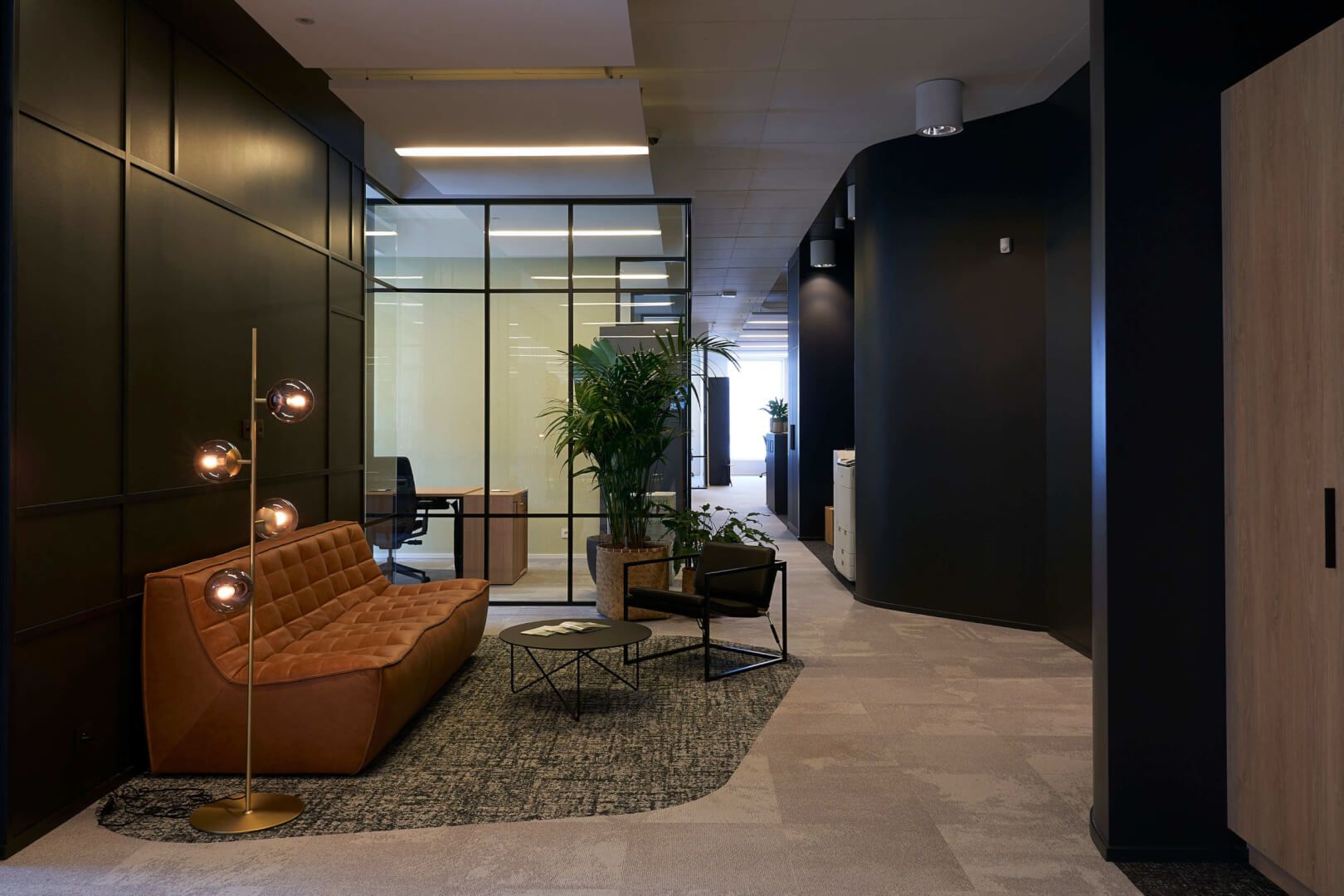
Is your office NWOW-proof? What the new way of working asks of your design
Flexible hours and a clean desk policy are easy to announce and hard to live with if the building works against them. The New Way of Working only delivers when the space supports it. This article sets out the ingredients of NWOW, what activity-based working means in practice, and how to tell whether your office is ready.
What NWOW is, and why it stuck
Flexible working hours, flexible workspaces, the option of working from home and a clean desk policy are all part of the NWOW, the New Way of Working.
Many businesses adopted it because they had to, and then discovered the benefits. NWOW improves the balance between work and home life, increases the sense of autonomy, commitment and job satisfaction, helps to combat stress around that balance, and can support more sustainable ways of working.
The ingredients: technology and flexibility
The New Way of Working is characterised by a large degree of flexibility and the use of new technologies. Digital tools are crucial for collaborating from different locations, keeping material and information accessible, and improving efficiency and safety. That can mean a shared server or a user-friendly intranet, alongside video chat and conferencing tools.
Flexibility does the rest. Because not everyone comes to the office every day, flexible workspaces take the place of fixed desks, and multifunctional meeting rooms become standard in any self-respecting organisation.
Activity-based working in practice
NWOW is closely associated with activity-based working: employees choose between a range of settings, guided by the task in front of them.
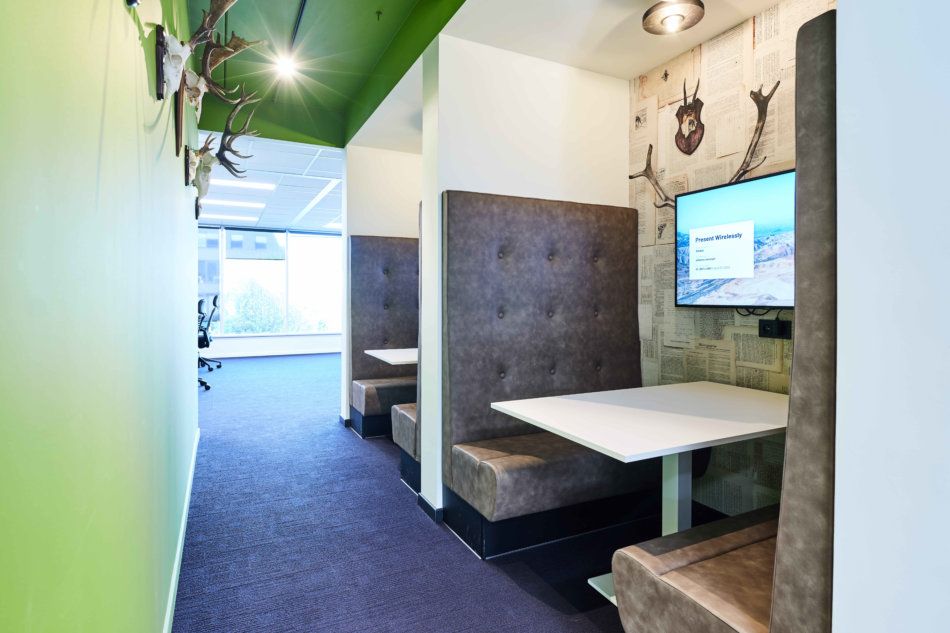
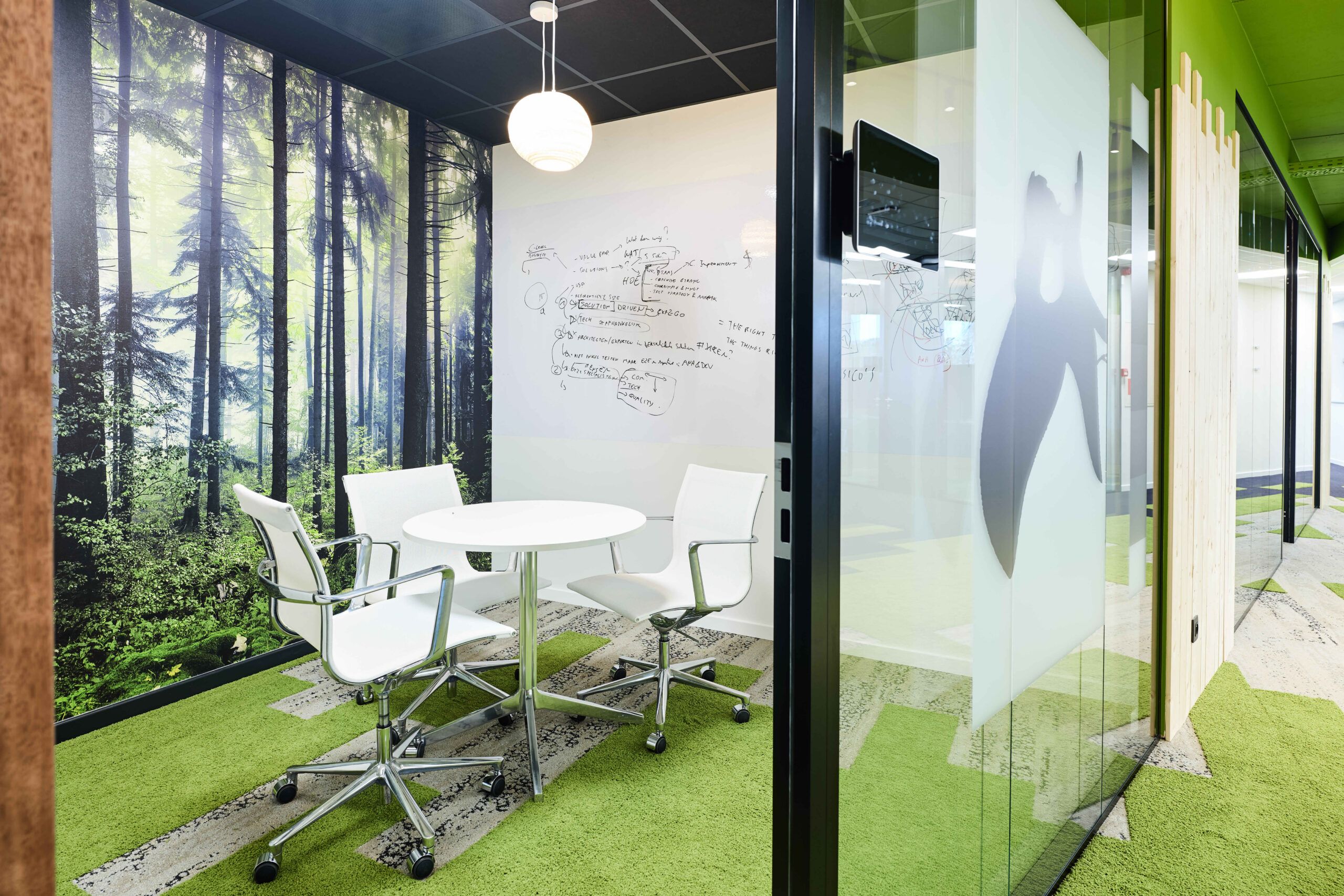
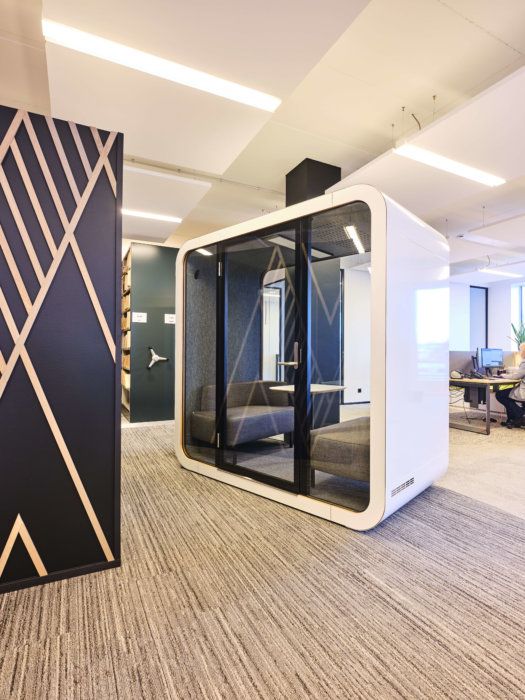
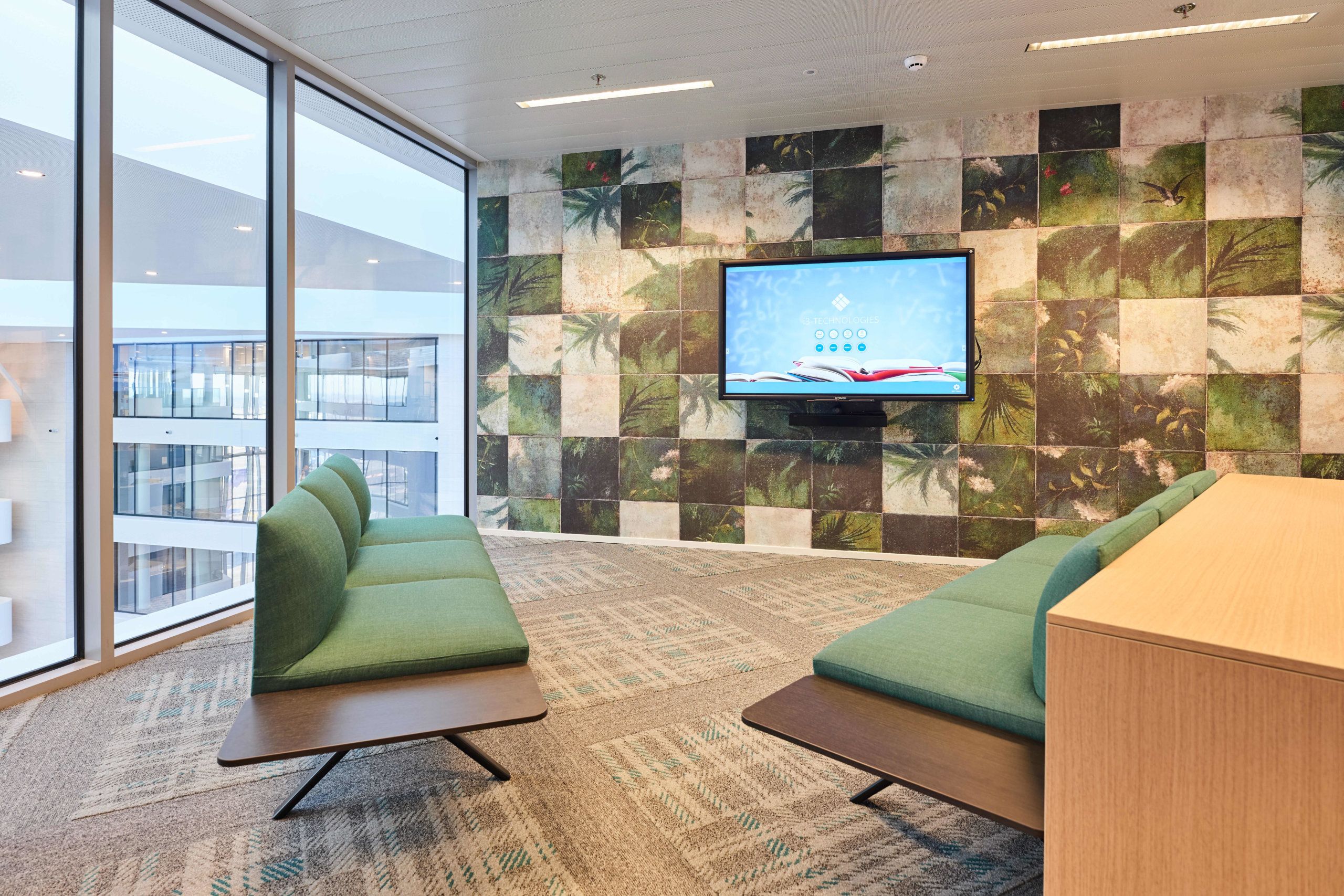
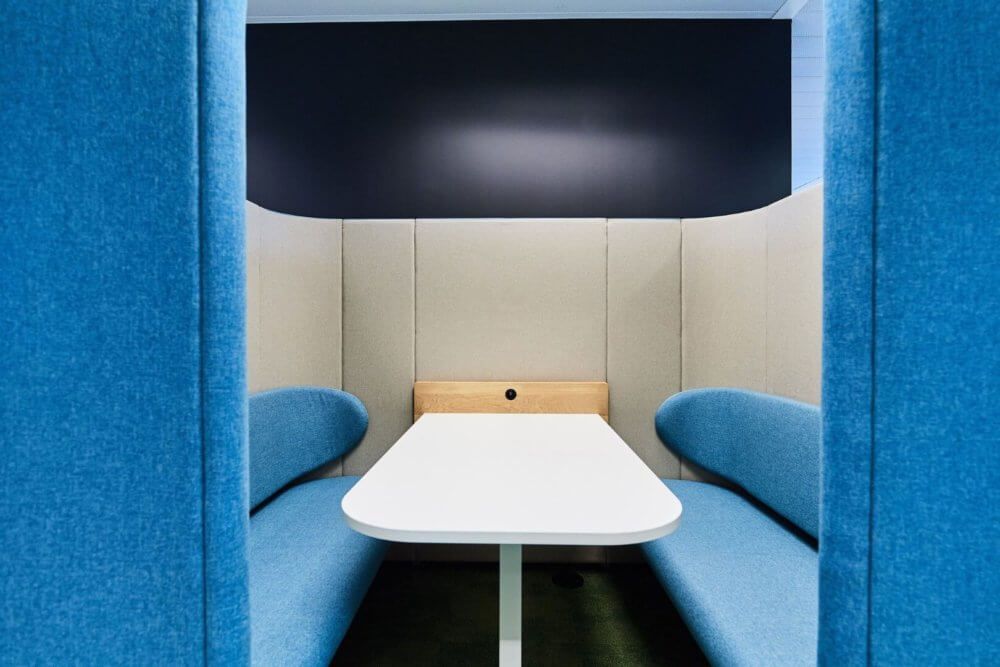
Drafting a difficult email calls for a focus area behind a closed door. A brainstorm with a few colleagues suits an inspiring spot in the seating area. A quick phone call belongs in a phone bubble. A meeting needs a separate room with equipment such as a presentation screen.
The principle is simple, but it only works if every one of those settings actually exists. If there is no phone bubble, the call happens at a desk, and the focus area stops being a focus area.
The space is the driving force
It is the office design that inspires innovation and new insights, encourages productivity, motivates your employees to work together and strengthens loyalty to the organisation. Policy documents cannot do any of that on their own.
So take your time when designing a new office or renovating an existing one. The layout decides whether the rules you write down are followed or worked around.
A checklist: is your office NWOW-proof?
Walk your floor and answer these honestly. Each no points to a setting your people currently have to improvise.
- Is there somewhere to take a call without disturbing anyone?
- Can someone do two hours of concentrated work without wearing headphones?
- Is there enough storage for everyone to clear their desk each evening?
- Can a meeting room handle remote participants properly?
- Is there an informal space for the conversations that are not meetings?
- Do the digital tools let people find files and colleagues from anywhere?
Common reasons NWOW stalls
When the New Way of Working disappoints, the cause is usually structural rather than cultural.
- Fixed desks removed without adding focus rooms or call booths to replace them
- Too little storage, so a clean desk policy turns into daily frustration
- Meeting rooms used as makeshift phone booths, leaving real meetings homeless
- Technology bought without the training that makes it useful
- Management keeping closed offices while everyone else goes flexible
Scroll or drag
Frequently asked questions
A way of organising work around flexible hours, flexible workspaces, working from home and a clean desk policy, supported by digital tools that make collaboration from any location possible.
It means employees choose their setting based on the task: a focus area for concentration, a seating area for brainstorming, a phone bubble for calls and an equipped room for meetings.
Flexible workspaces, multifunctional meeting rooms, focus areas, phone booths, enough storage for a clean desk policy, and reliable digital tools for remote collaboration.
Usually because fixed desks are removed without adding the quiet and call spaces that replace them, or because storage and technology were left out of the plan.
Want to get the most out of the New Way of Working and keep your office future-proof?
Contact Alternativ to talk it through.