
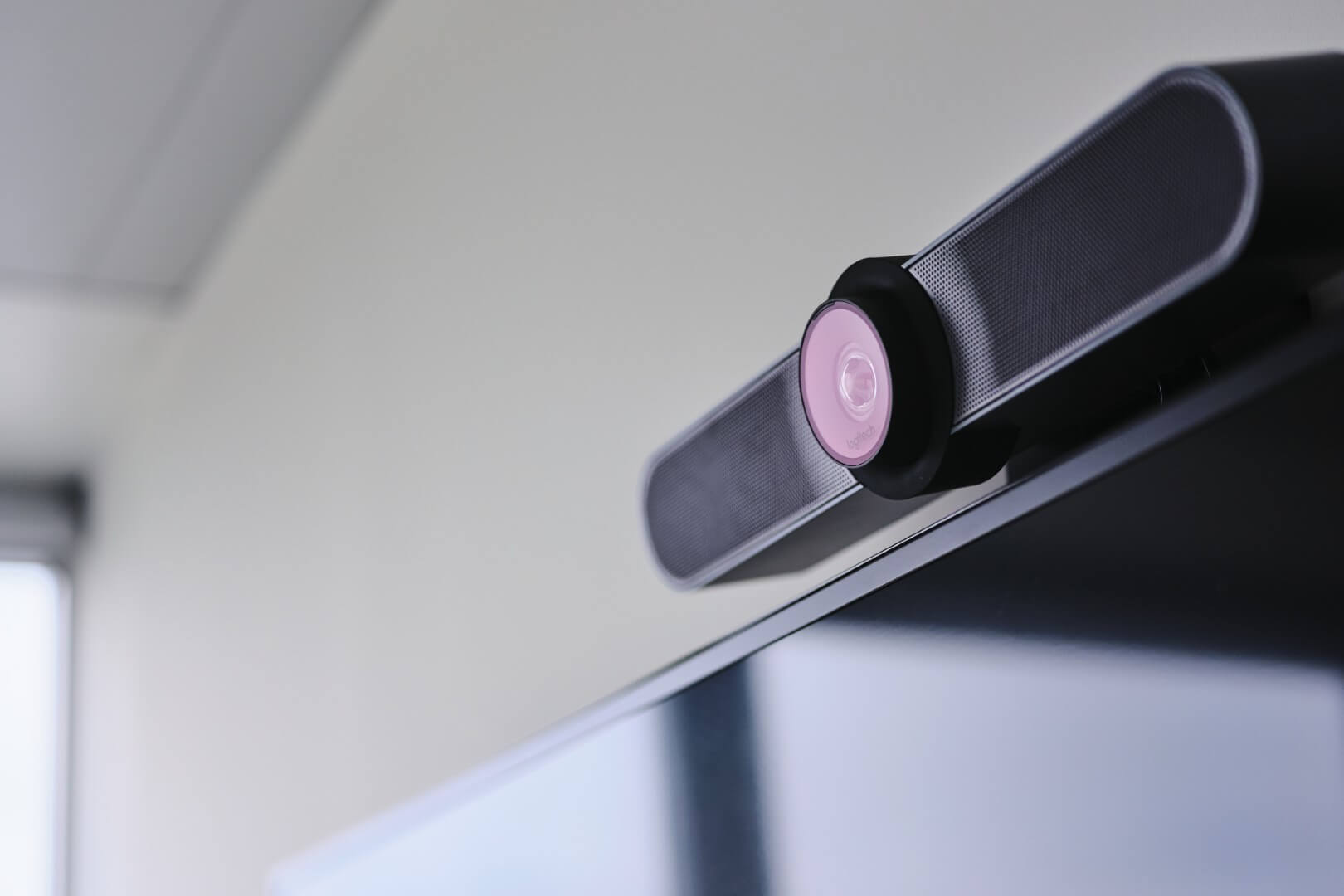
Audiovisual and ICT integration: Alternativ opens a new department
Hybrid meetings fail for unglamorous reasons: a screen in the wrong place, too few sockets, a booking system nobody uses. With the arrival of audiovisual consultant Romeo Mogos, Alternativ is launching a department dedicated to integrating technology into professional workplaces, so those decisions are made before the building work starts.
Why technology now belongs in the fit-out brief
Companies are asking for a better connected work environment than ever before, largely to support the transition to a hybrid model. The new department exists to answer that demand.
Romeo Mogos compares it to a house, where you can never install enough sockets. "You've hit the nail on the head. My work at Alternativ is obviously made more complex by the fact that, in this new department, it will be about integrating all the information and communication technologies (ICT) into professional work spaces."
His central point is about timing. "But one thing is certain, the integration of technology into workplaces and audiovisual solutions must be considered upstream of any development or complete renovation project, before starting on the work, and once the company's needs have been identified, not afterwards!"
One point of contact instead of three suppliers
Not every company has an IT or technology development manager. Often an external consultant is called in and supervised by a steering committee, which spreads responsibility across parties who never meet.
"That's why Alternativ launched this department, which was created to provide specific answers to any request concerning ICT, and to guarantee a single point of contact for the customer, Alternativ's DNA, who will also see to the resolution of audiovisual and technological problems. This department has therefore been added to the furniture and Design and Build offer."
Not a job you can make up as you go along
The health crisis forced companies to react quickly on the balance between virtual and face-to-face work, the hybrid model, the reorganisation of work and the very use of offices.
"In the world of the future, the challenge for companies will be to optimise the performance and quality of life of their employees by exploiting digital technology. However, integrating new information and communication technologies (ICT) into companies is not a job you can make up as you go along. Take it from me!"
The range of ICT integration needs in an office
To identify and respond to what companies need, Romeo has mapped the challenges they face. The list is wide, and most of it has to be settled on the drawing board.
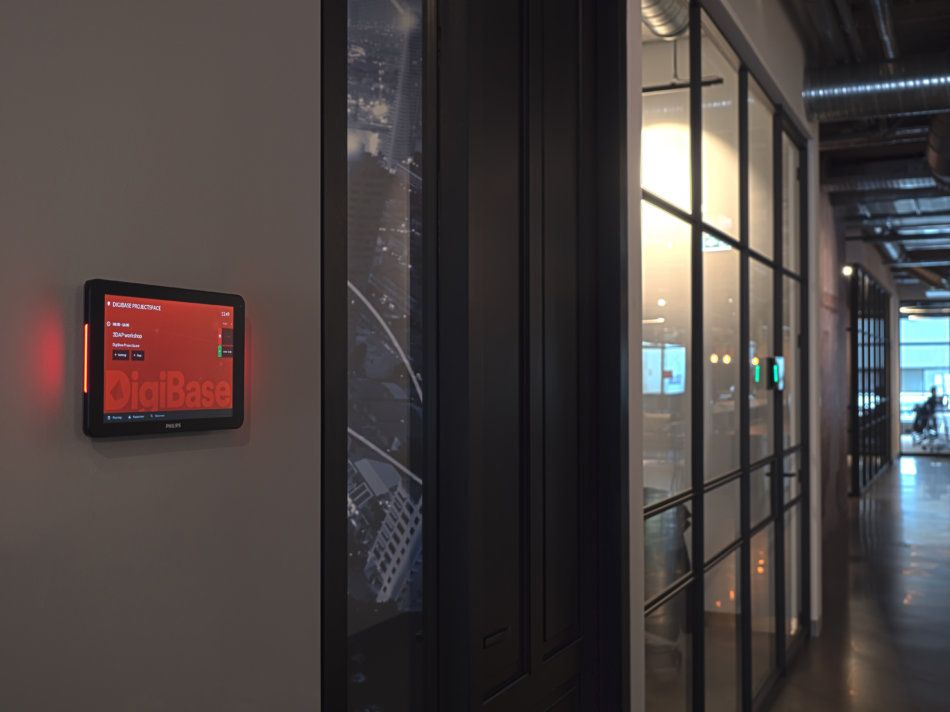
- Smart technology for managing and scheduling meetings
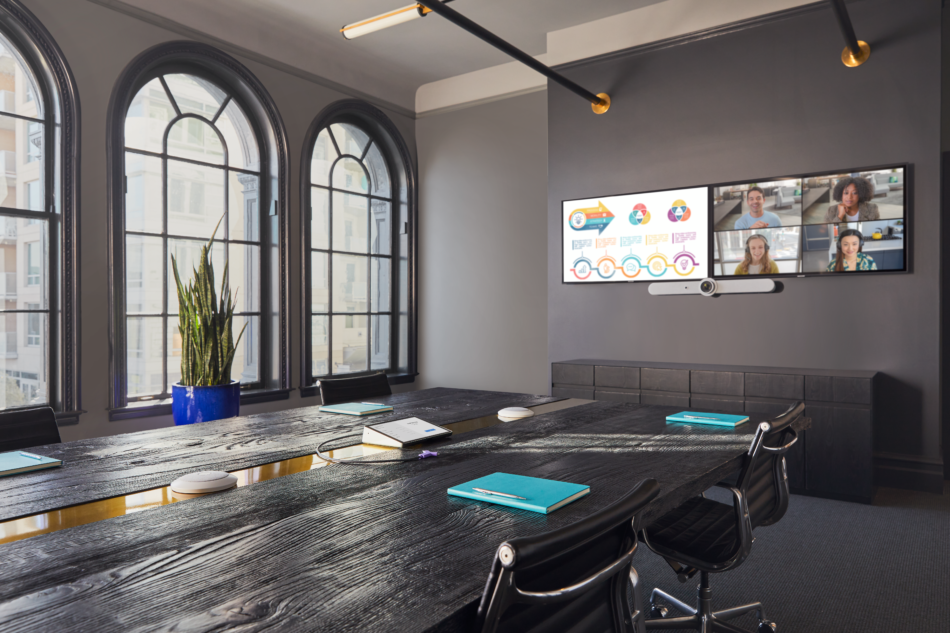
- Steering the company towards a hybrid working model
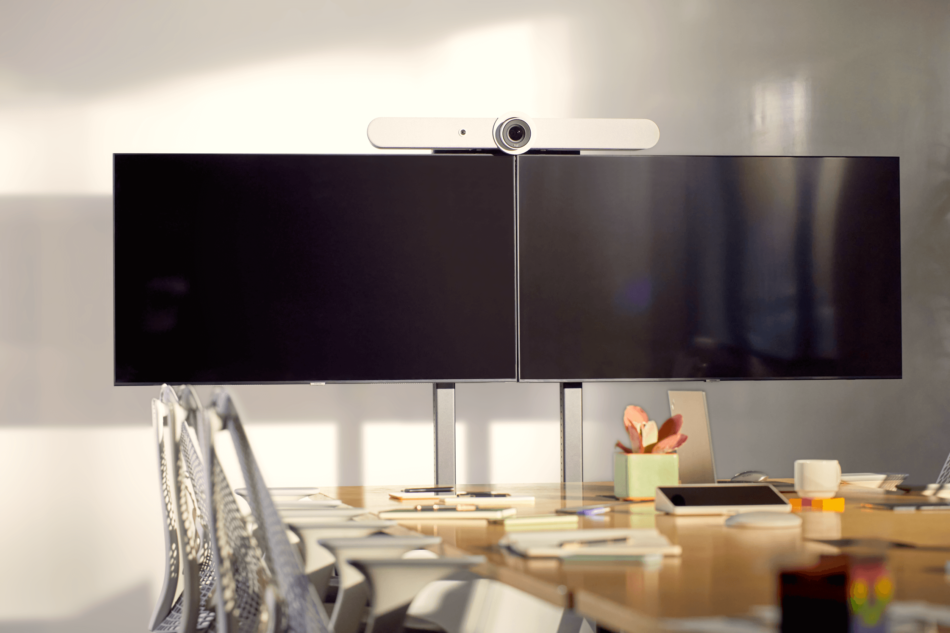
- Fitting interactive screens in collaborative spaces
- Putting enough sockets in the right places
- Responding to the constraints of the working environment
- Managing technological developments and new functionalities in communication tools
Consultancy, installation and after-sales
Romeo's mission is to identify each company's challenges and needs, and then help them choose the audiovisual solutions best suited to their workplace.
The aim is a turnkey service that makes fitting out professional offices simpler: consultancy first, then ideas, solutions and operational installation of ICT in the workplace. The department also provides sales and after-sales service for audiovisual tools, so the responsibility does not end at handover.
How ICT integration is financed: CAPEX or OPEX
"We offer two models: CAPEX, i.e. the option for the company of purchasing technology and audiovisual tools, or, alternatively, OPEX, a more flexible leasing formula geared more towards the service than the product. This includes the renewal, maintenance, updating, upgrading, recycling etc. of information and communication technology tools."
"The OPEX formula is often favoured by companies wanting to benefit from the product-as-a-service business model and its advantages, such as sustainability (lifecycle management of the installation) and the investment spread over time," Romeo concludes.

Scroll or drag
Frequently asked questions
It handles audiovisual and ICT integration in professional workplaces, from consultancy and solution design through to installation, sales and after-sales service.
Before the work starts. According to Romeo Mogos, technology and audiovisual solutions must be considered upstream of any development or renovation project, once the company's needs have been identified.
CAPEX means the company buys the technology and audiovisual tools outright. OPEX is a leasing formula focused on the service, covering renewal, maintenance, updates, upgrades and recycling.
It suits companies that want a product-as-a-service approach, with lifecycle management of the installation and the investment spread over time.
Wondering how audiovisual and ICT integration would work in your own office project?
Talk to Alternativ, or download our catalogue to see the full offer.