
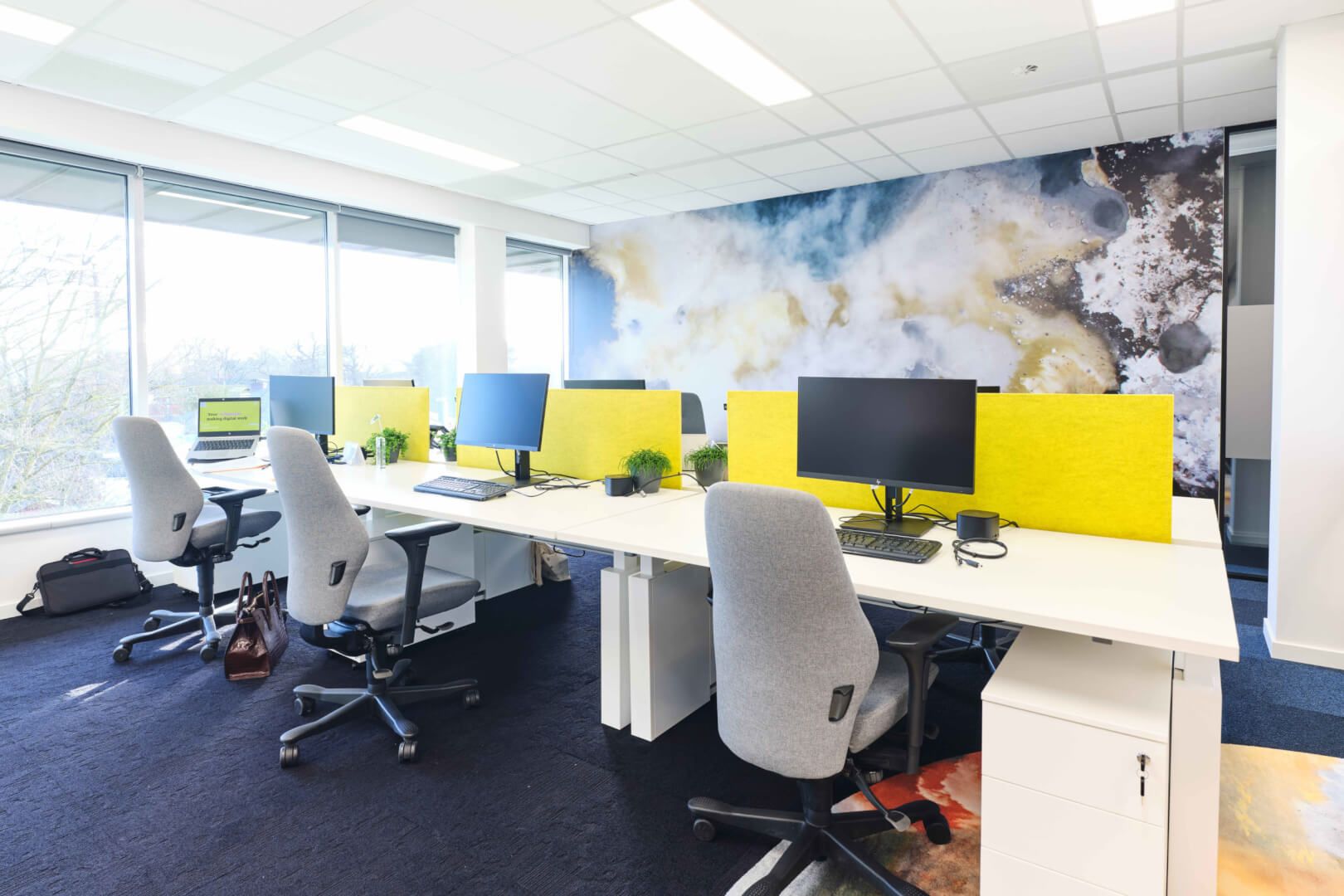
Custom office design: Not a luxury, but a recruitment and retention tool
A dark, unwelcoming office with poor acoustics and nothing inspiring about it does not encourage collaboration, and it certainly does not help you attract talented recruits or keep the people you already have. That is the case for designing your office around your own organisation rather than a template. Here is how to approach it.
Why a standard layout rarely fits
Every business has a different rhythm. Different client flows, different meeting patterns, different amounts of travel, different tolerance for noise. A layout copied from another company reproduces someone else's compromises.
If your business is unique, your office should be too. Custom does not mean expensive or extravagant. It means the plan starts from your activities and your people instead of from a furniture catalogue.
Branding is where customisation becomes visible
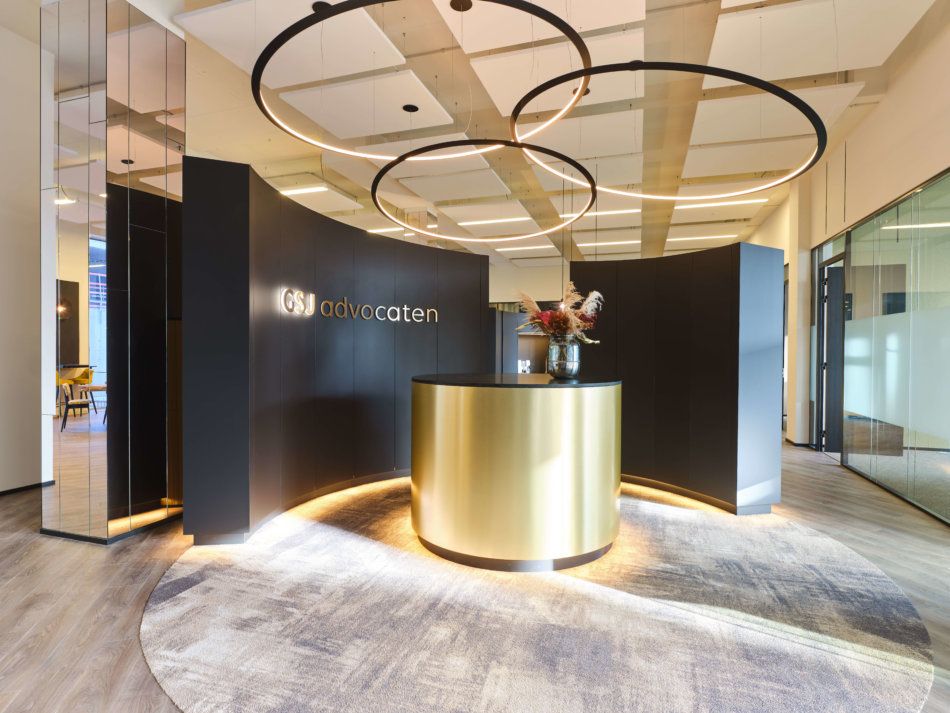
Your branding plays a central role in any office design. Whether you are welcoming suppliers, team leaders or customers, everyone who sets foot in your office should immediately know whose organisation they are in.
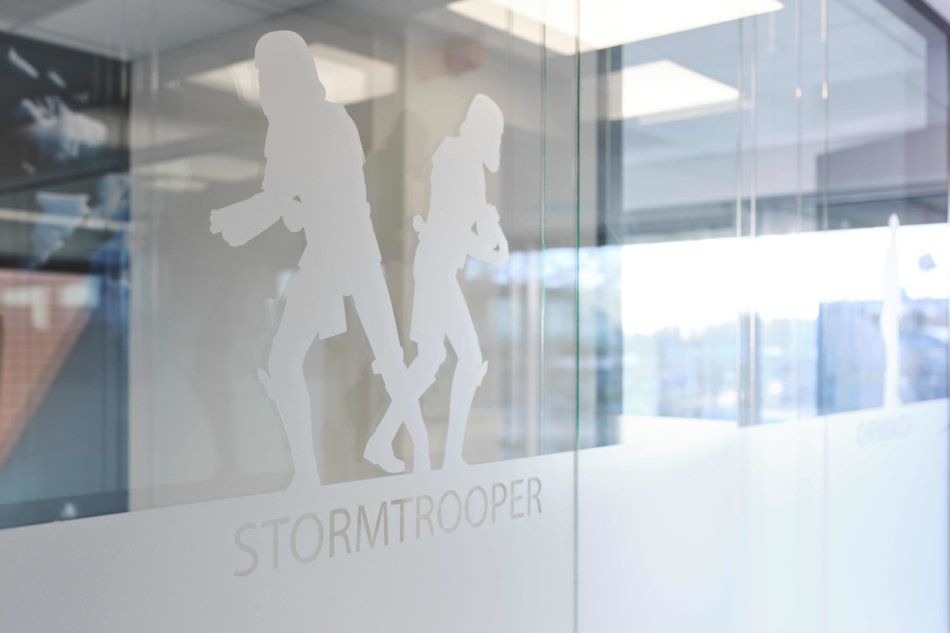
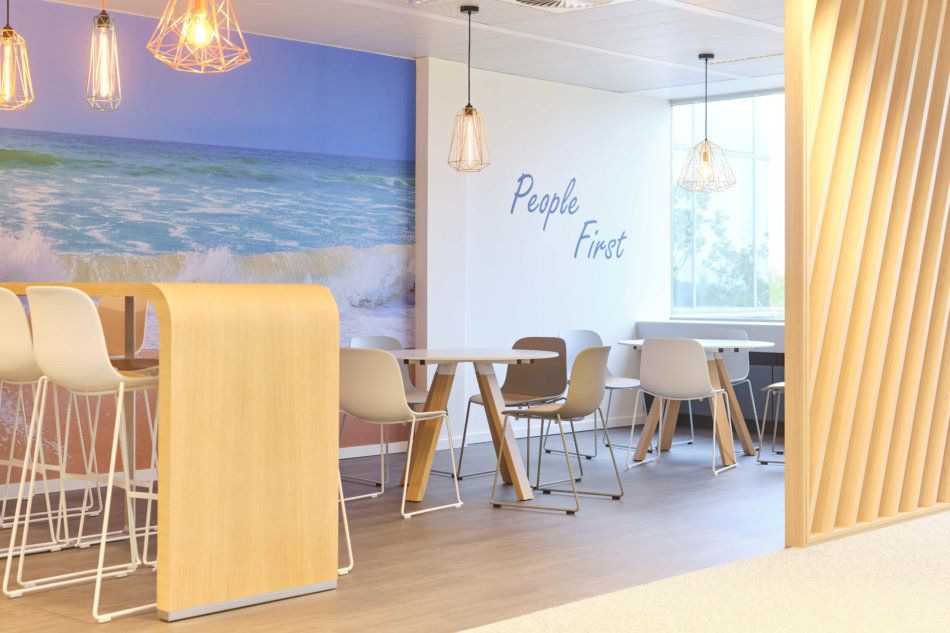
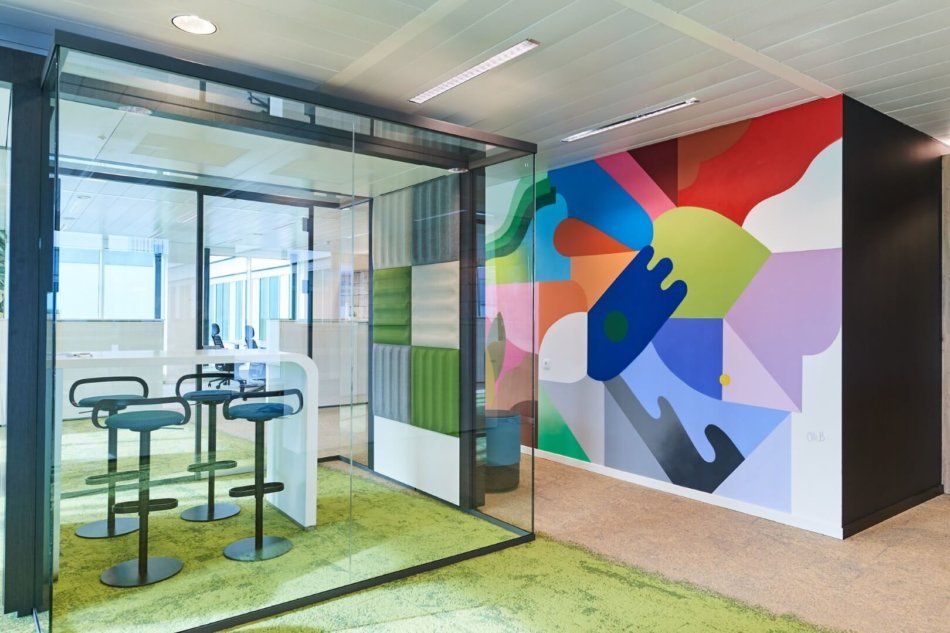
There are plenty of levers. Use your colours, give the logo a prominent place, put drawings or slogans on the walls, and even use original signage for the toilets or give the meeting rooms names that say something about you.
Keep it coherent rather than loud. A handful of consistent signals reads as identity, while a dozen unrelated ones read as decoration.
Start from what your team actually needs
Office design also has to account for the situations and activities on the work floor. The honest questions are the useful ones.
Only once you have answers can you define what your office design has to deliver. Until then, every plan is a guess with a price tag.
- Does everyone come in every day, or are fixed desks a thing of the past?
- What do people genuinely need in order to do their work well and feel at home?
- How do you keep colleagues who spend most of their time on the road or with clients connected to the workplace?
- Which activities currently have nowhere suitable to happen?
- What do people avoid doing at the office, and why?
Do not design from HR figures alone
Headcount data tells you how many people you employ. It does not tell you why half of them stay home on Fridays or why one team never uses the meeting rooms.
So talk to the people involved. Surveys, brainstorming sessions, focus groups or a small group of ambassadors will surface the real friction, and involving people early makes the change far easier to land later.
What custom office design costs you if you skip it
Doing nothing is also a decision, and it has a price. It just appears on different lines of the budget.
- Candidates who visit, look around and choose the other offer
- Experienced people who quietly stop coming in, and then stop staying
- Meeting rooms permanently booked because there is nowhere else to take a call
- Space you pay rent on that no activity actually uses
- A second fit-out within a few years, because the first one solved the wrong problem
How Alternativ approaches a custom office
Time, space, budget and objectives differ for every company, so we take all of those individual factors into account for each client. A project manager follows the work step by step, from the first plan to the moment your team walks in.
That is also why the analysis comes before the drawing. We think twice to deliver once.
Scroll or drag
Frequently asked questions
An office designed around your own activities, brand and team rather than a standard layout. It starts with how your people work and what visitors should experience.
It plays a part. Candidates form an impression during their visit, and an office that is dark, noisy or uninspiring gives experienced people one more reason to look elsewhere.
Ask them directly. Surveys, brainstorming sessions, focus groups or a small group of ambassadors reveal far more than HR figures alone.
Through colour, a prominent logo, wall graphics or slogans, and details such as signage and meeting room names. Consistency matters more than quantity.
Wondering what a custom office design could look like for your organisation?
Let Alternativ know and we will start with your questions, not our catalogue.