
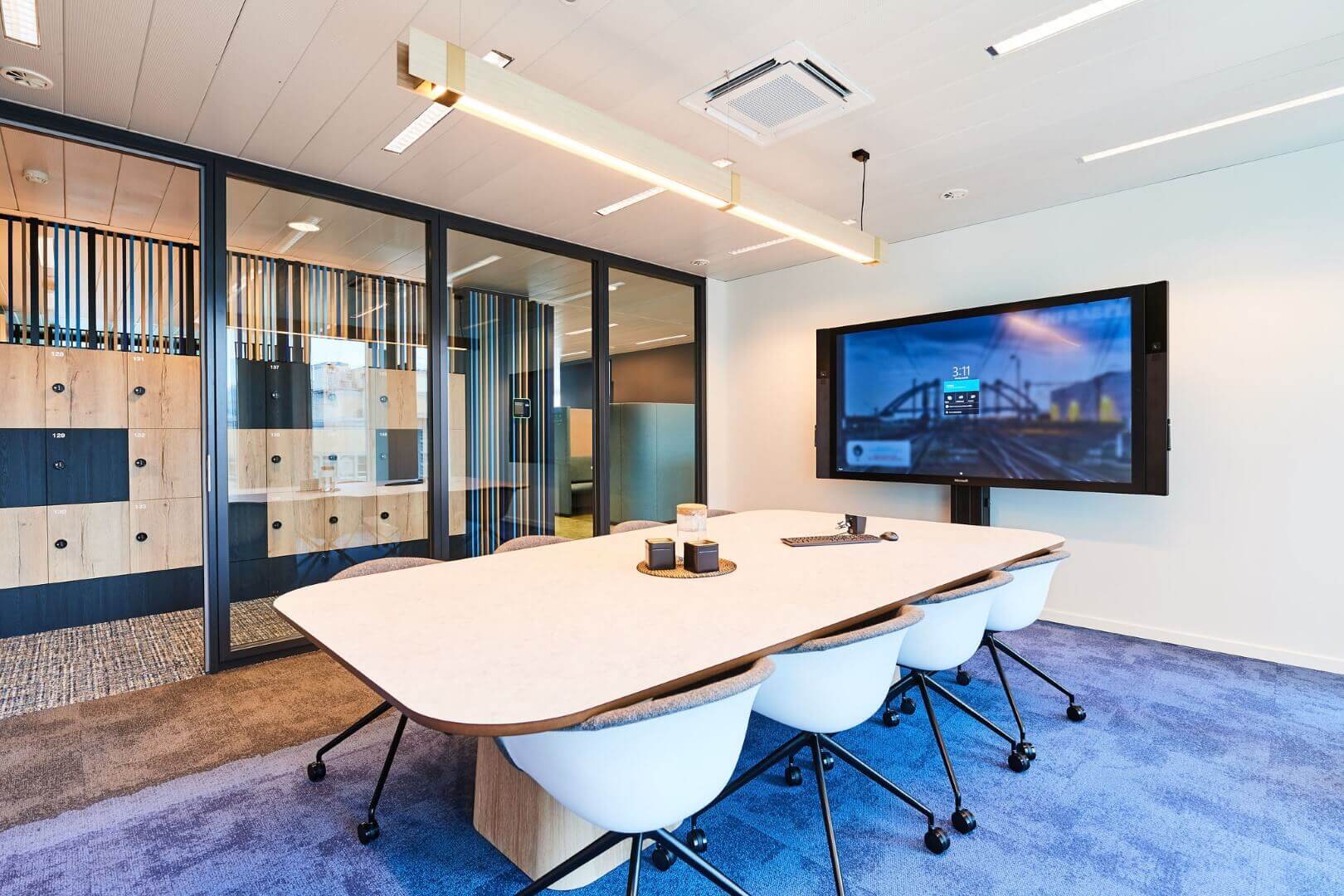
Office design that makes the journey in worth it
Employers have learned that people working from home can be trusted. Employees have learned how much they gain from skipping the commute. Both are true, and both leave you with the same question: what does the office have to offer for someone to choose it? Office design answers most of that question.
Why the balance matters
Over the past years employers discovered that team members who work from home do not simply spend the day ironing or watching television. Employees, in turn, discovered the benefits of not travelling in every day, from taking the children to school to fitting in some sport.
The key message is that a balance has to be found. Teleworking has become essential, but working from home constantly can dampen team spirit, hinder communication and weaken loyalty to the company.
If certain colleagues are harder to motivate to make the trip, the right office design usually makes it easier.
An office that feels a bit like home
Many employers come to us because they want working in the office to feel more appealing, so people are happy to leave the home desk behind for a day.
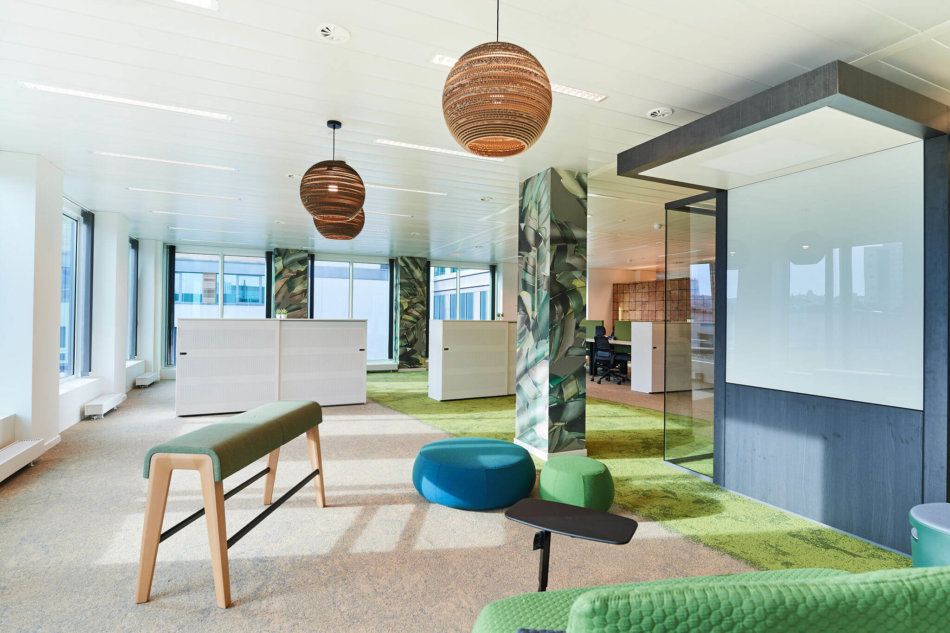
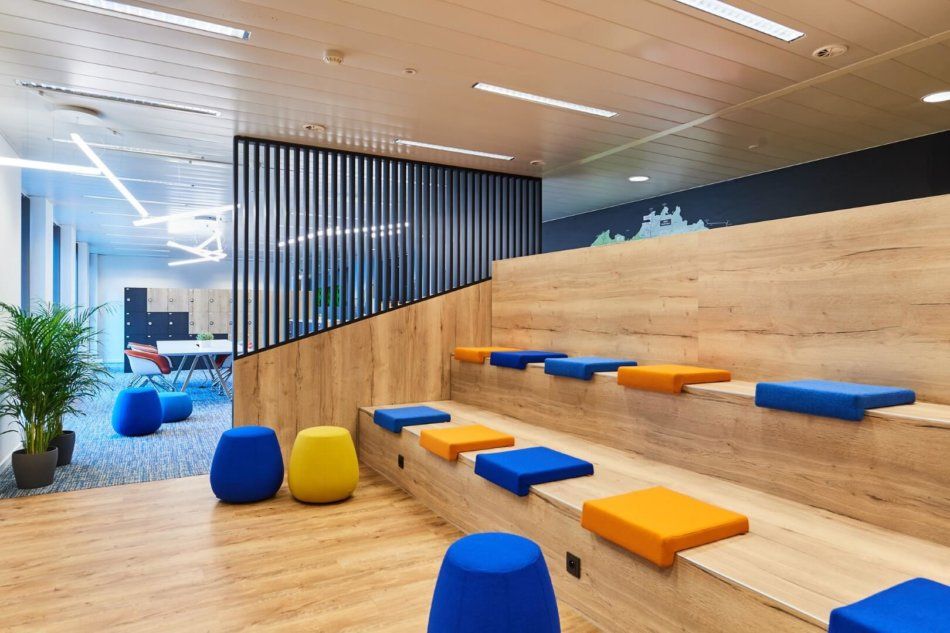
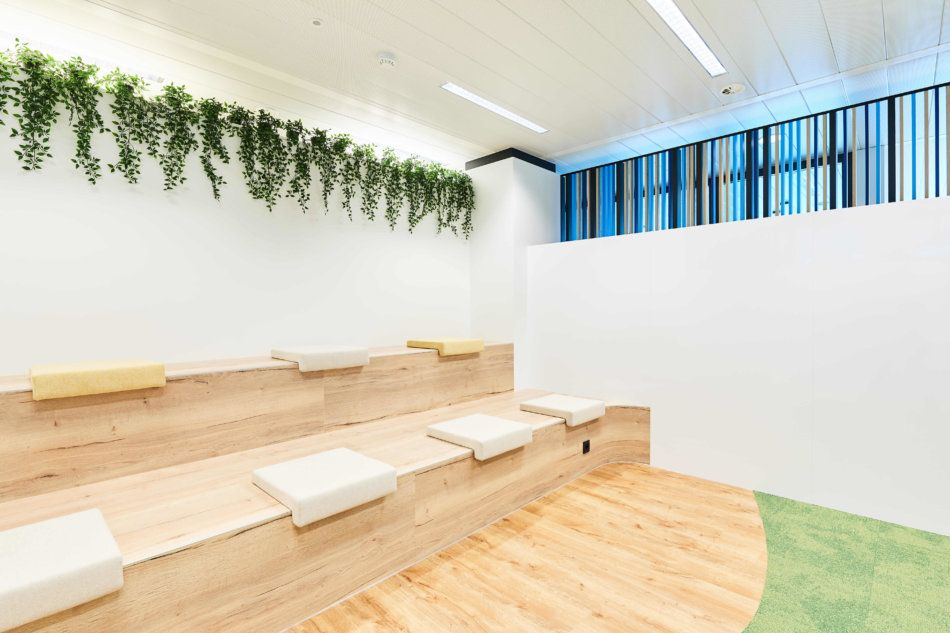
One element matters more than most: a seating area where colleagues can catch up informally. To save space, let that cosy corner double as the kitchen and, if useful, as a presentation area. A multifunctional space earns its square metres several times over.
You strengthen team spirit further with bubbles for one-to-one conversations. And to make people genuinely feel at home, use warm materials, plants and personal touches such as photos.
Flexible workspaces, done properly
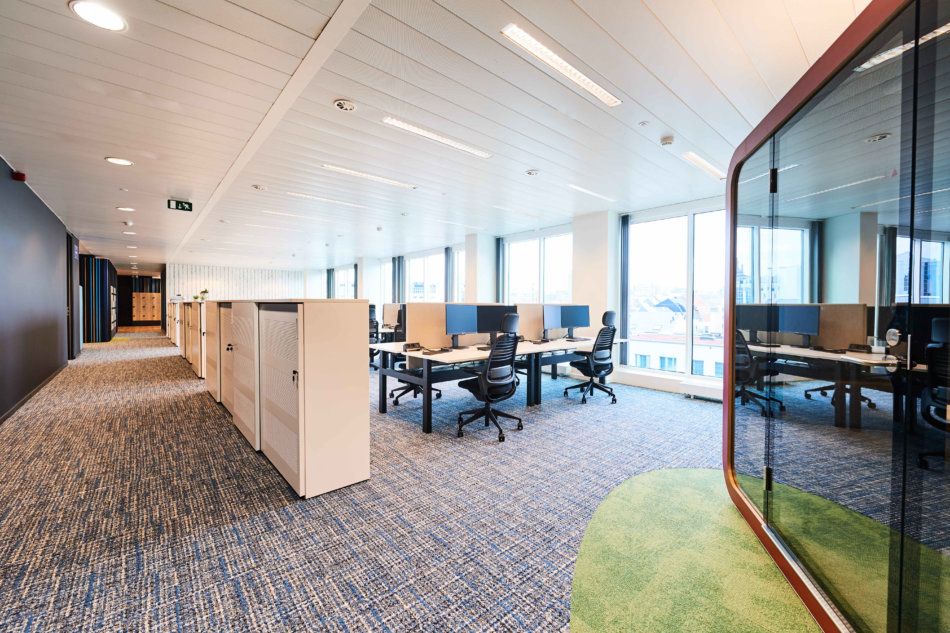
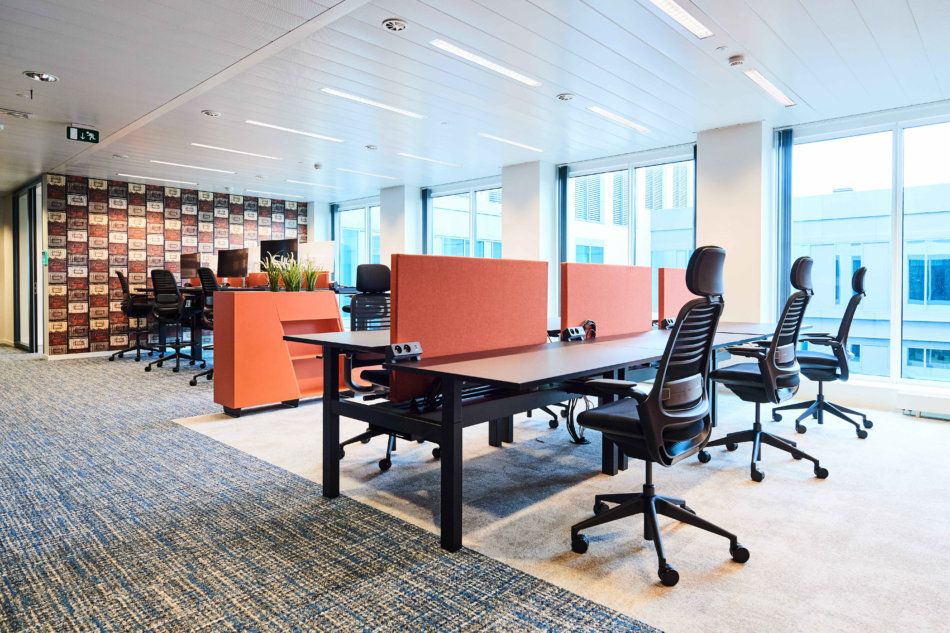
If you never have everyone in at the same time, there is no need for fixed workspaces. Flexible workstations save room and encourage people from different teams to sit together and get to know one another.
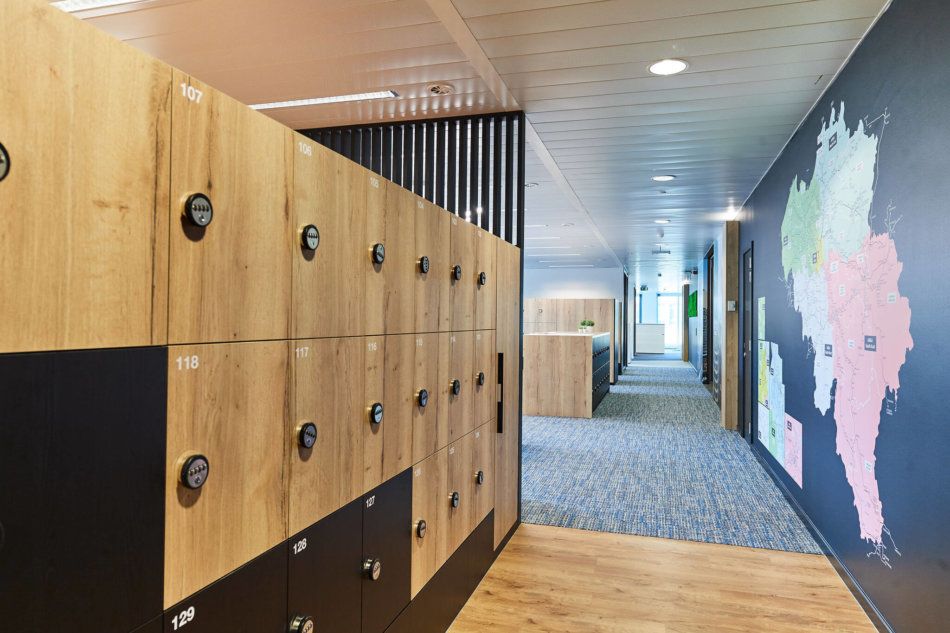
There is one condition that decides whether it works: storage. Provide enough cupboards so that everyone can clear their desk completely at the end of the day. Without that, a clean desk policy becomes a daily argument.
- Enough lockers for every person who works flexibly, not for the average day
- Desks and chairs that adjust quickly, so a different person can use them tomorrow
- Ergonomic furniture throughout, to prevent back, neck and other complaints
- Clear zoning, so a flexible desk is not placed next to the busiest phone area
Give people reasons, not rules
Attendance policies tell people when to come in. Design tells them why it was worth it. The second works better, and it lasts longer.
Ask what people miss when they work from home, and build the office around those answers. In most organisations they are remarkably consistent: contact with colleagues, quick informal input, and a place to concentrate that is not the kitchen table.
- Somewhere to eat together that is pleasant enough to linger in
- Meeting rooms equipped so hybrid participants are not second-class
- Quiet areas for the focus work that is hard to do at home with a full house
- Space for the spontaneous conversations that never get scheduled
What it costs to leave the office as it is
An unchanged office still costs the same rent, energy and maintenance. What changes is what you get back for it.
When the office offers nothing that home does not, people come in less often, informal knowledge-sharing fades, new colleagues take longer to find their footing, and the connection to the organisation thins out quietly rather than dramatically.
New build or renovation: start with the needs
Whether you are building a new office or renovating an existing one, the first step is the same: clarify what you and your employees actually need before anything is drawn or ordered.
That is the part Alternativ helps with first, and it is where most of the value in a workplace project is decided.
Scroll or drag
Frequently asked questions
By offering what home cannot: informal seating areas to catch up with colleagues, quiet zones for focused work, and well-equipped meeting rooms. Warm materials, plants and personal touches help too.
Yes, if you never have everyone in at the same time. They save space and mix teams, provided you supply enough cupboards for people to clear their desks each evening.
Constant home working can dampen team spirit, hinder communication and weaken loyalty to the company, which is why most organisations aim for a balance.
It does. Desks and chairs used by different people every day must adjust easily, and ergonomic furniture prevents back, neck and other complaints.
Planning a new office or a renovation and want people to enjoy coming in?
Get in touch with Alternativ and we will start with your questions.