
iGen workplace trends: Six shifts from education to the office
Your next hires studied in buildings that were open around the clock, full of technology and designed around choice. If your office feels like a downgrade on their campus, you will feel it in recruitment and retention. Here are six trends shaping how iGen learns and works, and what they mean for your workspace.
Who iGen is
Born between 1995 and 2012, iGen is the first generation never to experience a world without universal access to the internet and personal devices. By the time the first iGeners turned five, Y2K and the worry of crashing computer networks saturated the news. With technology tied to their earliest memories, this generation views work and school unlike any before it.
To learn more, Steelcase visited the 10th anniversary of Clerkenwell Design Week in London, where Orangebox Digital Manager Nathan Hurley spoke on Smartlearning: How iGen's Educational Experience Will Impact the Workplace. He set out six trends shaping higher education and workplace design.
1. Smartlearning: education as a brand
iGen adults see themselves as constant customers, even in education. Rather than only seeking academic excellence, students shop for the university that offers the experience they want, and institutions now brand themselves the way big companies do.
Researchers from London Metropolitan University surveyed over 190 young adults likely to enter college about the marketing of three universities. Students valued branding focused on the social environment and the amount of student support much more highly than traditional materials about mission and values.
2. The social campus, and the workplace that disappoints
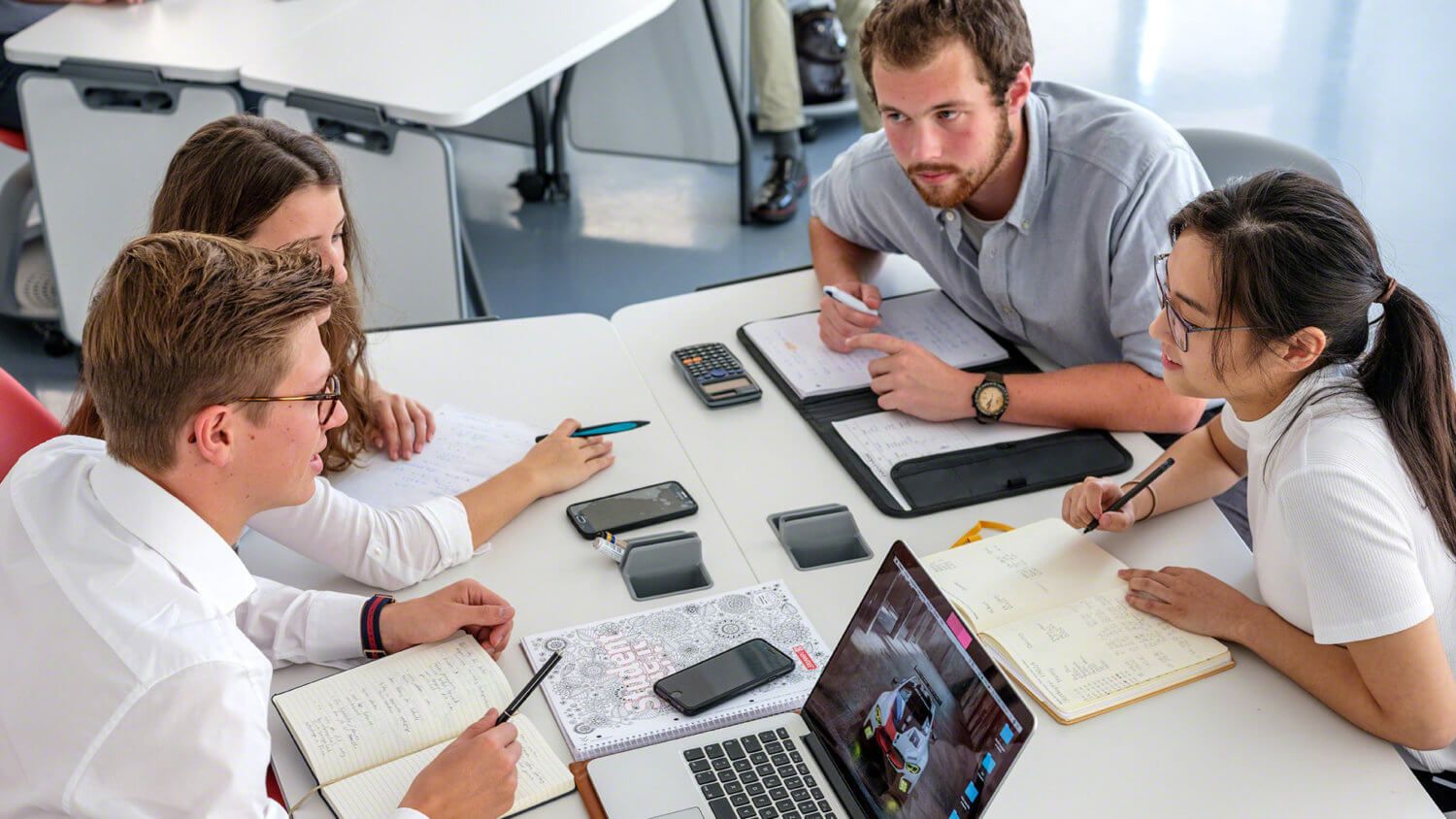
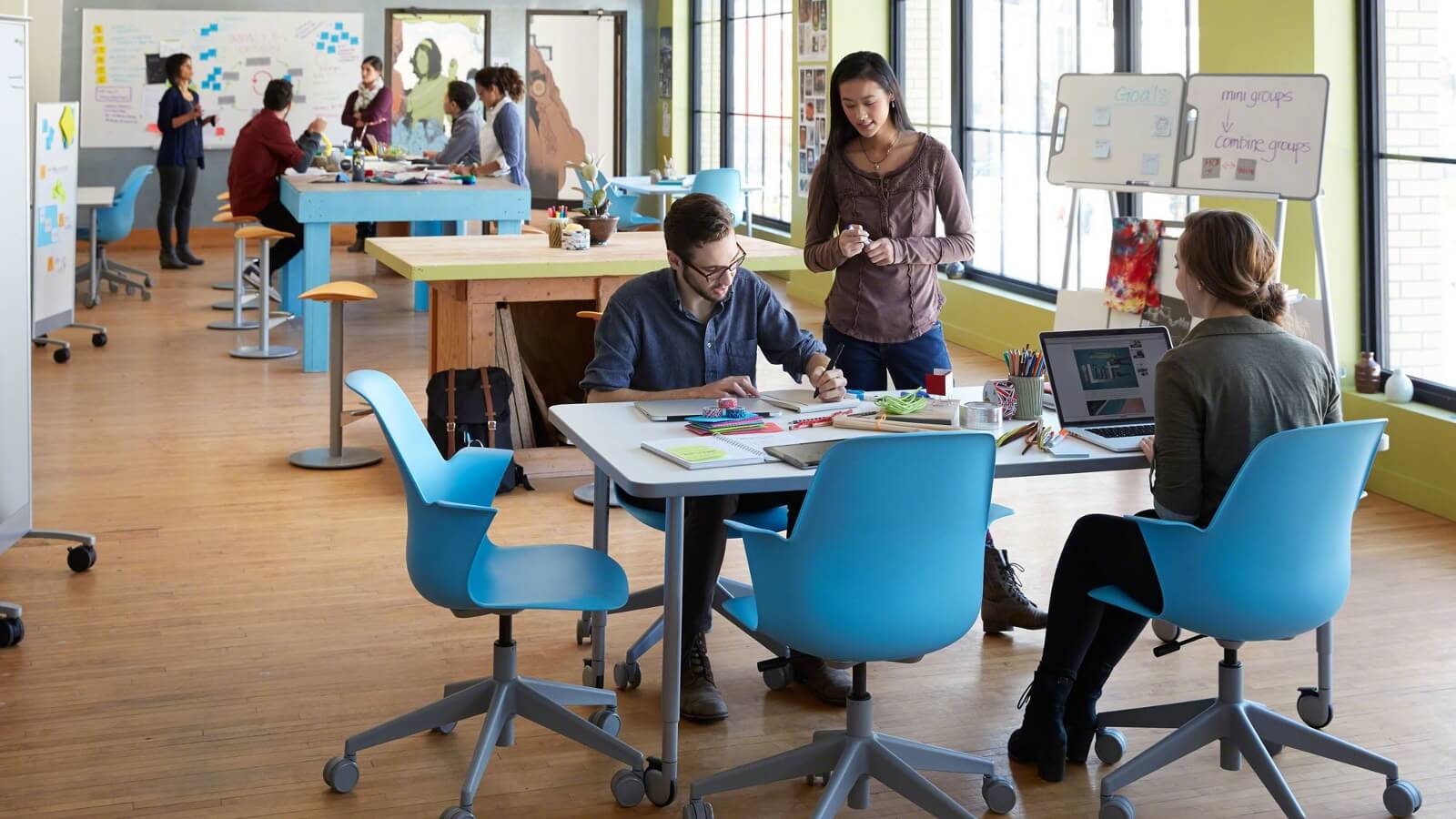
The library is the new student union. Once a place for quiet focus work, libraries are now hyperconnected spaces where students work alone or together across a range of settings, choosing when, where and how they work.
After studying in those buildings, iGen graduates often enter workplaces that lack the technology and performance they expect. That downgrade in space, functionality and design leaves a large potential for dissatisfaction. Hurley cautions that organisations must prioritise technology and offer a range of spaces to attract and retain the best talent.
3. Flipped learning and the four Cs
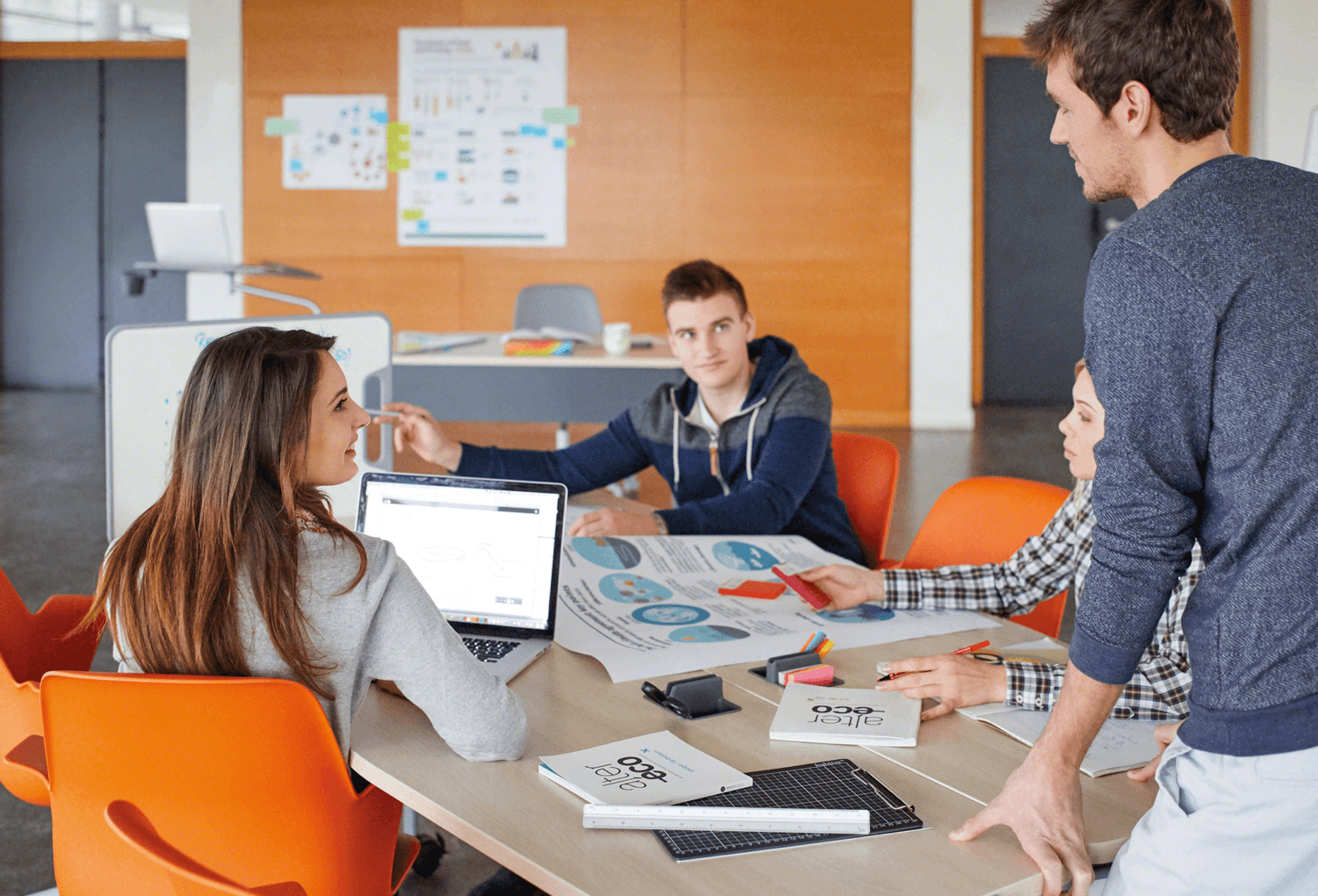
Companies want the four Cs: communication, collaboration, critical thinking and creativity. One teaching method that builds them is flipped learning, where students watch pre-recorded video lectures at home and do the exercises with peers in the classroom.
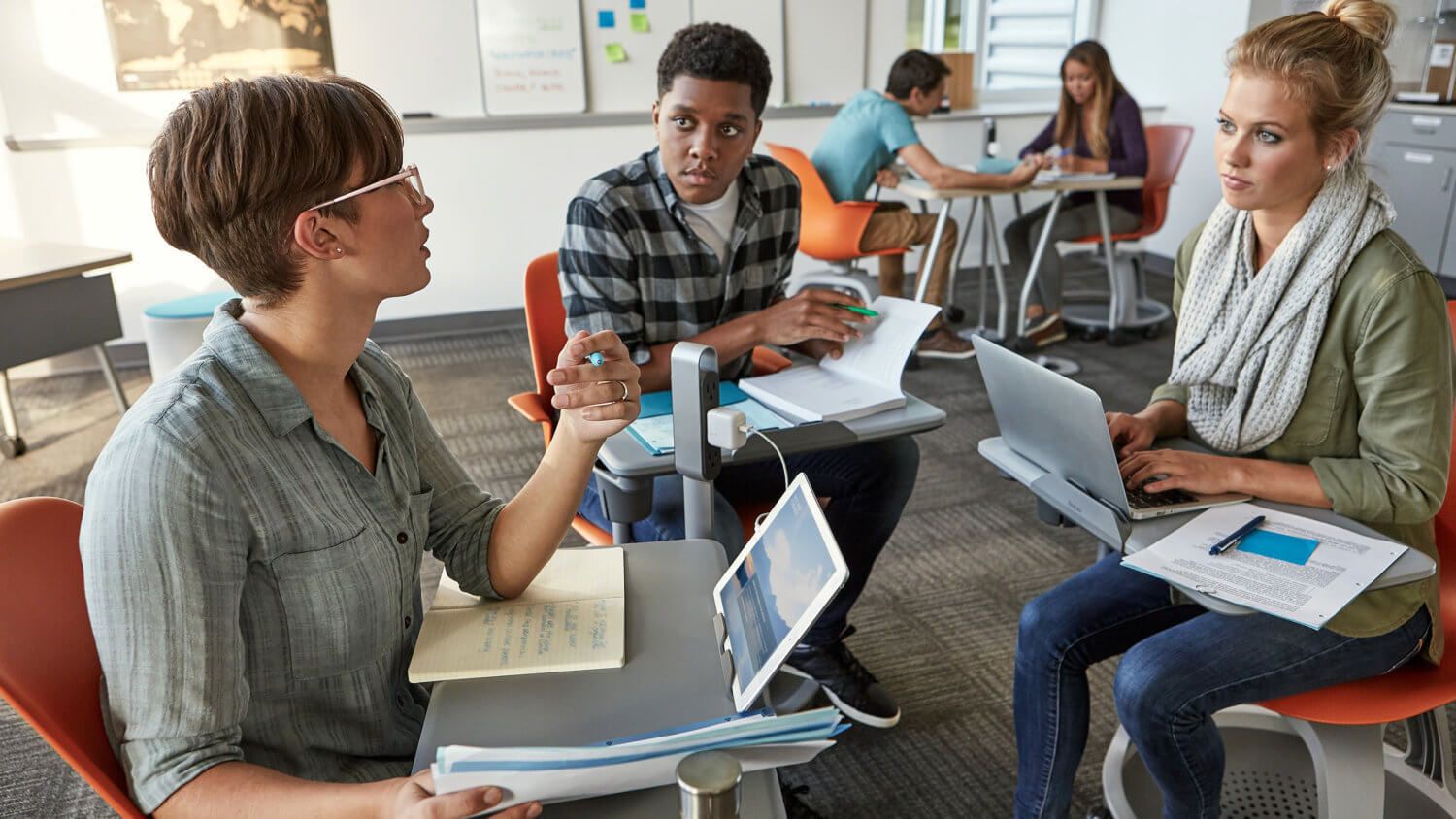
A flipped classroom needs a different design: mobility, group work and room to interact with information. The same is true of a meeting room where the reading happens beforehand and the session is for working together.
4. University YouTube
There is little iGen cannot learn on YouTube. In 2017, YouTube reported that people watch over 1 billion hours of video on the platform every day. This generation is at home with online learning and often prefers it, which fed the popularity of Massive Open Online Courses, where anyone can learn on demand.
That habit has a spatial consequence. Learning is no longer scheduled, so spaces should be fluid and informal enough to support it whenever it happens, at work as much as on campus.
5. Career Tinder
iGen is not looking for a job for life, and rarely even for the same job for a decade, says Hurley. Apps such as Switch App and Labour Xchange give instant access to thousands of openings, letting people swipe for a new job the way they swipe for a date.
If a new job is a click away, the daily experience of working somewhere carries more weight than the offer letter. That includes the building people sit in every day.
6. The sticky campus
Google offers everything an employee needs on campus, from free meals to gyms and massage therapists, and the perks keep people there. Universities are following that lead, notes Hurley, investing in experiential design and campuses open 24/7 so students cannot imagine leaving.
Research from Gallup shows how wide the expectation gap has become: 96% of chief academic officers say they prepare students for the workforce, while only 11% of corporations say they do. Hurley argues both sides should learn from each other. Companies can look at modern libraries to become more flexible and less hierarchical, and universities can learn from innovative organisations about what makes people want to stay.
What this means for your office
Translating the trends into a brief is straightforward:
- Offer a range of settings, so people can choose where a task belongs
- Treat technology as the experience, not an add-on to it
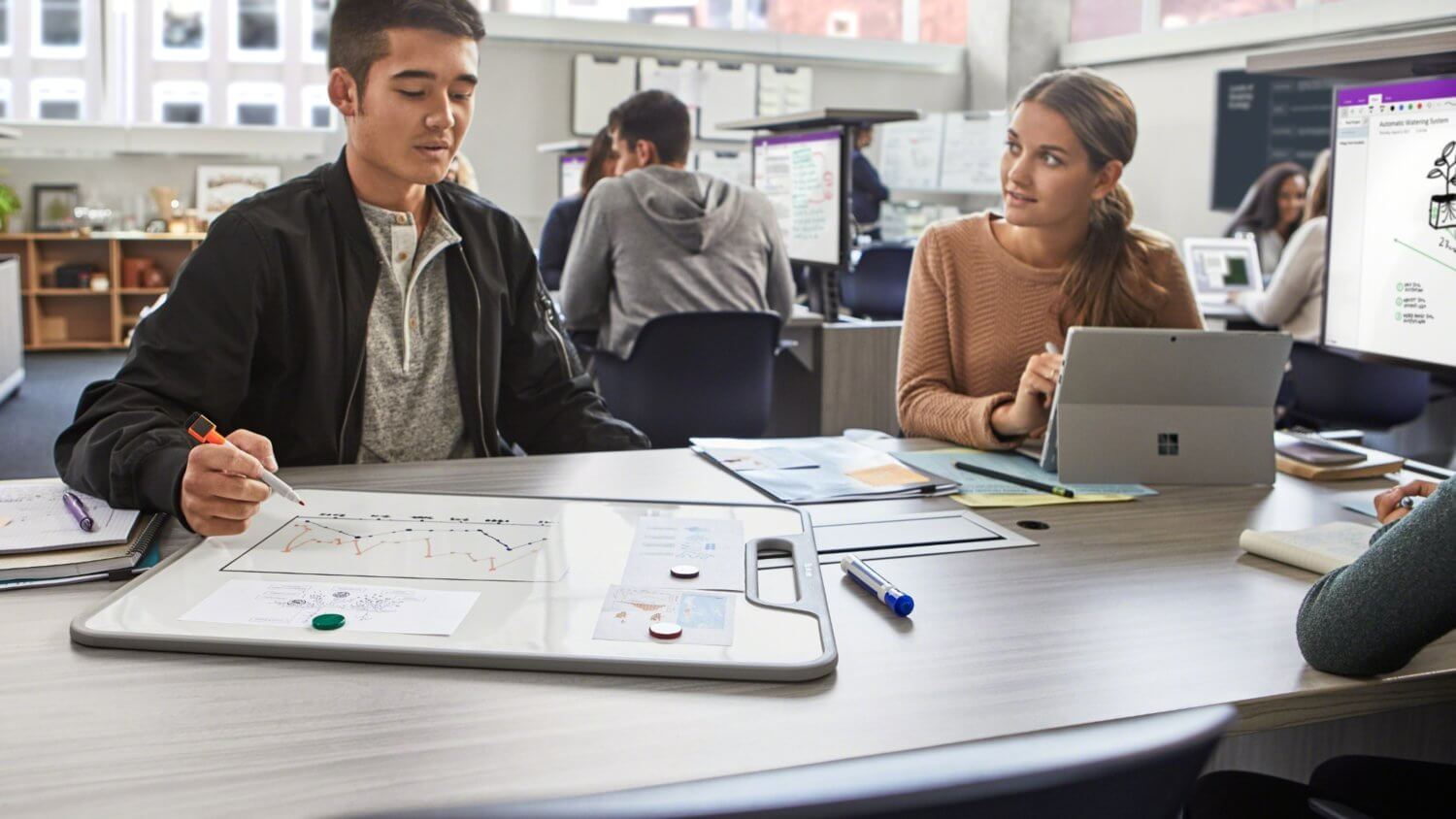
- Design rooms for doing the work together, not for listening to a presentation
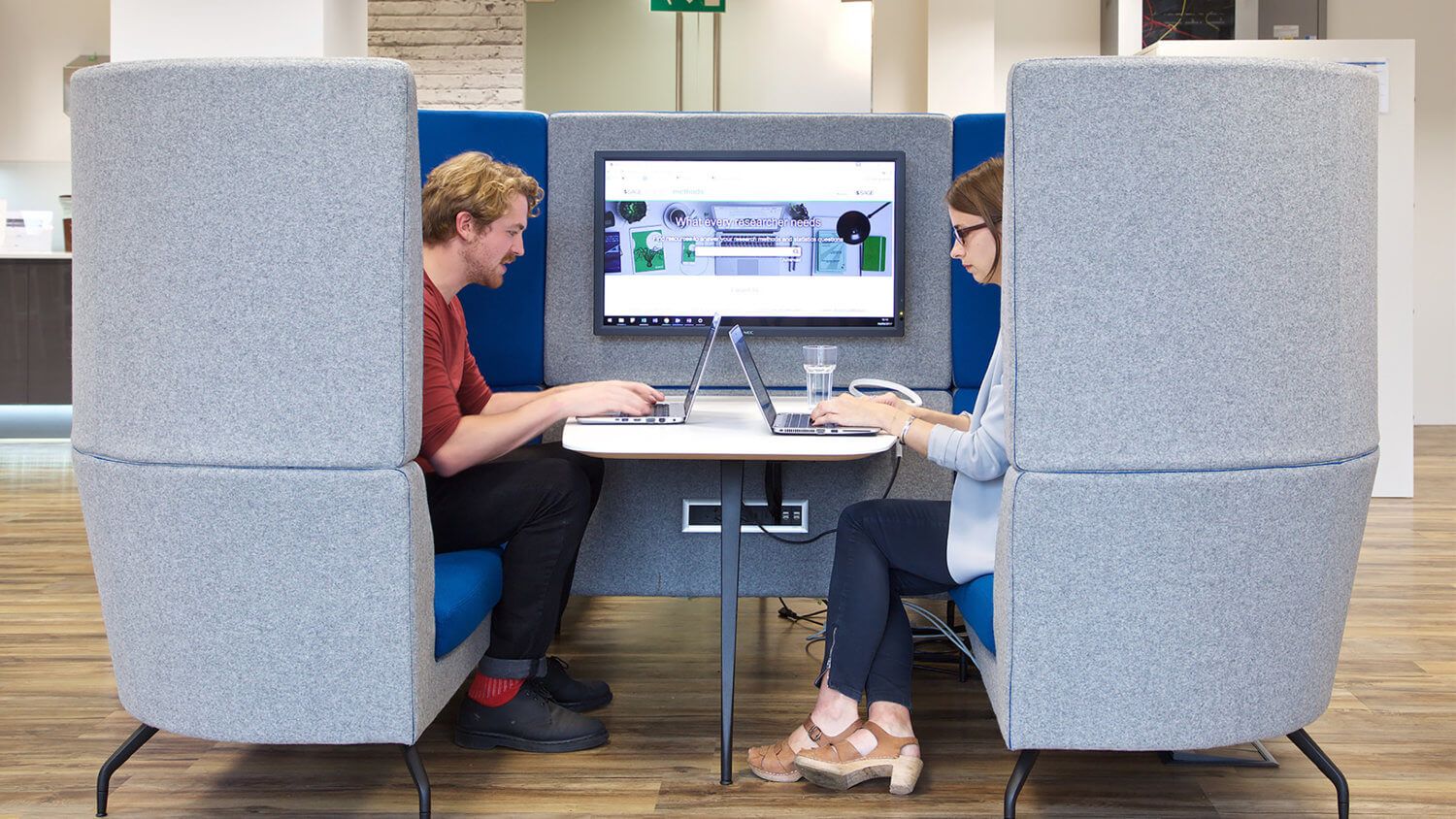
- Make informal space count, because learning and hiring conversations happen there
- Show your culture in the space itself, since candidates compare it with where they studied



Scroll or drag
Frequently asked questions
People born between 1995 and 2012, the first generation never to experience a world without universal internet access and personal devices.
They studied in hyperconnected libraries offering choice over when, where and how to work, so an office with less technology and fewer settings feels like a downgrade.
A campus designed so people want to stay, with an experience and facilities modelled on innovative companies and access around the clock.
Wondering how your office measures up for the people you want to hire?
Talk it over with Alternativ.