

Creativity at work: What automation leaves for people to do
Robots, artificial intelligence and automation will change many jobs and make some disappear. That worries your team, and it should shape how you plan your workplace. If history is any guide, most of the change will be good, provided people get the room to do what machines cannot. Here are the figures and what they ask of your office.
What happened the last time machines arrived
Between 1982 and 2012, employment grew significantly faster in occupations that embraced the use of computers. Technology did not empty those jobs, it changed them.
As automation eliminated routine, repetitive work, people had more time to do what machines cannot: creative work. The future will need everyone to unleash their creative potential to solve complex problems, make new connections and generate ideas.
Technology: promise or peril?
The scale of the shift is large, but it is a shift in tasks rather than a wholesale replacement of people:
- 50% of the activities for which people are paid in the world's workforce could potentially be automated by current technologies
- 42% of jobs in France are predicted to be transformed by digitalization in the next 10 years
- Less than 5% of all occupations can be entirely automated
What keeps leaders awake
Leaders are not mainly worried about machines. They are worried about finding people with the skills machines do not have:
- 77% of CEOs are concerned that key skill shortages could impair their company's growth
- 61% of leaders do not believe that their company is very creative
- 52% of CEOs plan to hire more employees, and the skills they consider most important are those that cannot be replicated by machines
The creativity gap
The gap sits between what companies say they value and what they actually measure and enable:
- 42% of employees say their company measures productivity by how much work they produce
- 34% say their company measures productivity by how creative their ideas are
- 77% of workers believe creativity will be a critical job skill in the future
- 69% of employees say they are not living up to their creative potential
- 40% say their company has a culture that encourages creativity
The skills nobody has hired for yet
The target keeps moving. By 2020, more than a third of the desired core skill sets of most occupations were expected to consist of skills that are not yet considered crucial to the job. And 65% of children entering school today will do jobs that currently do not exist.
For an employer, that has one practical consequence: you are hiring people who will have to keep learning on the job, and your workplace either supports that or gets in the way.
What creative work needs from a workplace
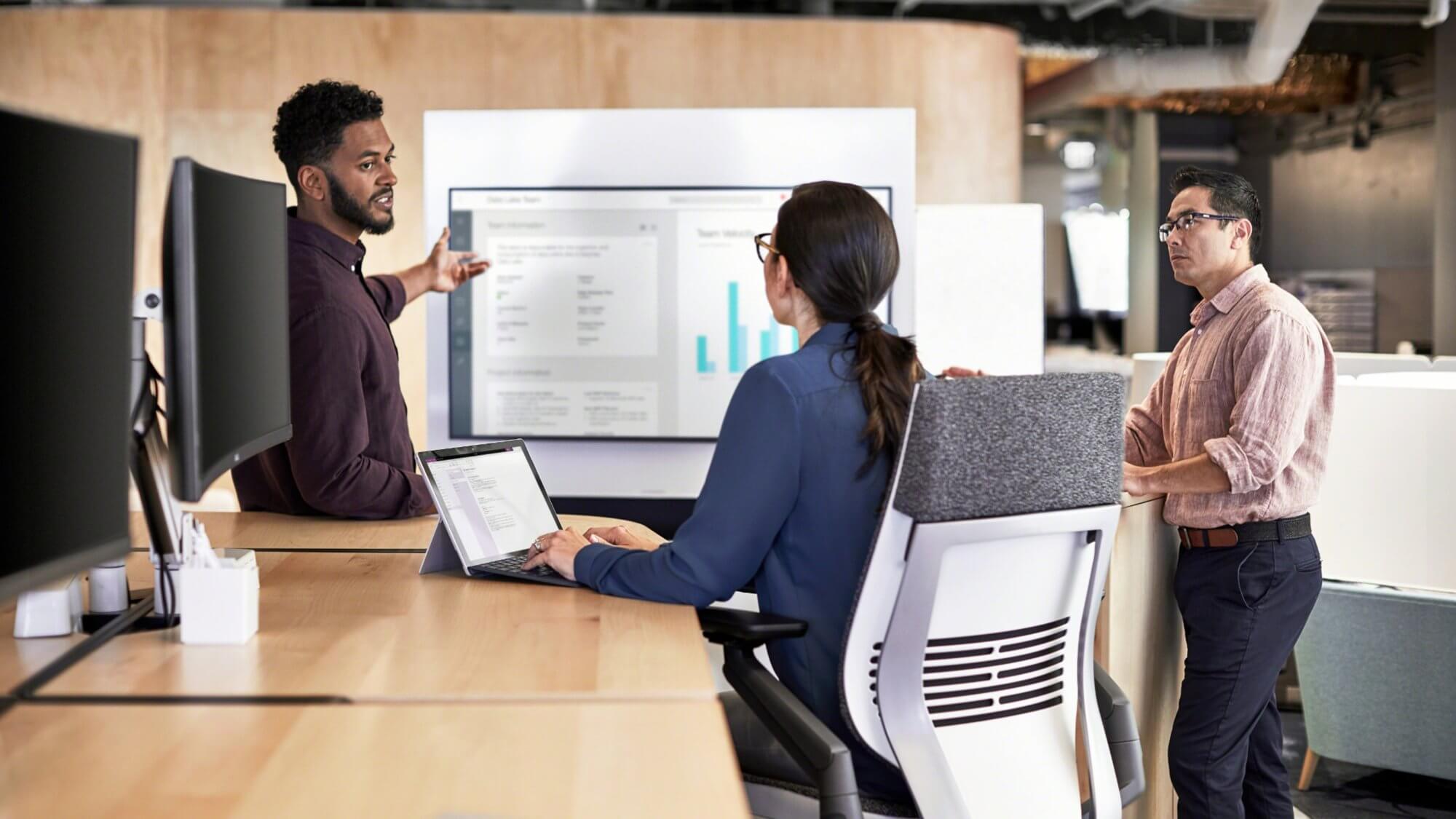
Creativity is not a mood. It is a sequence: gather information, work alone, bring it together, test it, decide. Each of those steps needs different conditions, and most offices only provide one.
A floor plan that supports creative work usually covers:
- Enclosed, quiet settings for the deep thinking that ideas start from
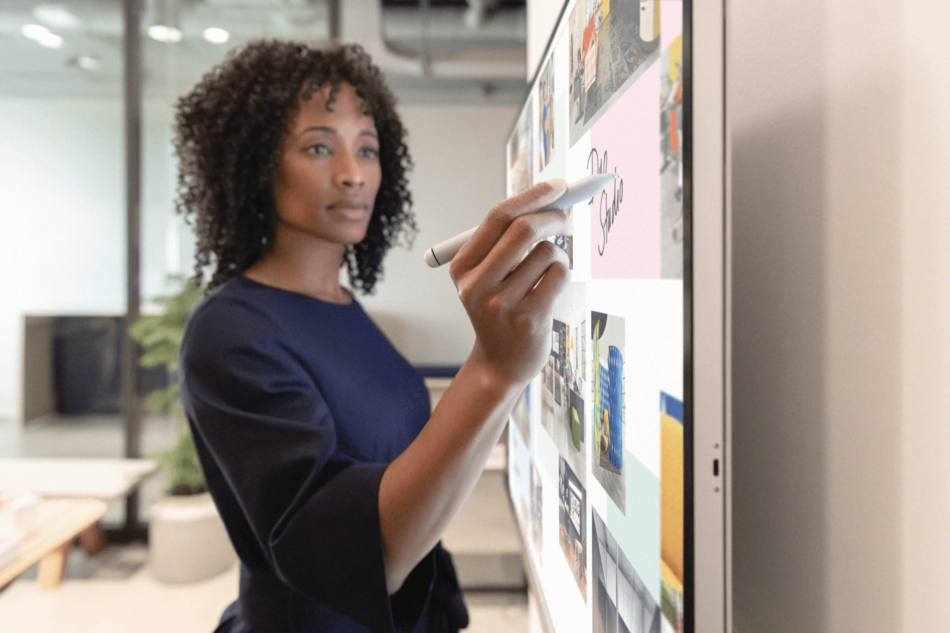
- Project spaces where information can stay on the walls between sessions instead of being wiped after every meeting
- Furniture teams can move themselves, because the room should follow the task and not the other way round
- Neutral, low-stimulation rooms for structured problem solving, and richer settings for exploration
- Places to step away from the desk, since the pause is part of the process
- Visible leadership, so ideas can be tested with decision makers before they go stale
Designing for the work machines will not take
If the value of your people shifts towards ideas, judgement and collaboration, then space stops being overhead and starts being infrastructure. The question to ask of your current office is simple: where in this building does someone actually go to think, and where do they go to build on someone else's thinking?
Alternativ designs and builds workspaces around those two questions. We think twice to deliver once, so the office you get supports the work you will be doing in a few years, not only the work you do today.
Scroll or drag
Frequently asked questions
Less than 5% of all occupations can be entirely automated, although 50% of the activities people are paid for could potentially be automated by current technologies.
Because automation removes routine tasks and leaves the work machines cannot do. 77% of workers believe creativity will be a critical job skill in the future.
Often not enough. 69% of employees say they are not living up to their creative potential and only 40% say their company has a culture that encourages creativity.
It offers quiet enclosed space for deep thinking, project rooms where information stays visible, movable furniture and places to step away between sessions.
Ready to give creative work the space it needs?
Get in touch with Alternativ to explore what your office could become.