
Workplace wellbeing: Five design choices that help people think, move and feel better
Stressed at work? Take a breath, you are not alone. The conversation about wellbeing is not new, but the World Health Organization only recently recognised burnout as an occupational phenomenon. The good news is that there are more ways than ever to support people through the space itself. Here are five of them.
What burnout is, and how to spot it
The WHO describes burnout as "resulting from chronic workplace stress that has not been successfully managed." According to the WHO, you may be experiencing burnout if you feel:
- Energy depletion or exhaustion
- Increased mental distance, negative feelings or cynicism related to your job
- Less productive at work
1. Fuel the brain
The relationship between physical activity, creativity and collaboration is important, and there is no denying that the body fuels the brain. Research around this mind-body connection continues to grow. Stanford University even found that walking increased creative output by an average of 60%. On the flip side, sitting can slow brain activity.
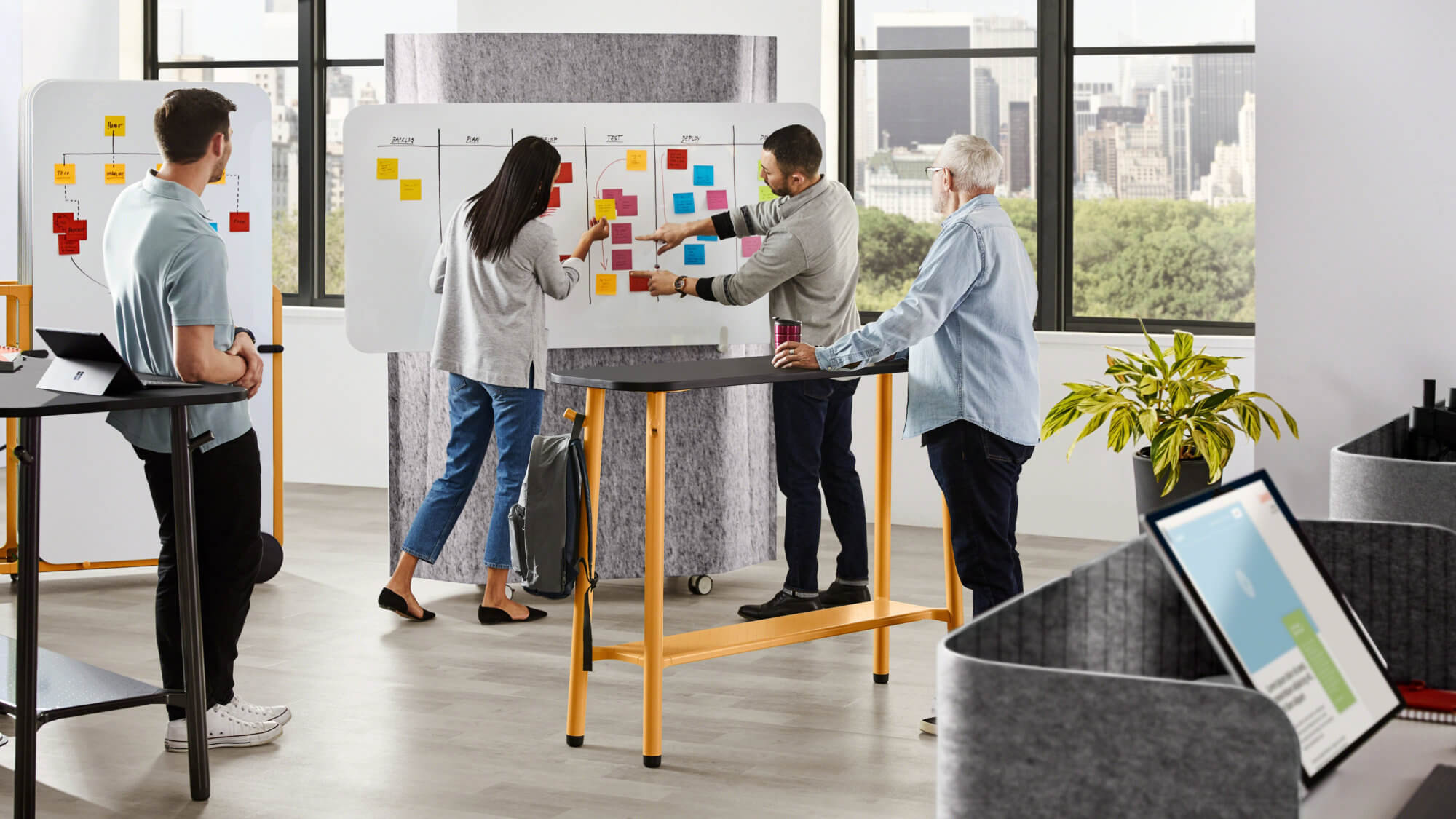
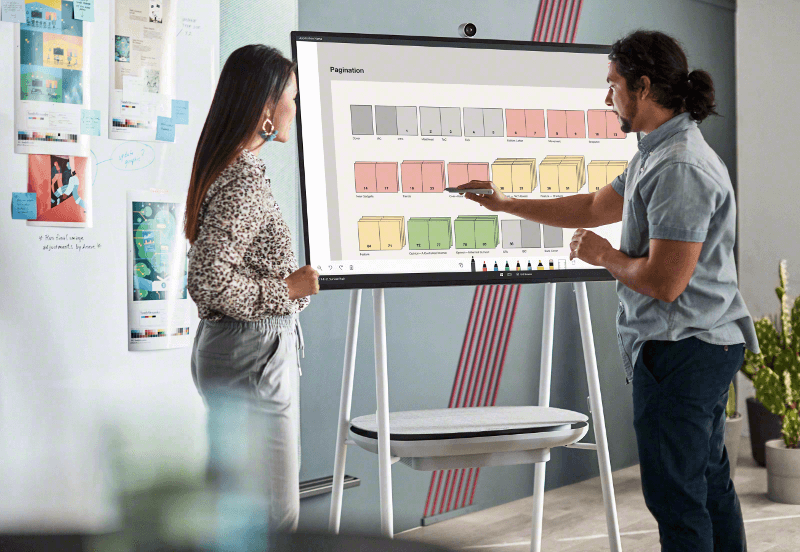
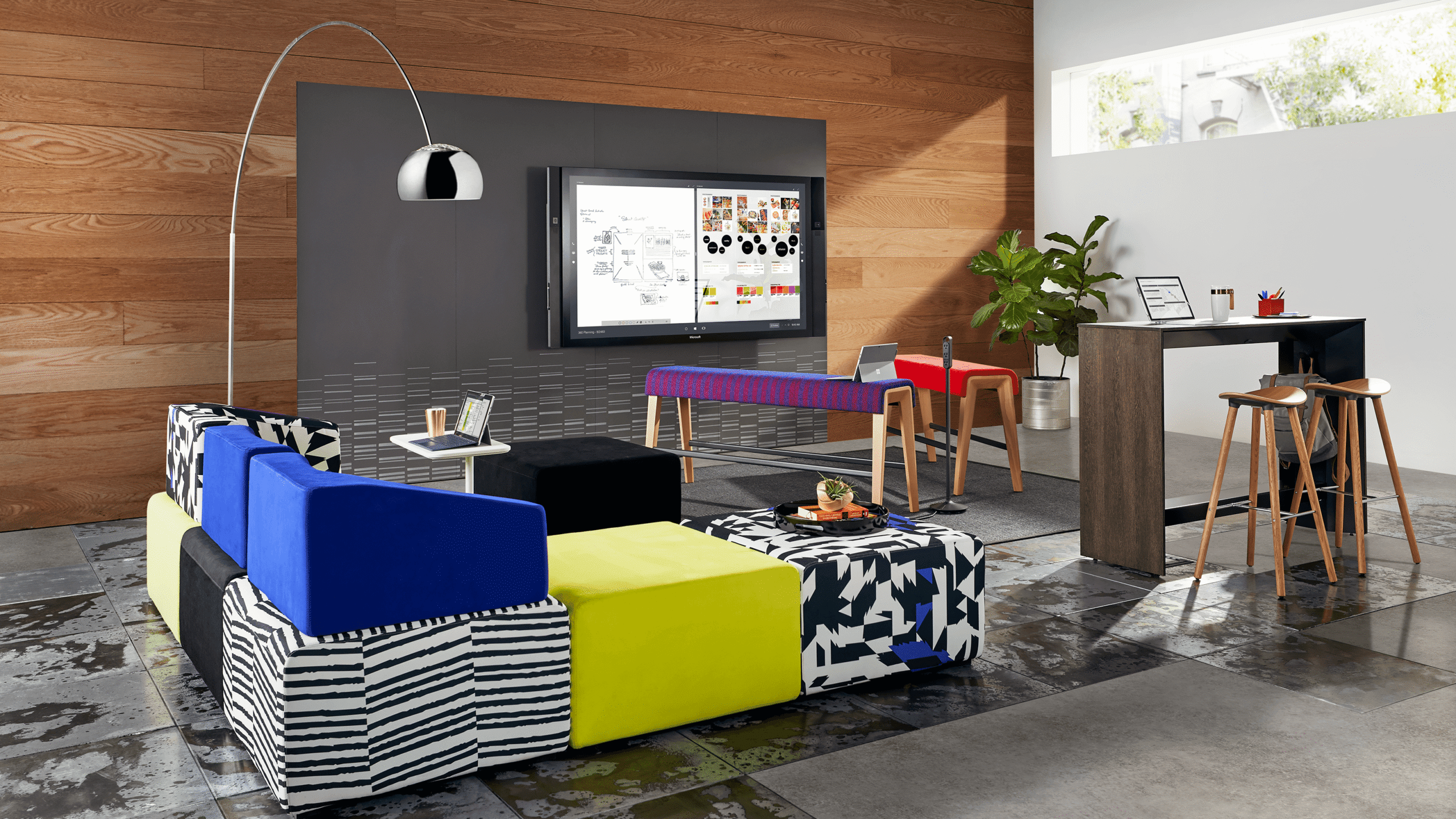
Find ways to encourage people to set aside passive, sedentary behaviours for more active, physical engagement with colleagues and information, so they generate better ideas. Perching or standing signals active engagement and participation, while large-scale collaboration technology lets people physically connect with content.
2. Find private time
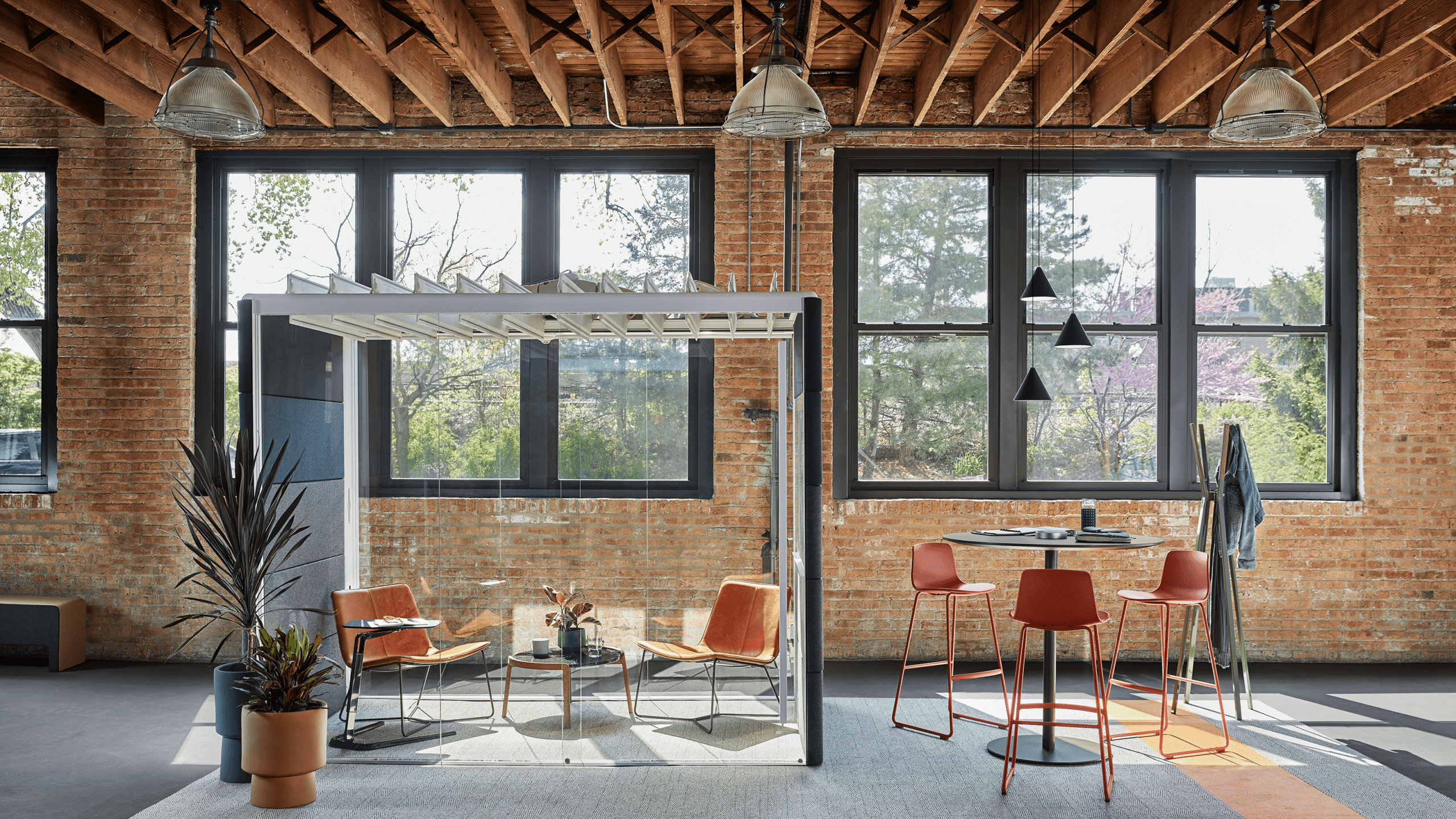
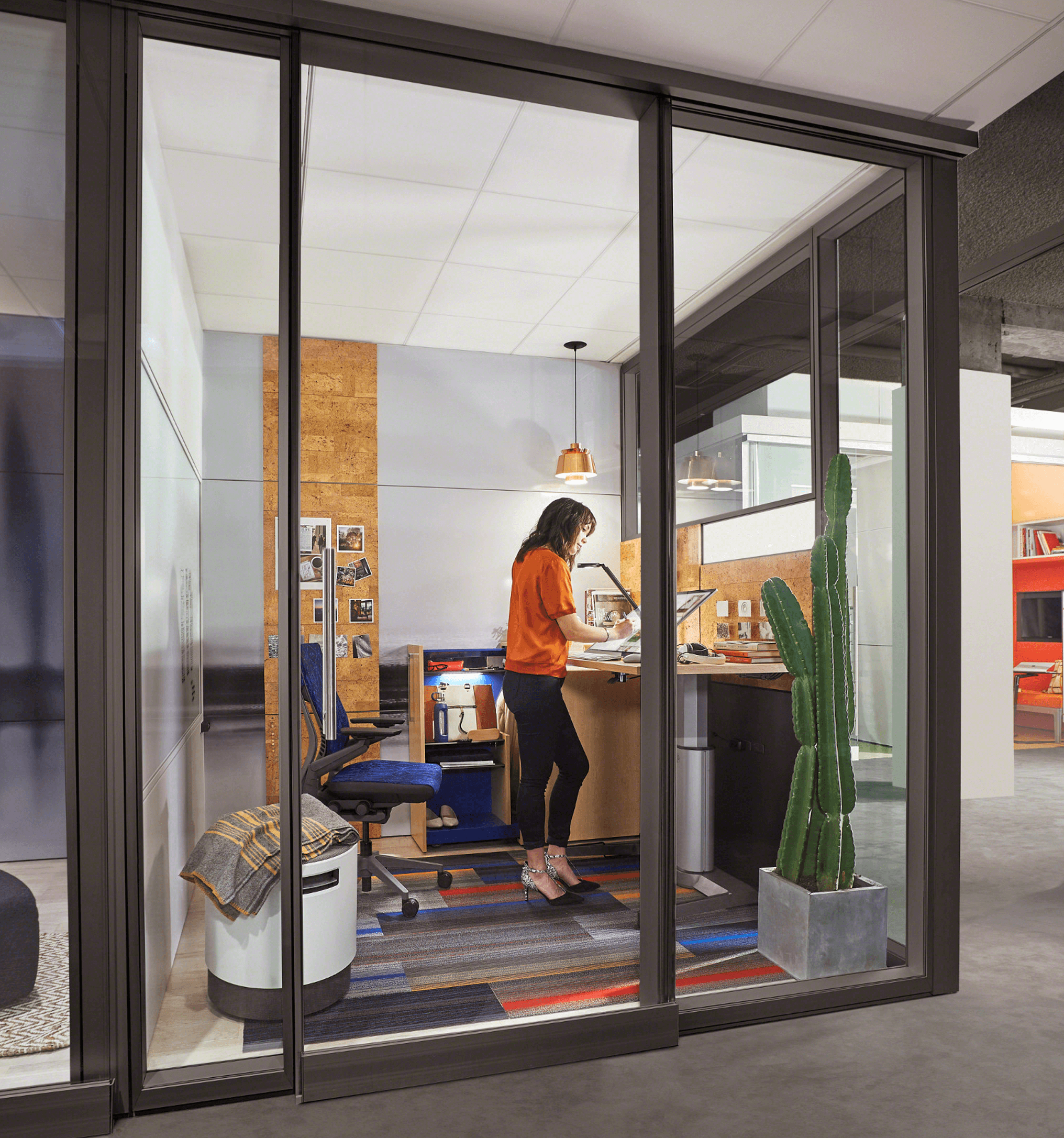
People cannot be on all the time. The best workplaces support teams while nurturing the needs of individuals, which means giving people a place to break away. Sometimes they need to focus, and other times they just need to let their mind wander. It is in these moments of solace that the brain makes the serendipitous connections that lead to fresh ideas.
Simple to install and easy to move, stand-alone office pods create private, enclosed spaces free from distractions where individuals can focus or small groups can collaborate inside an open environment.
3. Get active
The rise of ergonomics in the 1980s produced a tremendous amount of research on how to support the body at work. The bottom line is that people need more than a chair they can adjust. They need the ability to change their posture throughout the day, and they need to be encouraged to do so.
Create spaces that can be rearranged on demand. Moveable desks, tables, whiteboards, carts, space dividers and accessories that anyone can adjust make it easy to move from one activity to the next. Letting teams move their displays without disrupting flow encourages active participation in meetings and lets collaboration happen anywhere.
Steelcase also offers an application coupled with Active Touch controllers on height-adjustable desks and benches. You set your preferences for how often you want to stand, and it provides subtle reminders through the day while tracking how often you sit and stand.
4. Seek social connections
At its core, work is a social endeavour. People are happier at work when they have meaningful relationships and a sense of belonging, and the workplace is an important tool for encouraging those connections.
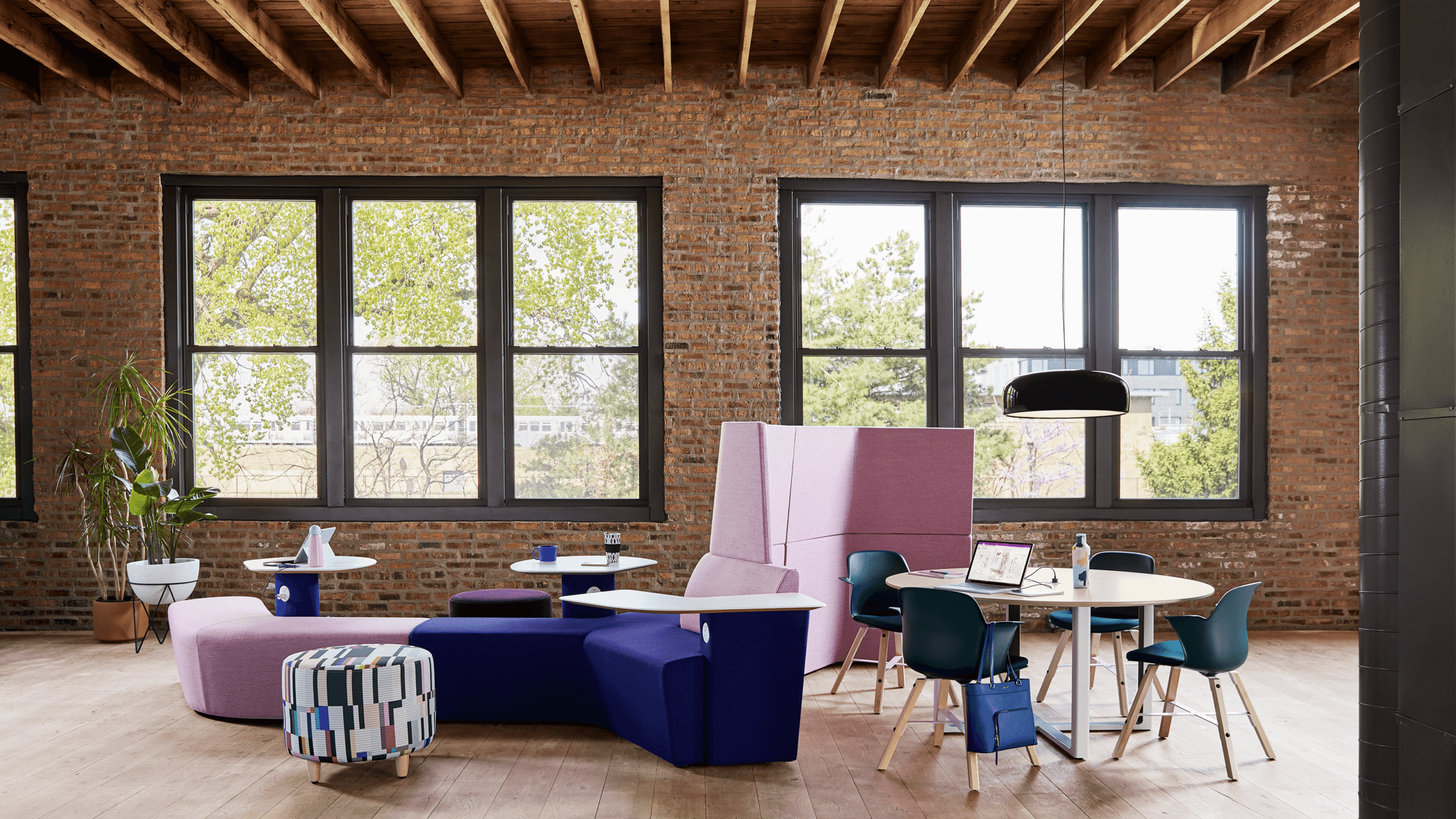
Provide a collection of social spaces so people can switch quickly from formal to informal conversations or spontaneous exchanges, and make sure those places are inspiring as well as functional. Do not forget to embed technology that helps people feel closer to distributed team members.
5. Advance your purpose
People feel more engaged when they understand how their work connects to a bigger purpose. Whether that purpose shows up as social impact or as progress on the wider business strategy, people want to feel that their work matters.
The workplace can provide visual cues and reminders about an organisation's values and about what is being done to achieve its overall goals.
Turning the five into a plan
Thanks to the studies of Rand Corp., Harvard Medical School and the University of California in Los Angeles, which highlighted the extent of workplace stress and its impact on physical and mental health, a lot is already known about feeling better at work. Applying it is the part most organisations skip. A simple sequence helps:
- Audit what your floor currently offers: places to focus, to move, to meet informally and to rest.
- Name the gap that people complain about most, and fix that one first.
- Add one setting per need rather than one big refurbishment, then observe what gets used.
- Give people permission as well as furniture, because a standing desk nobody dares to raise changes nothing.
- Review after a few months and adjust, since needs shift as teams and ways of working change.
Scroll or drag
Frequently asked questions
Design decides whether people can move, focus, connect and rest during the day. Offices that offer only one setting force everyone into the same posture and the same level of stimulation.
Energy depletion or exhaustion, increased mental distance or cynicism about your job, and reduced productivity at work.
Stanford University found that walking increased creative output by an average of 60%, while sitting can slow brain activity.
Adding enclosed places to break away. Stand-alone pods are simple to install and easy to move, and they give people somewhere to focus without leaving the floor.
Want your office to support your people instead of draining them?
Get in touch with Alternativ to look at your floor together.