
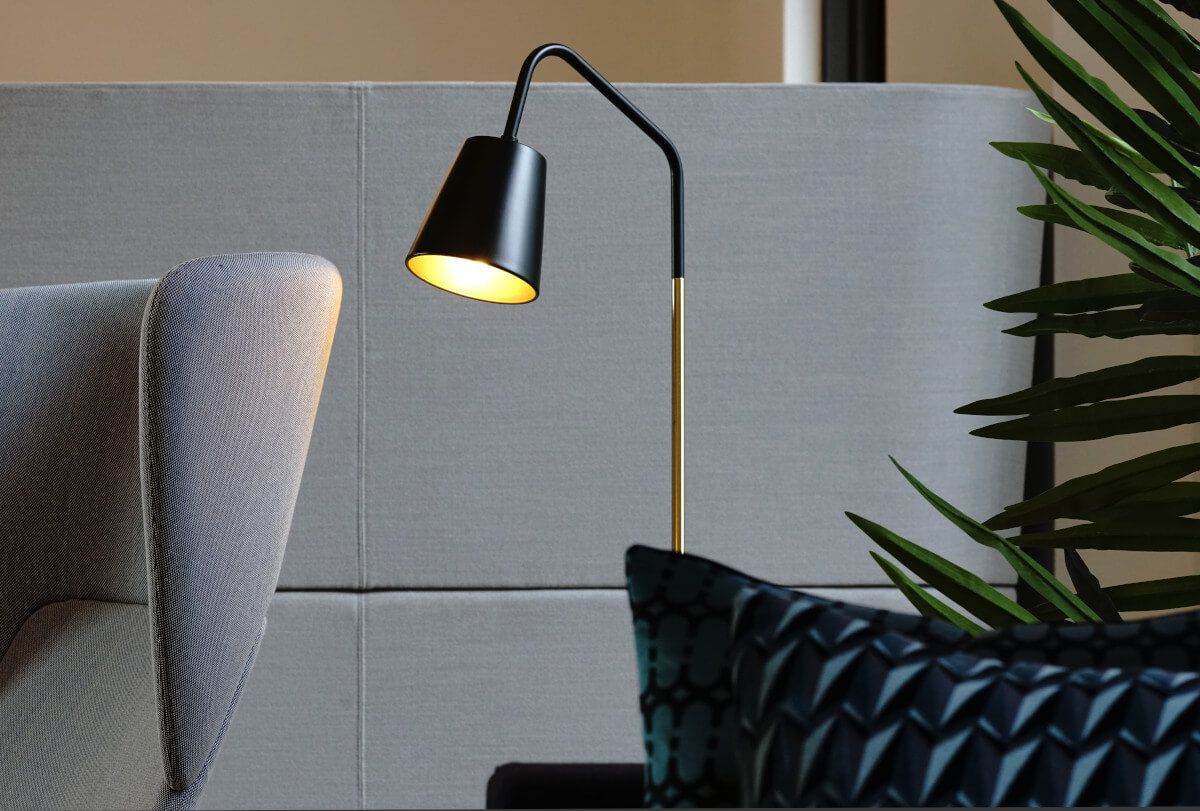
Healthy office design: Four pillars for a workplace that supports people
Work takes up a large share of most people's lives, which makes the health of the environment they work in more than a nice ambition. Workplace health is not simply the absence of illness; it is a state of physical, mental and social wellbeing that fits the job. Four design pillars carry most of the weight: ergonomics, acoustics, biophilic design and focus zones.
1. Ergonomics: the foundation of physical health
An ergonomic environment supports physical health and helps prevent musculoskeletal problems. It is also the pillar where poor decisions show up fastest, usually as complaints about backs, necks and wrists.
Three things matter most:
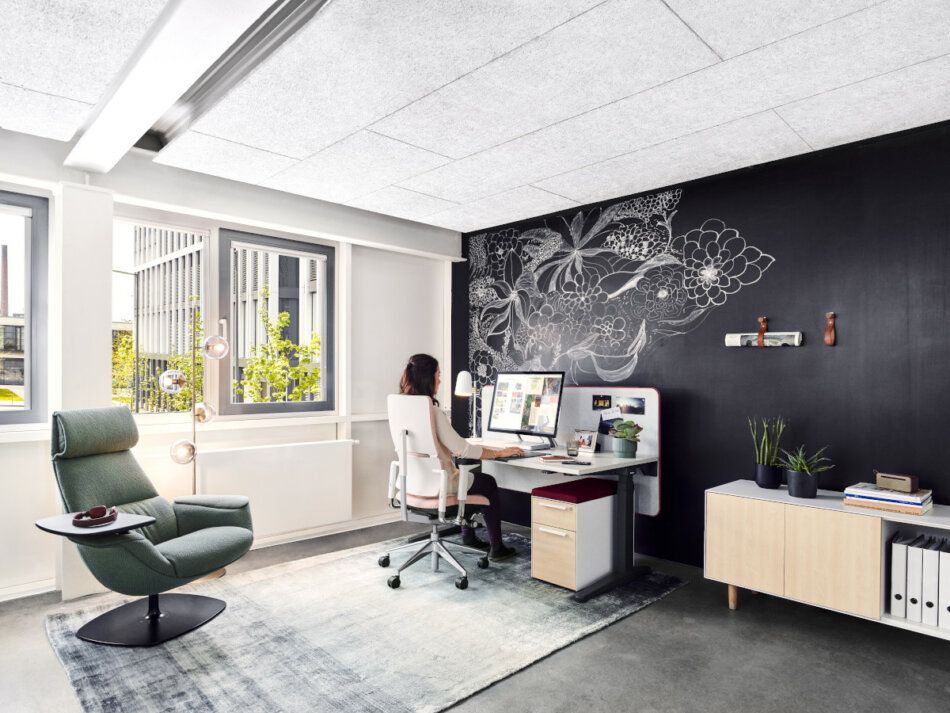
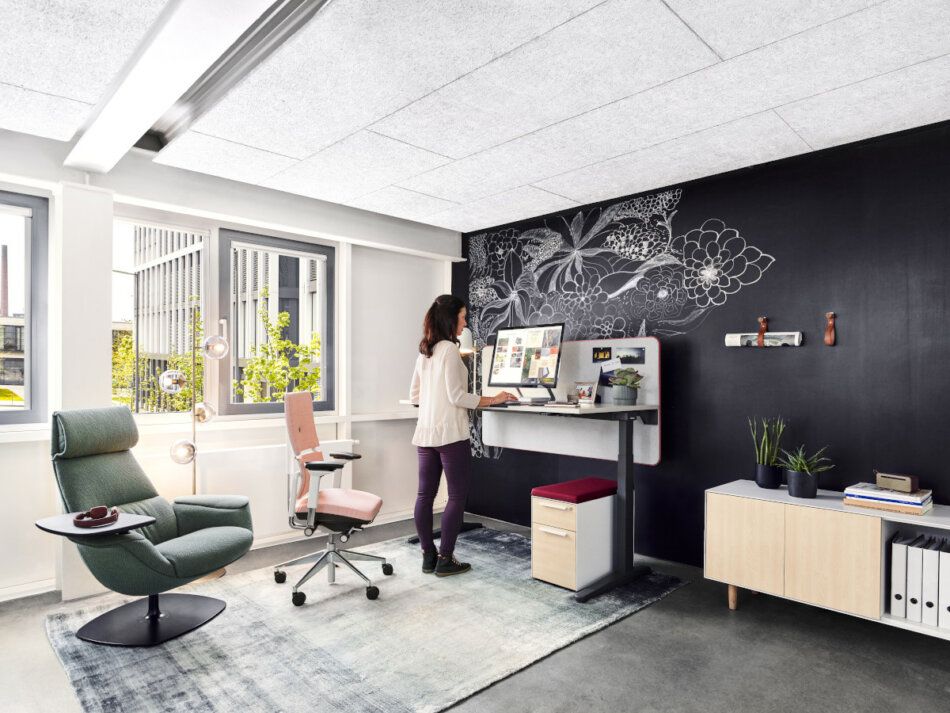
- Ergonomic workstations. Provide adjustable chairs and desks so people can set their own working position. Height-adjustable desks allow both sitting and standing, which encourages movement and reduces prolonged sitting.
- Proper seating. Choose chairs with lumbar support, adjustable armrests and comfortable cushioning, and encourage people to sit with their feet flat on the floor in a relaxed posture.
- Monitor placement. Position screens at eye level, roughly an arm's length away, to prevent neck strain and support good posture.
2. Acoustics: a soundscape people can work in
Noise is detrimental to wellbeing and productivity, and in open-plan offices it is the complaint that comes up most often. Acoustic design works on three fronts at once.
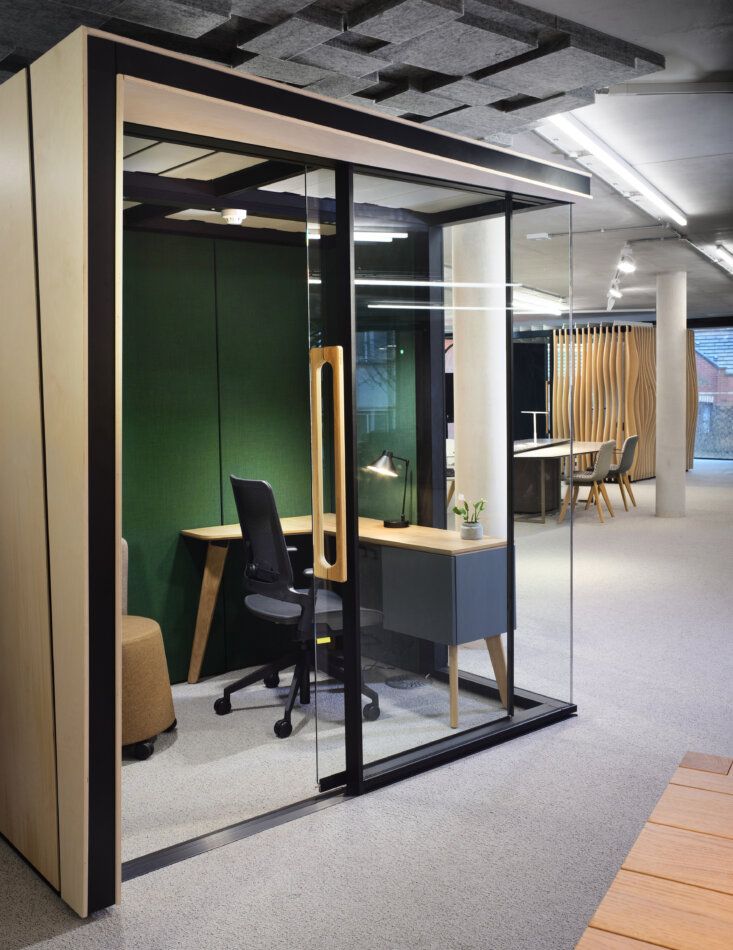
Sound-absorbing materials such as acoustic panels, carpets or curtains reduce reverberation and quieten a room. Enclosed meeting rooms and phone booths give people somewhere for focused conversations or private calls, which removes the loudest activity from the open floor. White noise systems add a gentle background sound that masks distracting speech and makes neighbouring conversations less intelligible.
Used together they solve most problems. Used one at a time they rarely do, which is why acoustic complaints often survive a refurbishment.
3. Biophilic design: bringing nature indoors
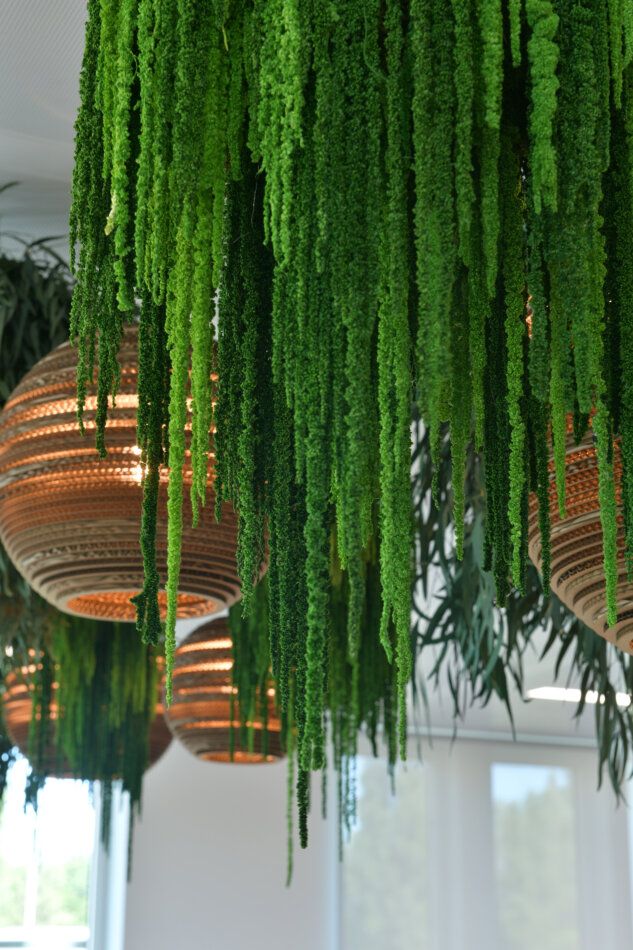
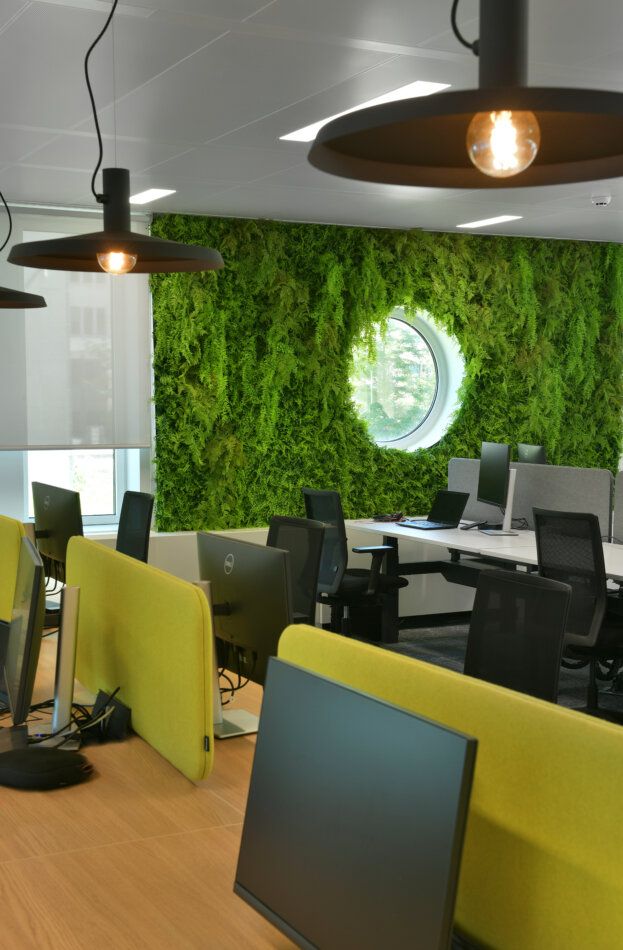
Nature has a strong influence on how people feel, which is why natural elements belong in an office plan rather than in the decoration budget. Living walls, indoor greenery and views outside build a connection with nature that lifts mood, lowers stress and makes a workspace healthier.
Practical ways to apply it:
- Indoor plants. Potted plants and green walls throughout the workspace improve air quality and create a calmer, more appealing environment.
- Natural materials. Wood, stone and bamboo in furniture, flooring and decor add warmth, texture and a sense of nature.
- Views of nature. Maximise access to daylight and outdoor green views, and position workstations near windows so people benefit from natural light.
4. Focus spaces: designated areas for concentration
Dedicated spaces for concentrated work help people avoid distraction and protect their mental wellbeing. Two elements make them work.
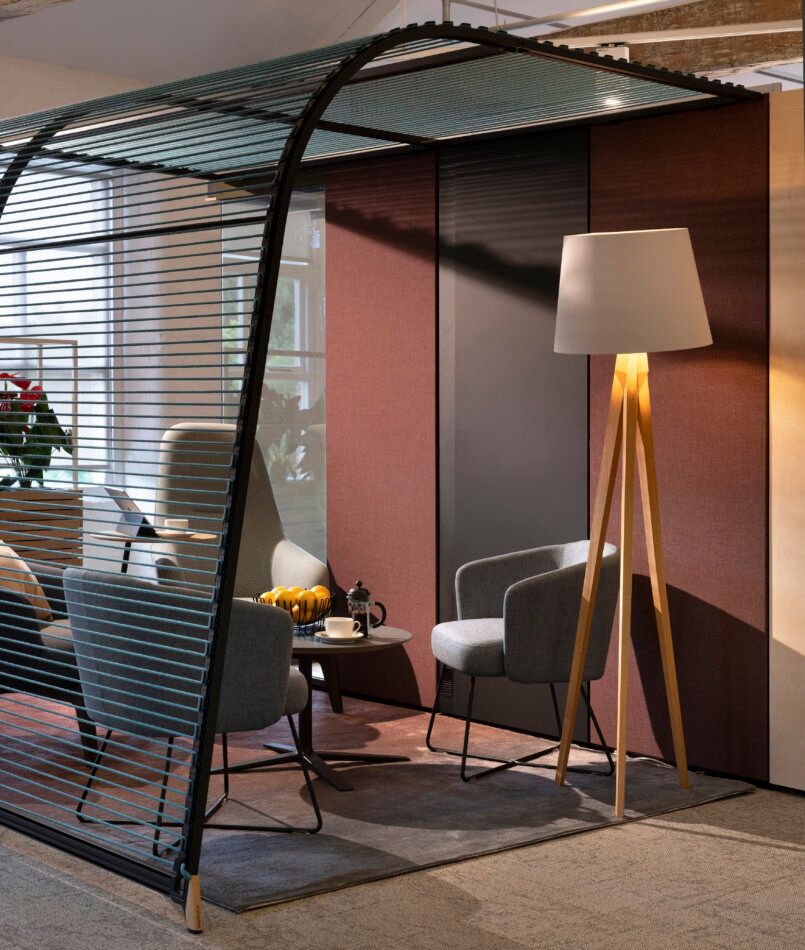
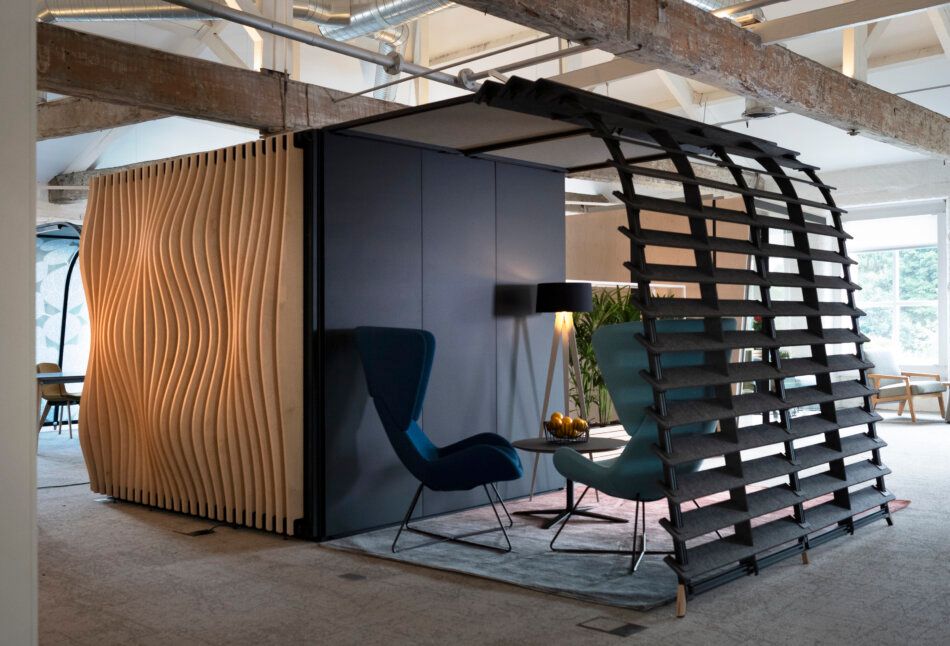
The first is the space itself. Establish quiet areas where people can retreat for uninterrupted work or a moment of rest, furnished with comfortable seating, soft lighting and sound-absorbing materials.
The second is the culture around it. Encourage people to use focus spaces when they need deep concentration, and make it normal for colleagues to respect the need for quiet there. When a focus-oriented culture supports the design, people feel backed up in protecting their attention, and the quality of their output reflects it.
Where to start when you cannot do everything
Few organisations tackle all four pillars at once. A sensible order of work usually looks like this:
- Fix ergonomics first, because it is the cheapest to correct and the most expensive to ignore
- Deal with the loudest acoustic problem next, usually calls taken in the open plan
- Add focus zones before adding more meeting rooms; the shortage is often concentration, not meetings
- Bring in greenery and natural materials as part of any refurbishment rather than afterwards
- Ask your teams which of the four bothers them most, then check that against what you observe
Health as a design decision
Ergonomic workstations, considered acoustics, biophilic elements and dedicated focus spaces together improve wellbeing, satisfaction and performance. None of them is decorative, and all of them are decided at the design stage, when changes are still cheap.
Alternativ combines office design with workplace consultancy so these four pillars are built into the plan rather than retrofitted once people complain.
Scroll or drag
Frequently asked questions
Ergonomics, acoustics, biophilic design and dedicated focus zones. Together they cover physical, mental and social wellbeing at work.
Adjustable chairs and desks, lumbar support and adjustable armrests, feet flat on the floor, and a monitor at eye level about an arm's length away.
Bringing natural elements into the workspace: indoor plants and green walls, natural materials such as wood and stone, daylight and views of greenery.
Only partly. They need a culture where using them is normal and where colleagues respect the need for quiet inside them.
Want to rethink your workspace around the health of your teams?
Contact Alternativ to explore what is possible.