
Art in the workplace: The design element most offices forget
Companies spend months choosing furniture and flooring, then hang whatever is left over on the walls. Art is usually the last decision and the first to be cut, yet it is the element people look at all day. Used deliberately, it shapes creativity, atmosphere and how outsiders read your company. Here is how to use it well.
1. Art sparks creativity and new thinking
Art has the power to trigger creativity. When people are surrounded by visually stimulating work, it prompts inspiration and encourages them to look at problems differently.
Paintings, sculptures and photographs can provoke new perspectives and spark fresh ideas inside a workspace. That is not a decorative benefit. Teams that see things from more angles tend to find better solutions, which shows up in both problem-solving and output.
2. Art makes a space feel welcoming
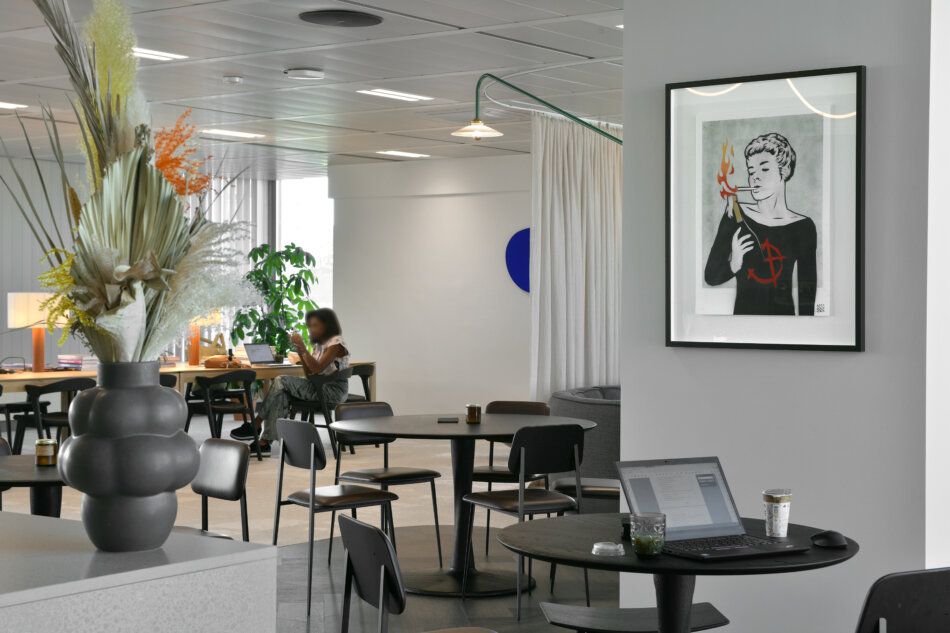
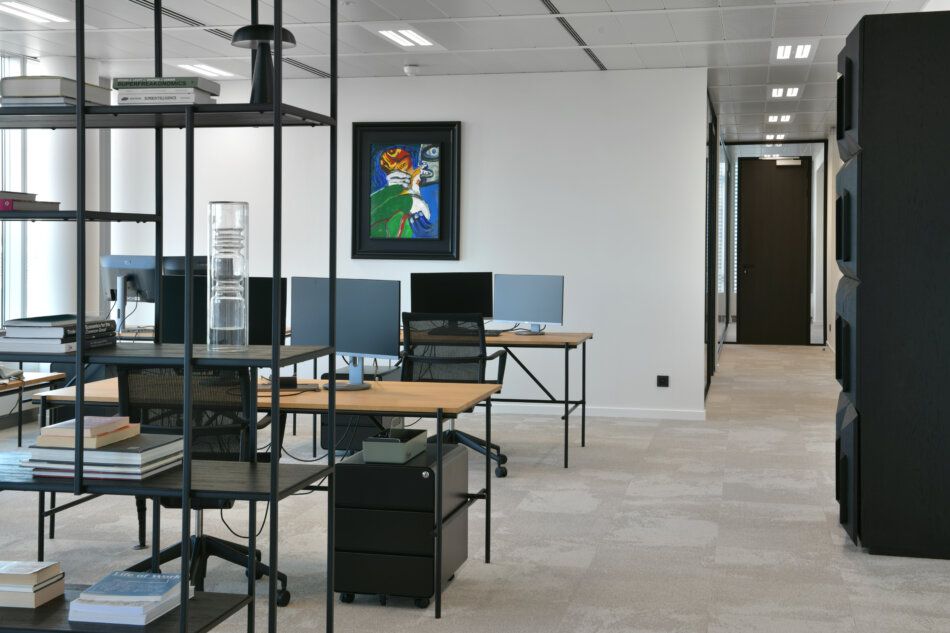
Art plays a real role in establishing a positive and welcoming environment. Choose work that aligns with your organisation's values, mission and culture and the space starts communicating identity on its own, which gives people a sense of belonging.
There is a simpler effect too. Artwork warms up an interior that would otherwise read as purely functional, making the office more appealing and more comfortable to spend a day in. A well-designed and visually pleasing environment lifts morale, job satisfaction and general wellbeing.
3. Art supports focus and productivity
Studies have shown that art can reduce stress levels, improve cognitive function and increase overall job satisfaction.
In a working environment that translates into something practical. A visually engaging space supports relaxation, lifts mood and reduces the low-level distraction of a blank, uniform interior, which makes it easier for people to concentrate on the task in front of them.
4. Art shows what your company stands for
Art gives organisations a way to show their values, culture and brand identity without a single line of copy. Choose pieces that align with those core elements and the message reaches both employees and visitors.
It can act as a visual representation of the company's mission and ambitions, which builds a sense of purpose and pride internally. Externally, it leaves an impression on clients, partners and candidates that reinforces what you say about yourselves elsewhere.
How to choose art for an office
Selecting artwork should be a thoughtful and strategic process, where the pieces resonate with the organisation's goals and ambitions. A few practical guidelines help:
- Start with the story you want the space to tell, then look for work that tells it
- Match the scale to the wall; small pieces on large surfaces look like an afterthought
- Vary the energy by zone: livelier work in collaboration areas, calmer pieces near focus zones
- Consider local and emerging artists, which adds a connection to place and to community
- Involve employees in part of the selection so the collection feels shared rather than imposed
- Plan lighting for the artwork, because badly lit work reads as neglected
Mistakes that waste the budget
Art fails in offices for reasons that are easy to avoid:
- Buying pieces to fill walls rather than to say something
- Hanging everything at the same height in the same style, so nothing stands out
- Putting the strongest work in the boardroom where almost nobody sees it
- Choosing art that contradicts the culture the company claims to have
- Treating the collection as finished, rather than rotating pieces over time
From decoration to design decision
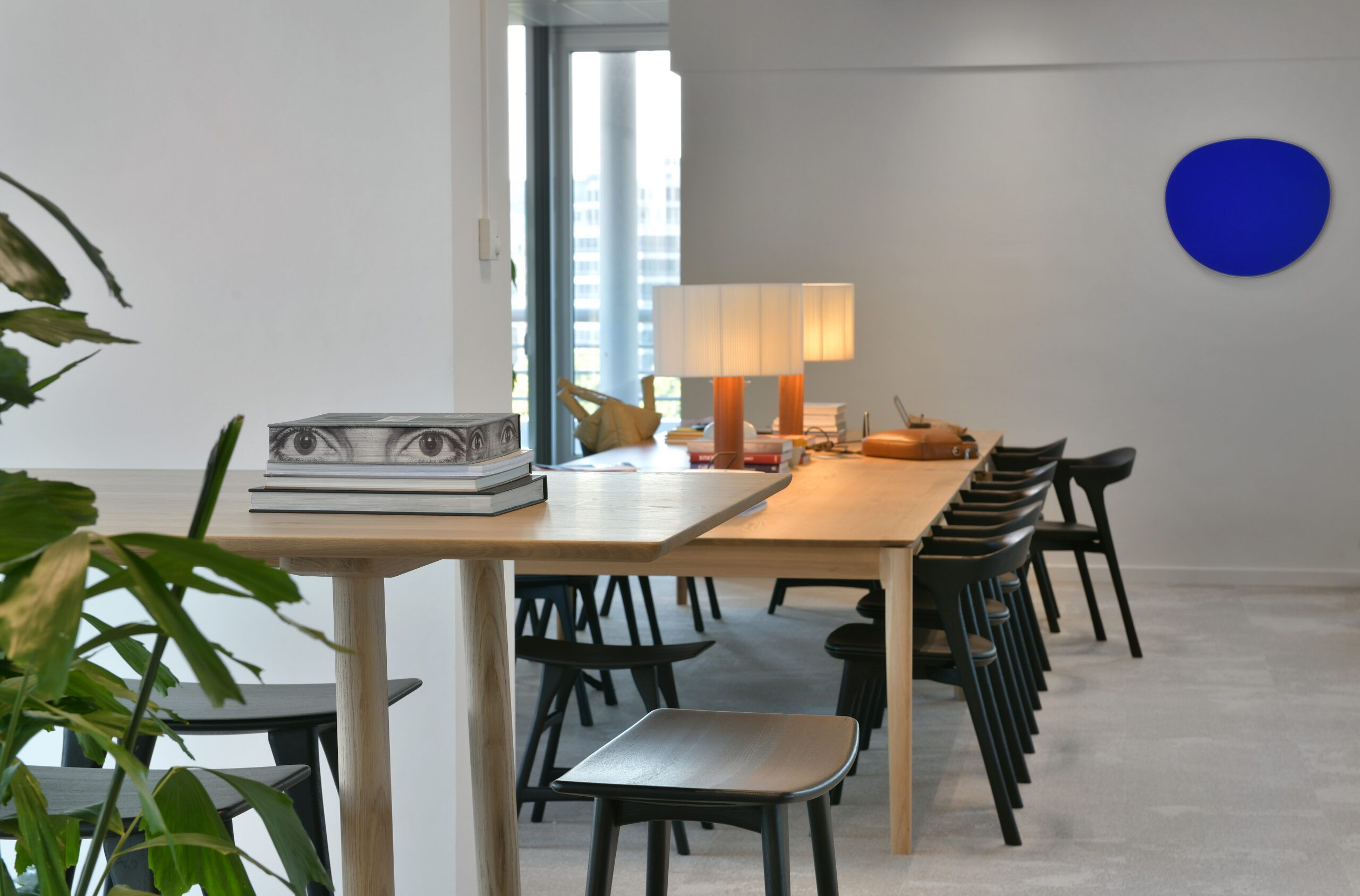
Art in the workspace is far more than decoration. It can turn a functional interior into an environment that inspires people, supports how they feel and connects them to the work.
Handled as part of the design brief rather than as an afterthought, it earns its place alongside layout, lighting and acoustics. Alternativ builds that thinking into office projects from the start.
Scroll or drag
Frequently asked questions
It supports creativity, makes the space more welcoming, helps people concentrate, and communicates company values to employees and visitors alike.
Studies have shown art can reduce stress, improve cognitive function and increase job satisfaction, all of which support concentration at work.
Start from your values, mission and culture, then select pieces that reflect them. The selection should be strategic rather than decorative.
Where people actually pass and gather: entrances, circulation routes and shared areas. Match the energy of the work to the function of each zone.
Thinking about the role art could play in your workspace?
Alternativ is happy to help you rethink the environment.