
Working away from the desk: Why your office needs more than workstations
If your people keep taking calls in corridors and turning desks into meeting tables, your floor plan is telling you something. Work moved away from the workstation years ago, and the furniture had to follow. Here is how one manufacturer read that shift early, and what it means for your own office.
A shift the office is still catching up with
In September 2018, Steelcase Inc. announced it had acquired Orangebox Group Limited, a UK-based designer and manufacturer of furniture for the changing workplace, part of a rapid expansion of products designed for new ways of working.
Orangebox was born in the summer of 2002 in the village of Hengoed, South Wales, six years after IBM's Simon Personal Communicator, the first smartphone. It was the same year BlackBerrys hit the market and five years before the Apple iPhone raised expectations of mobility at work. Far from Silicon Valley, the team still saw the signal: people wanted alternatives to working at their desk.
Technology was starting to have an enormous impact on how people worked, says Mino Vernaschi, co-founder and managing director of Orangebox. Work was quickly migrating away from the desk, and the workplace needed to respond to that fundamental shift. People needed the freedom to work where and how they wanted.
The corridor warrior: what the research found
In its first research project, the Orangebox team set out to understand why people were wandering away from their workstations and what they were looking for. They found people desperately seeking alternative places to work. The report, Office Wars and the Corridor Warrior, showed that a workplace offering only dedicated workstations in the open plan could not support the balance people need between collaboration and focus.
We saw people resorting to taking phone calls in hallways, explains Vernaschi. The rise of teamwork was also forcing people to use their desks as spontaneous meeting areas as they spent more time collaborating informally. And new generations entered the workplace with new attitudes and expectations.
That led the team to urban sociologist Ray Oldenburg's idea of the Third Place: cafes and casual spaces where people connect in a relaxed, informal setting. The question became how to bring that atmosphere into the office without losing the ability to work.
Furniture designed for work, not just for sitting
We wanted to help people get real work done away from their desks by defining a new bandwidth of furniture that helped them choose where they wanted to work, says Vernaschi.
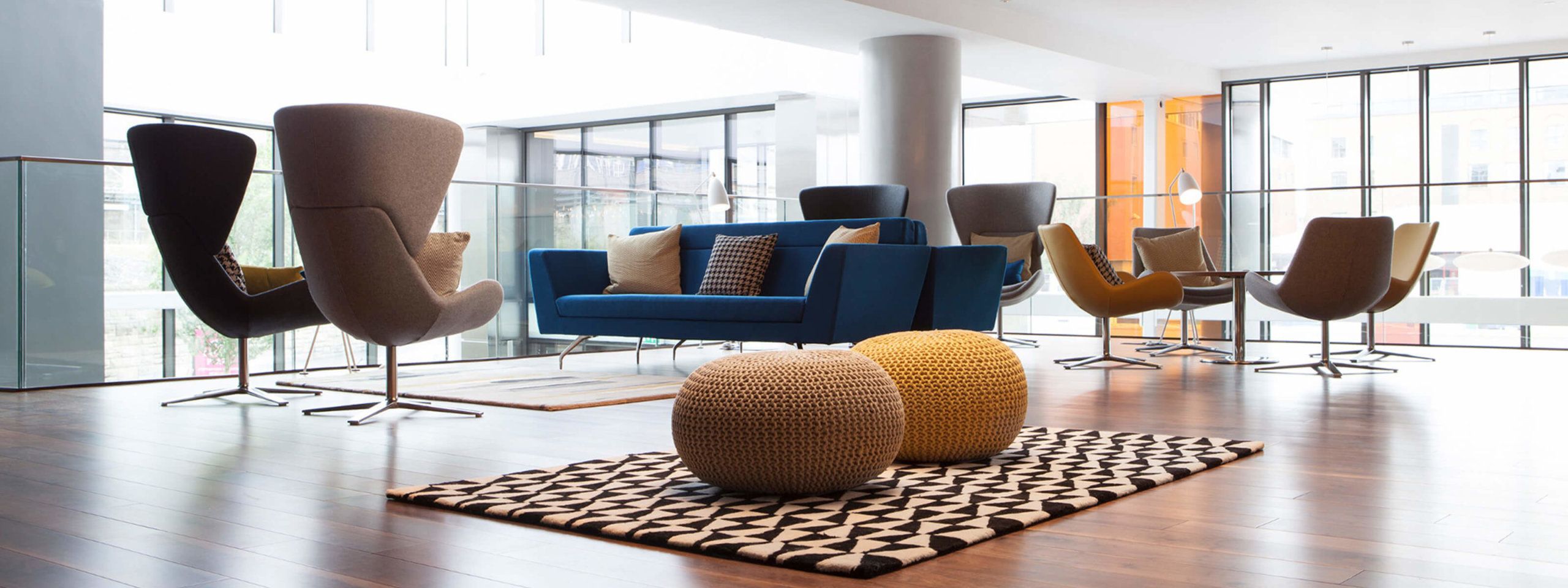
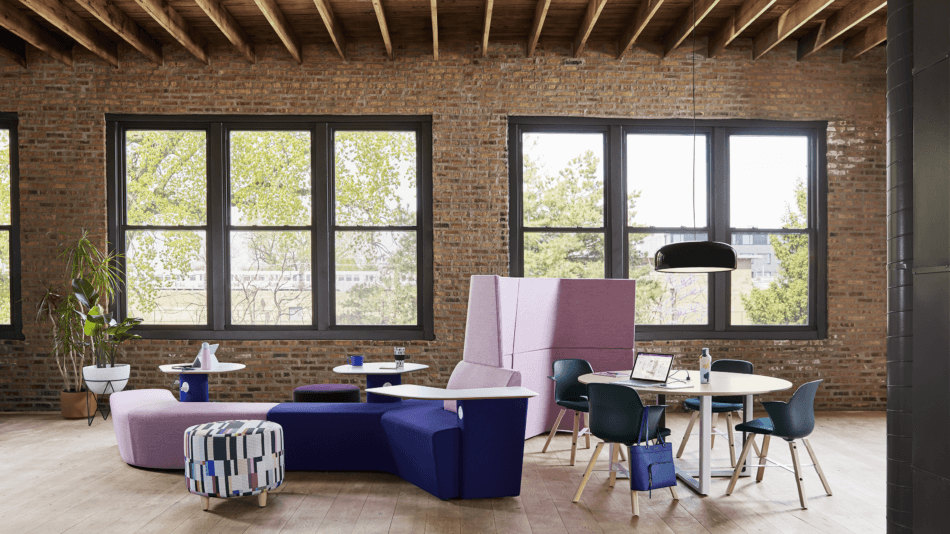
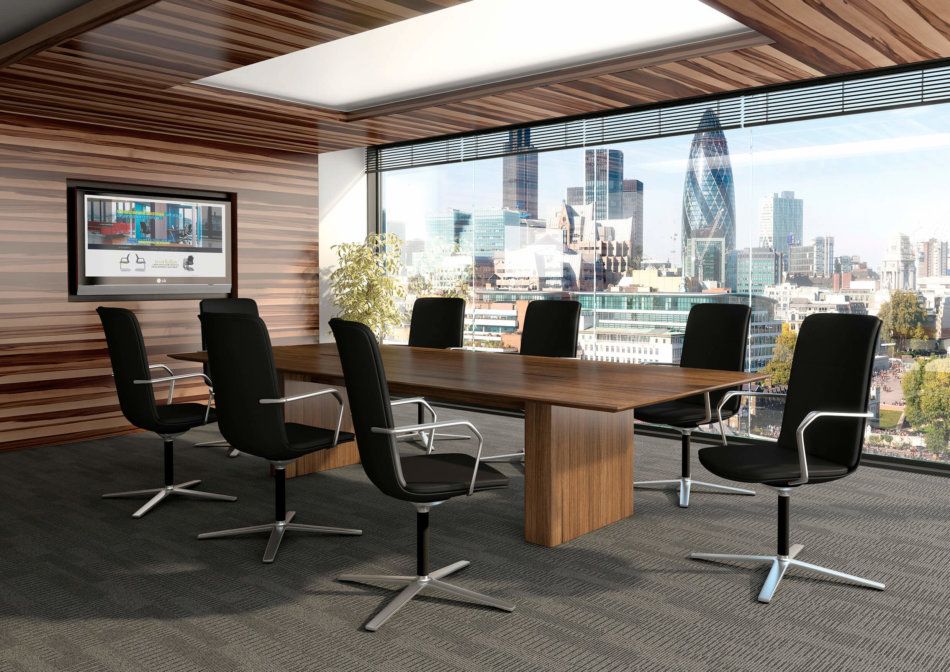
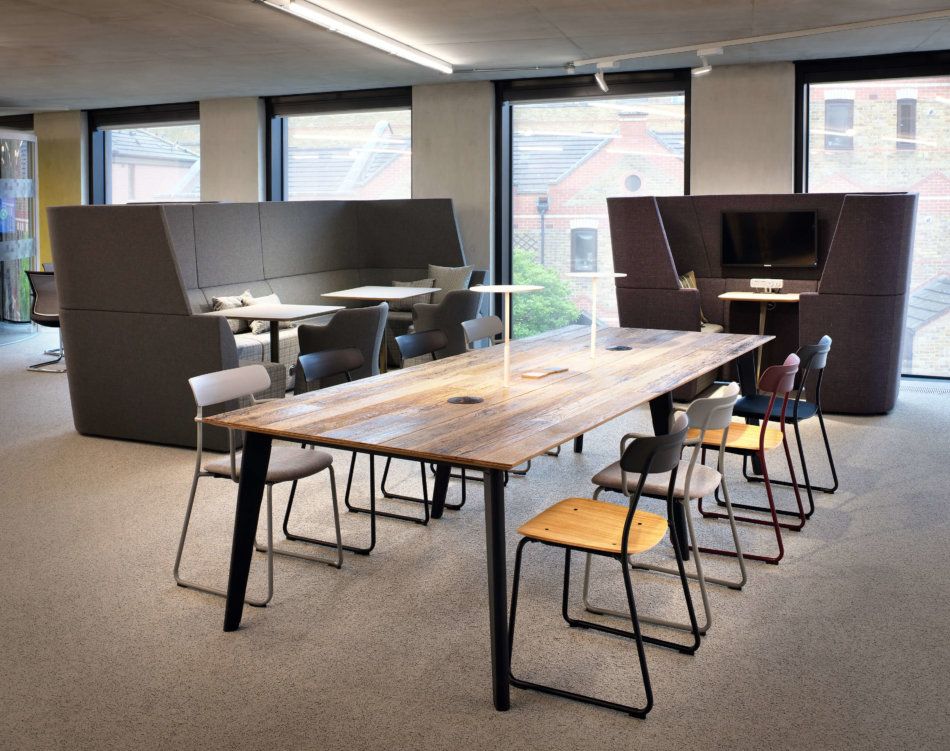
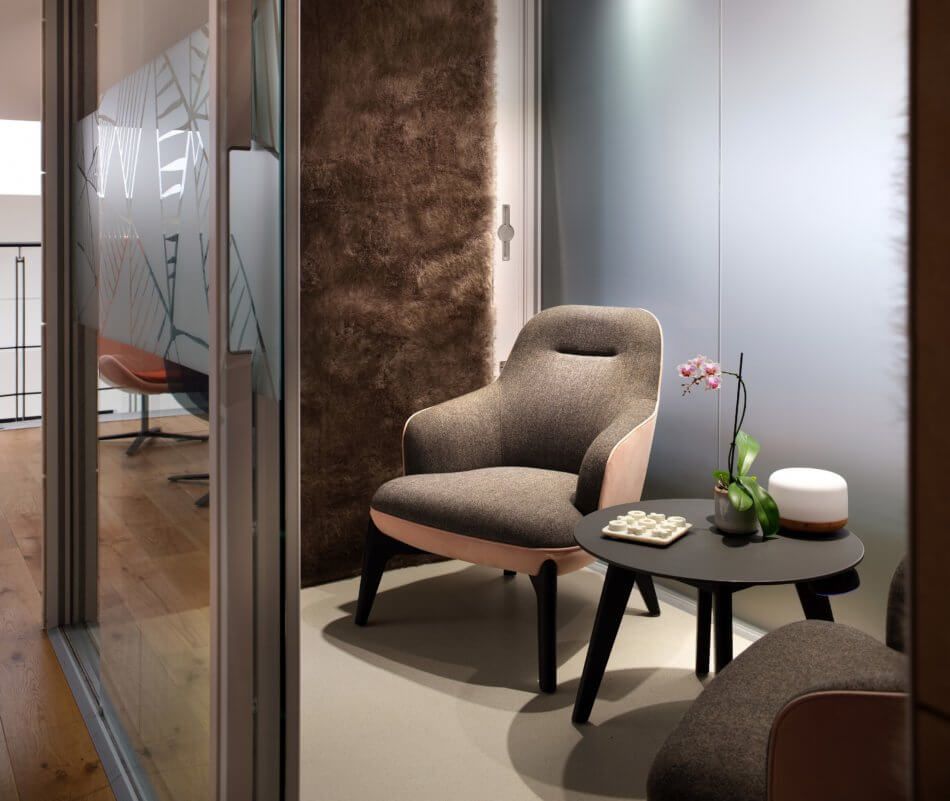
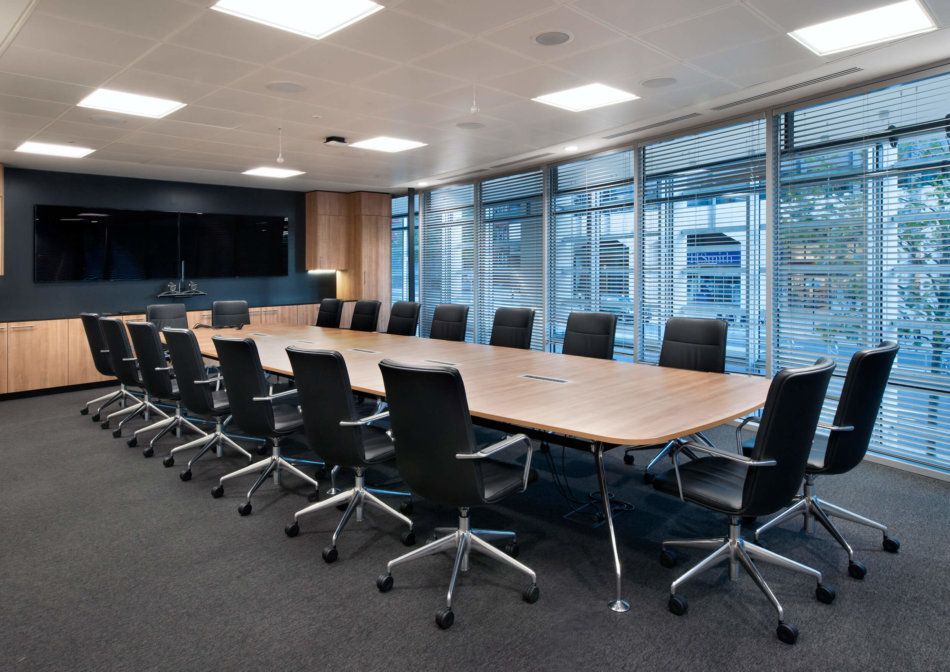
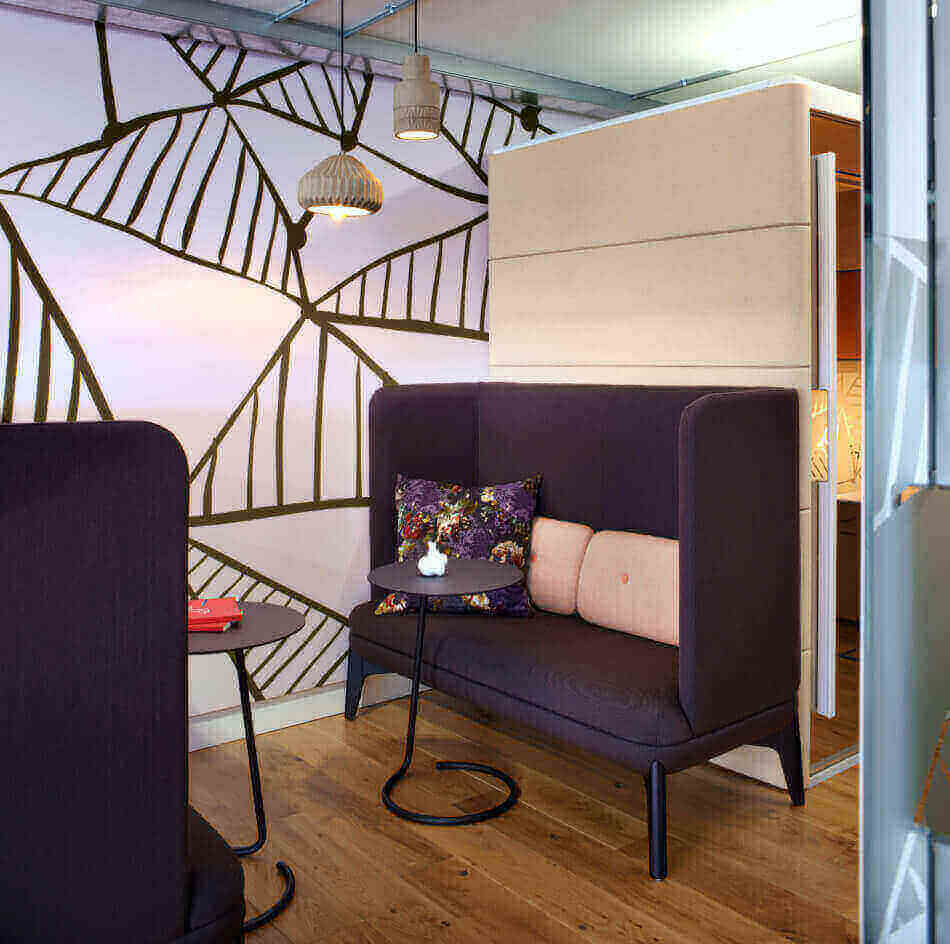
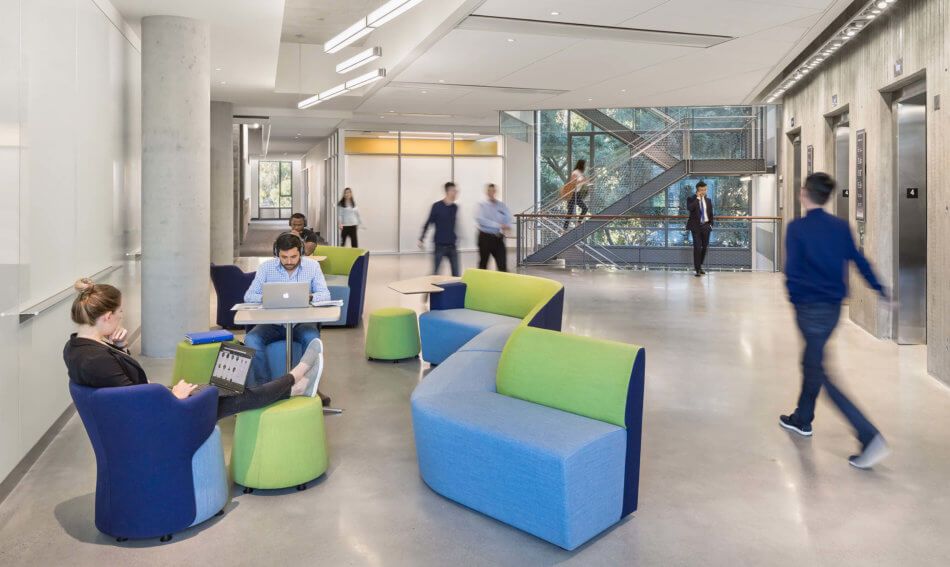
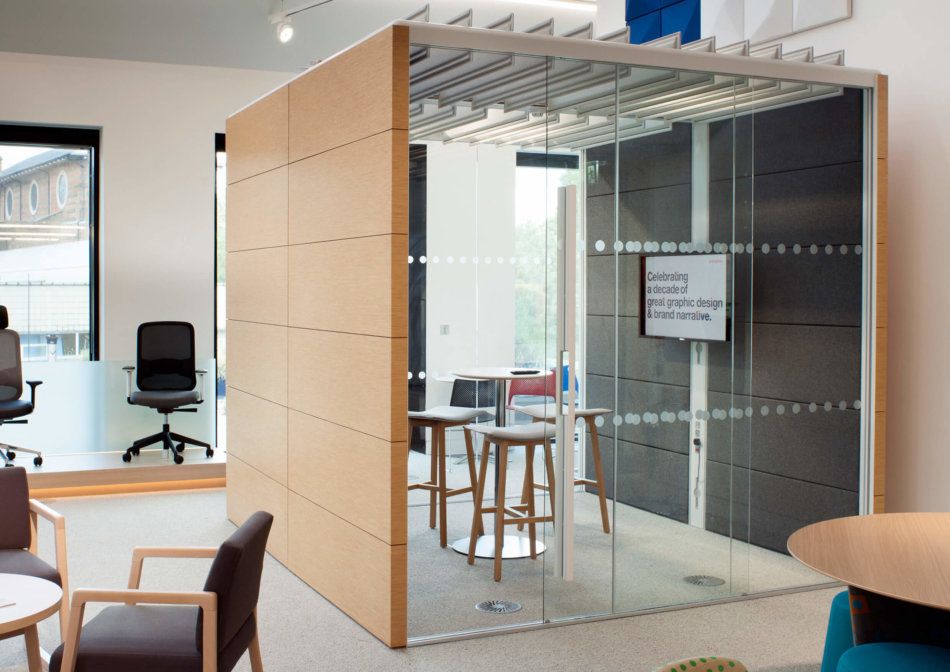
The result was movable, adaptable and scalable furniture for third spaces: modular solutions for breakout areas, meeting rooms, cafes, lounges, receptions and lobbies. The philosophy behind it was later named Smartworking.
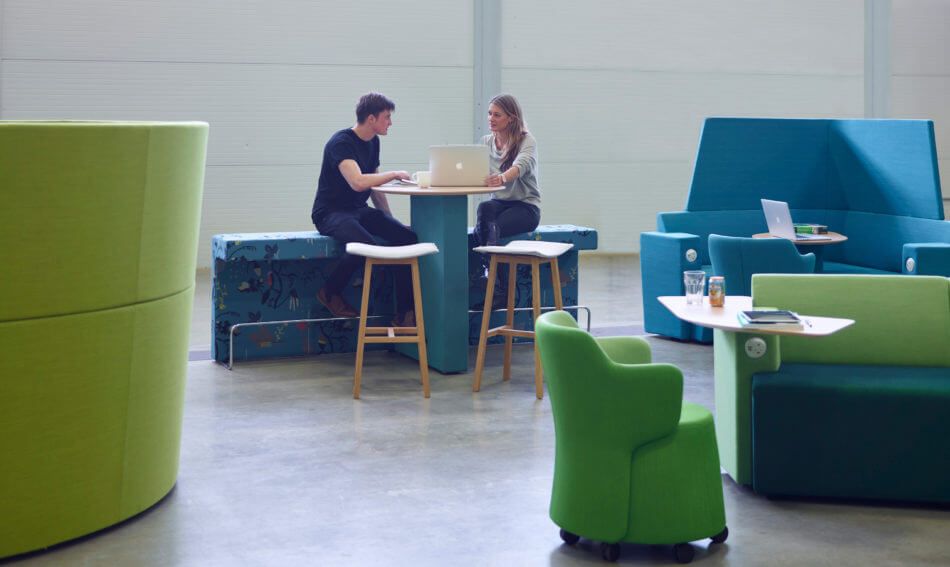
- The Away from the Desk collection, a lounge system with a firm sit that supports an upright posture, as a credible alternative to desk-based work
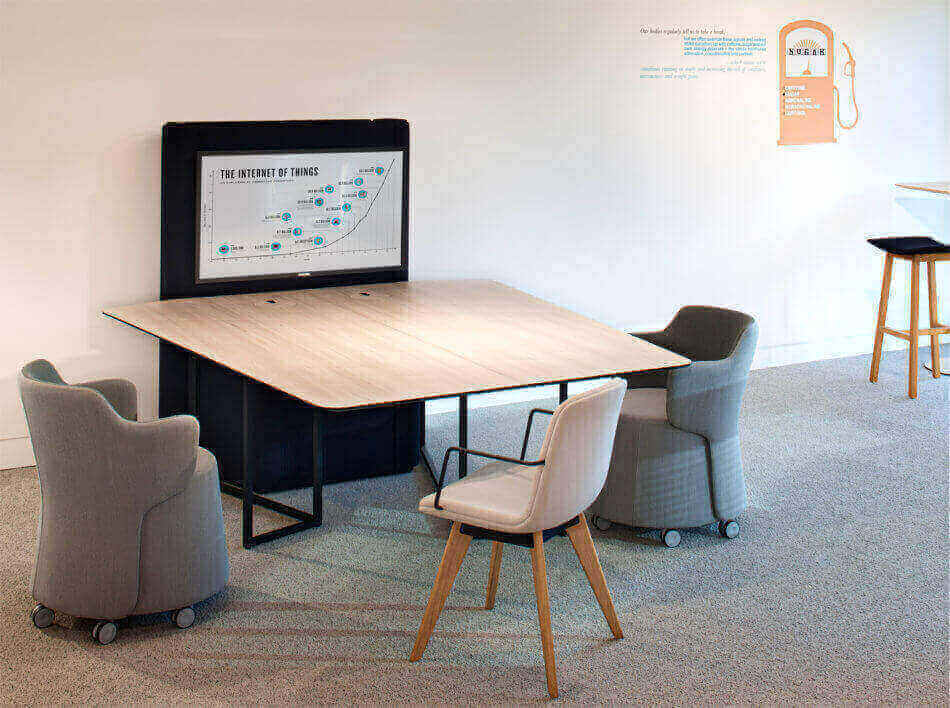
- The Active Working collection, including personal pods, seating and media tables that let people move quickly from one activity to another
The pod revolution: privacy inside the open plan
Open plan is good at bringing people together and spreading ideas across teams. It is far less good at protecting concentration, and complaints about noise and distraction escalated quickly as it spread.
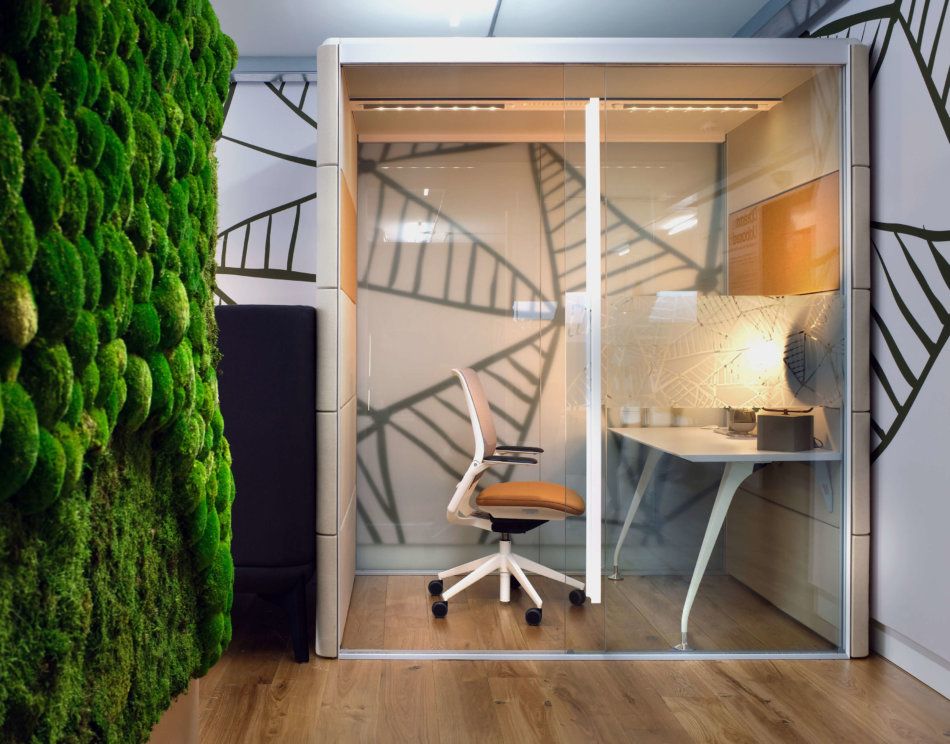
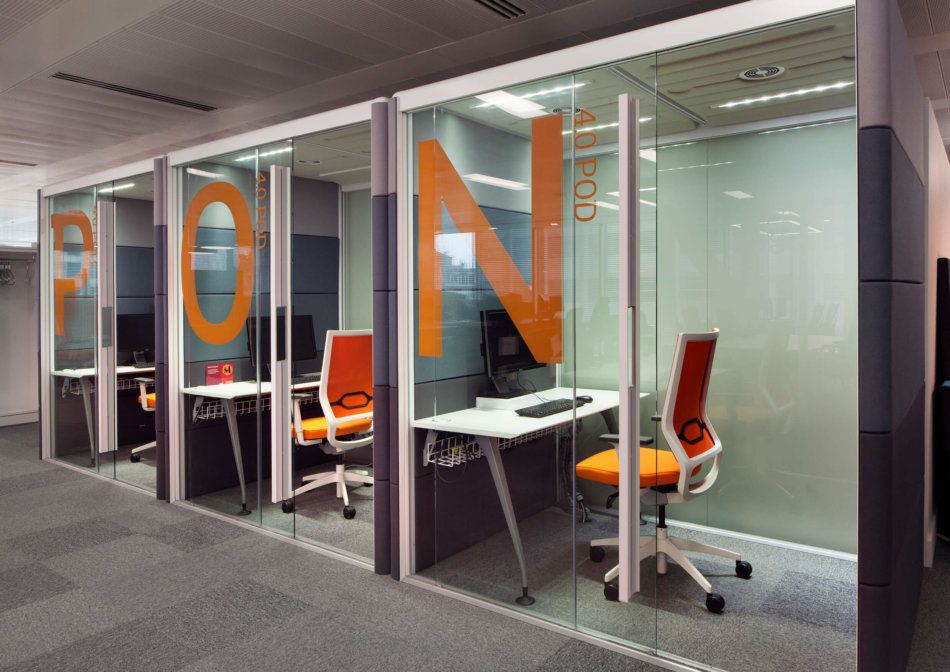
Orangebox answered with acoustic office pods. The Air office pod gave teams the privacy they needed for collaboration while also serving as a quiet place for individuals. Flexible, scalable and adaptable, pods were an easy and inexpensive way to widen the range of spaces available on a floor without rebuilding it.
What this means for your own office plan
You do not need a research department to apply the lesson. Watch where work actually happens for a week and the gaps become obvious.
- Add enclosed settings close to the teams that need them, not at the far end of the floor
- Provide postures other than the desk chair: lounge, perch and stand
- Keep the furniture movable, so the layout can follow the way teams evolve
A culture built on watching how people work
Orangebox and Steelcase have been speaking the same language for years, says Allan Smith, vice president of global marketing at Steelcase. They understood people's need for balance between privacy and the shift toward increased collaboration.
The success of Orangebox is powered by keeping up with the changes happening at work and understanding their impact on people, says Creative Director Gerry Taylor. That is the useful principle for any office project: design from observed behaviour, not from an abstract floor plan.
Scroll or drag
Frequently asked questions
A self-contained, sound-treated enclosure placed inside an open-plan office. It gives teams privacy for collaboration and gives individuals a quiet place to concentrate, without permanent construction.
It means doing real work in settings other than a workstation: lounges, breakout areas, cafes and pods. Orangebox research showed people were already doing this long before offices were designed for it.
A term drawn from sociologist Ray Oldenburg's Third Place. In an office it means informal settings such as cafes, lounges and breakout areas where people connect and still get work done.
Yes. Steelcase Inc. announced the acquisition of Orangebox Group Limited in September 2018.
Want to give your teams places to work that are not a desk?
Contact Alternativ to explore what fits your floor.