
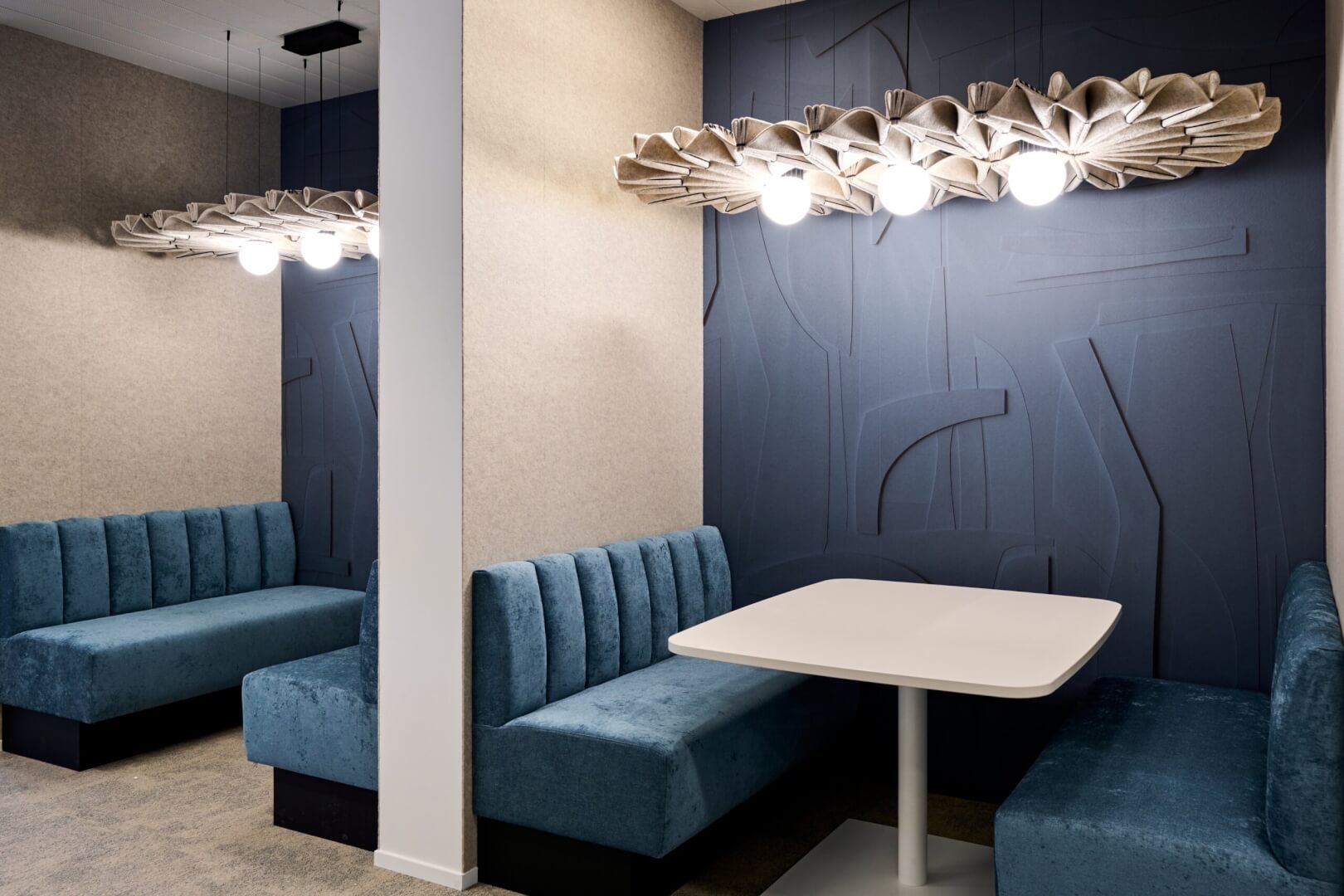
Residential office design: When comfort becomes essential at work
If your office still looks like a furniture catalogue from ten years ago, people notice. Teams that can work from anywhere now expect the office to feel as good as home, and design has followed. Residential style is not about sofas for their own sake. It is about making a workplace people choose. Here is what the trend actually involves.
Why residential style moved into the workplace
Alexia Trivière is Sales Support and Planning Manager at Alternativ. She built her expertise in high-end residential furniture before moving into professional interior design, which gives her a clear view of what offices have borrowed from the home.
For her, the shift shows up as an explosion of creativity and far more freedom in design choices. As she puts it: Offices are no longer just places of work but spaces designed to inspire, promote relaxation, and increase productivity.
The change accelerated with remote work after the pandemic. Employers realised that if people can work from anywhere, the office has to be somewhere worth travelling to. That pressure opened the door to a much wider range of concepts built around collaboration and well-being.
Creating a friendly atmosphere with warm materials
At the heart of the trend is the wish for a homey, cosy feeling inside the office. In practice that means warm materials, welcoming lighting and soft textiles rather than hard surfaces and flat ceiling panels.
Relaxation areas, recreational spaces and even gyms are now essential components of modern offices, Trivière notes. What used to be considered an extra is increasingly the baseline.
Soft seating as a real work setting
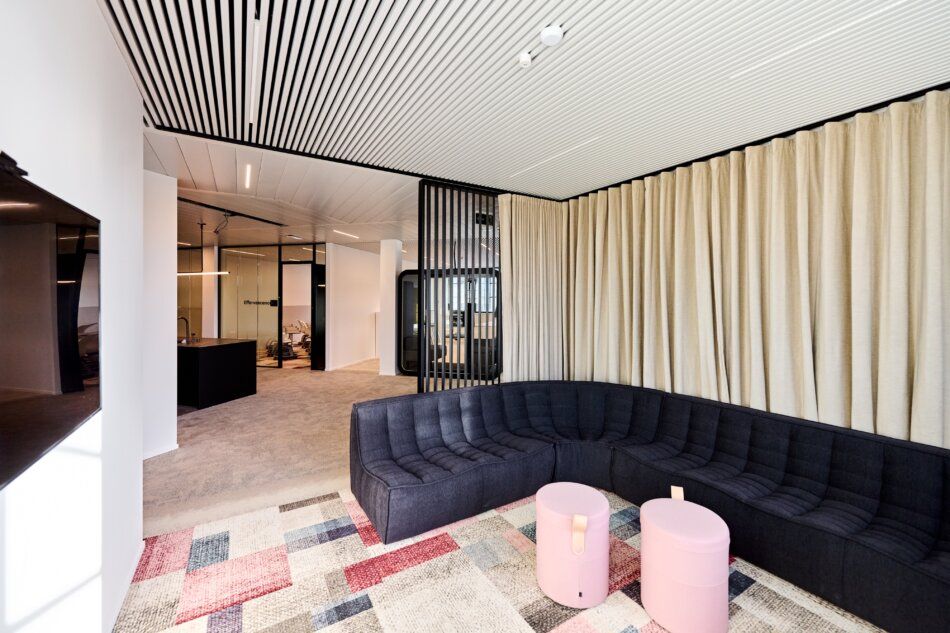
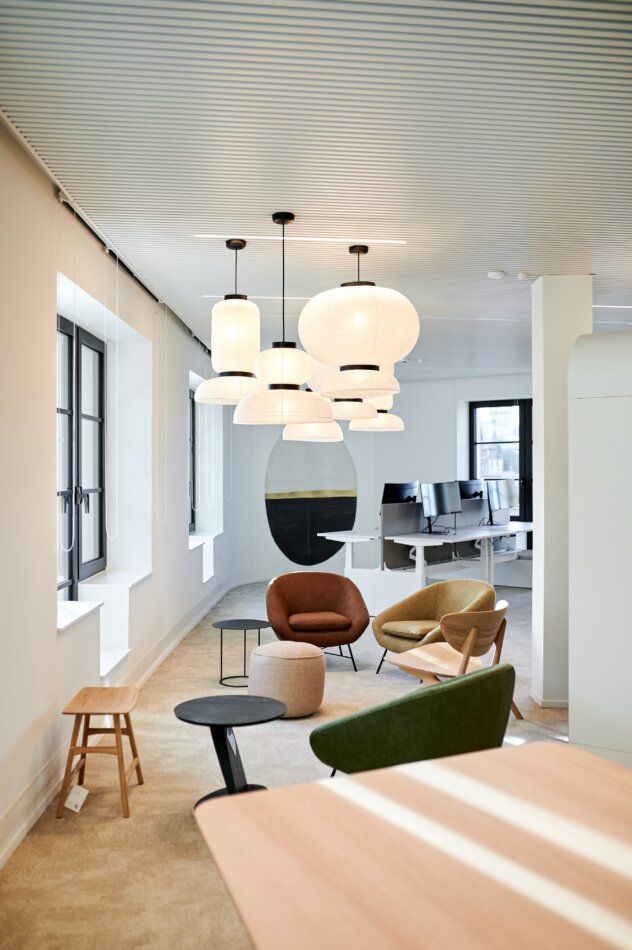
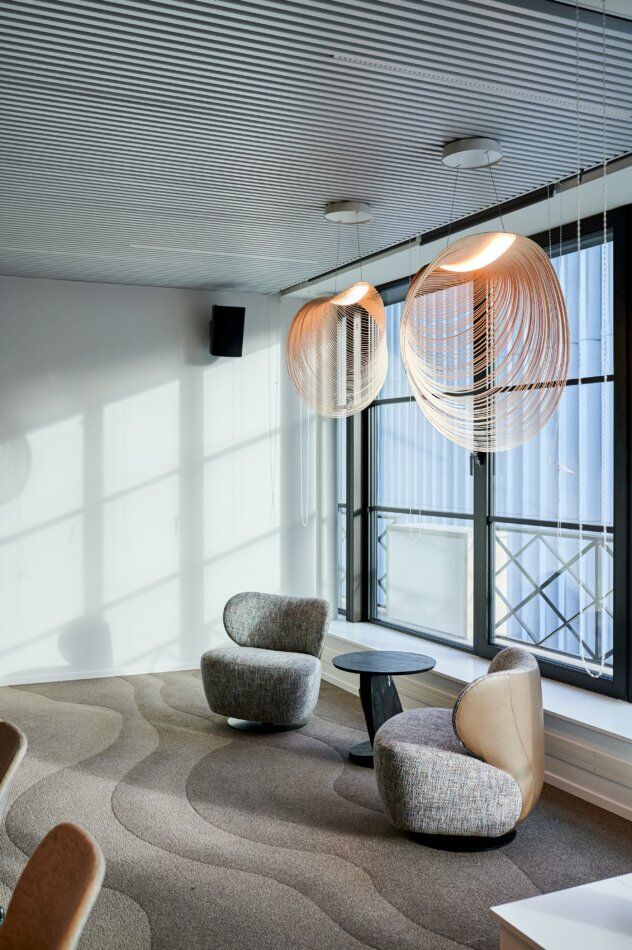
Soft seating has become one of the clearest markers of residential office design. Sofas, comfortable armchairs and ottomans create informal areas where people can sit down, talk to a colleague or work in a more relaxed posture.
These spaces do genuine work. They absorb short conversations that would otherwise occupy a meeting room, they give people somewhere to change position during the day, and they make the office feel like a place teams are comfortable in rather than assigned to.
Aesthetics in service of well-being
Furniture is now chosen for how it looks as well as how it performs. Informal meeting spaces that feel like lounges are gradually replacing traditional meeting rooms, which changes the character of the conversations held in them.
Offices are no longer just functional but also aesthetic, designed to promote employee well-being, Trivière says. Ergonomics and appearance are no longer treated as a trade-off.
The details that make the difference
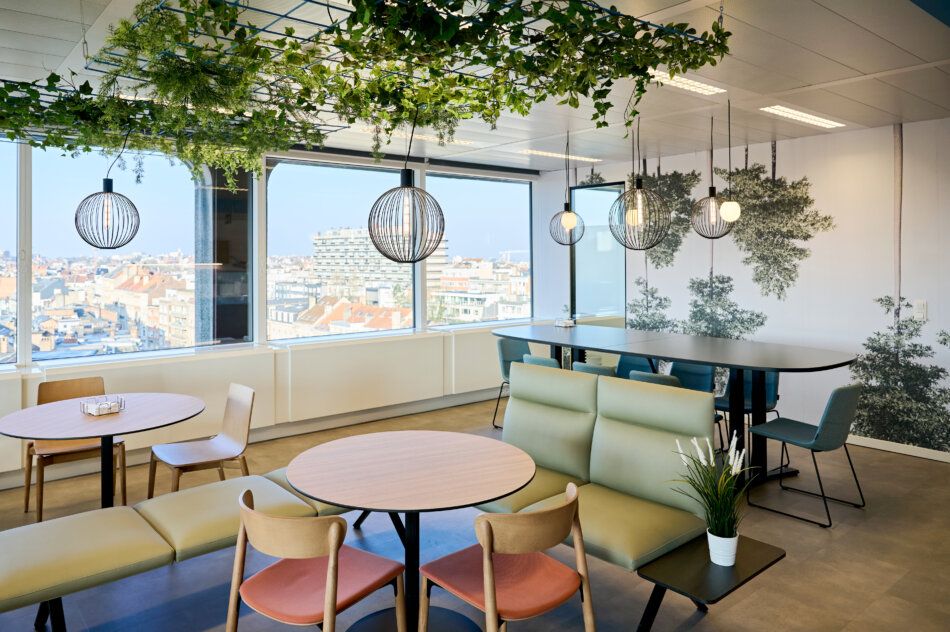
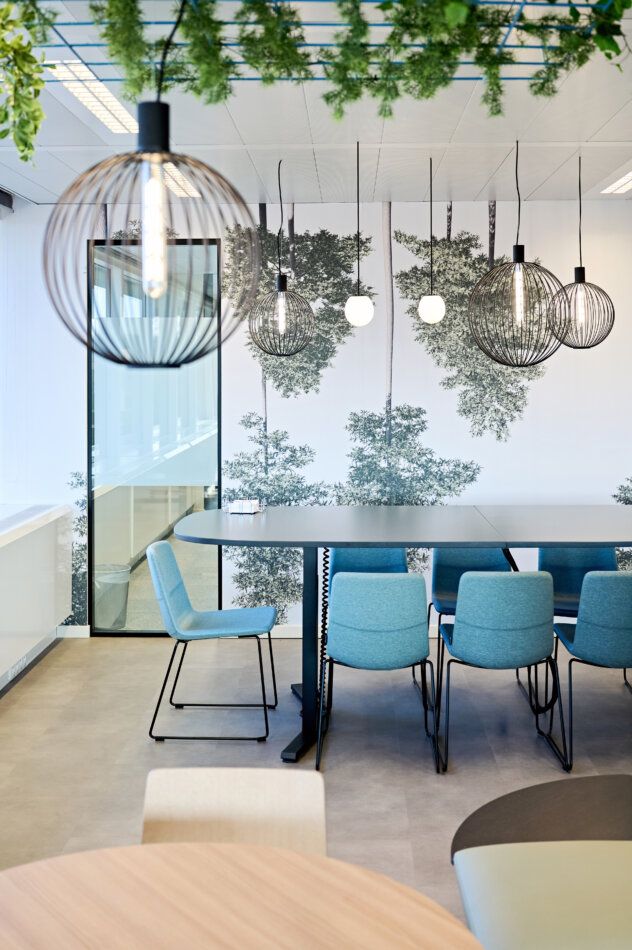
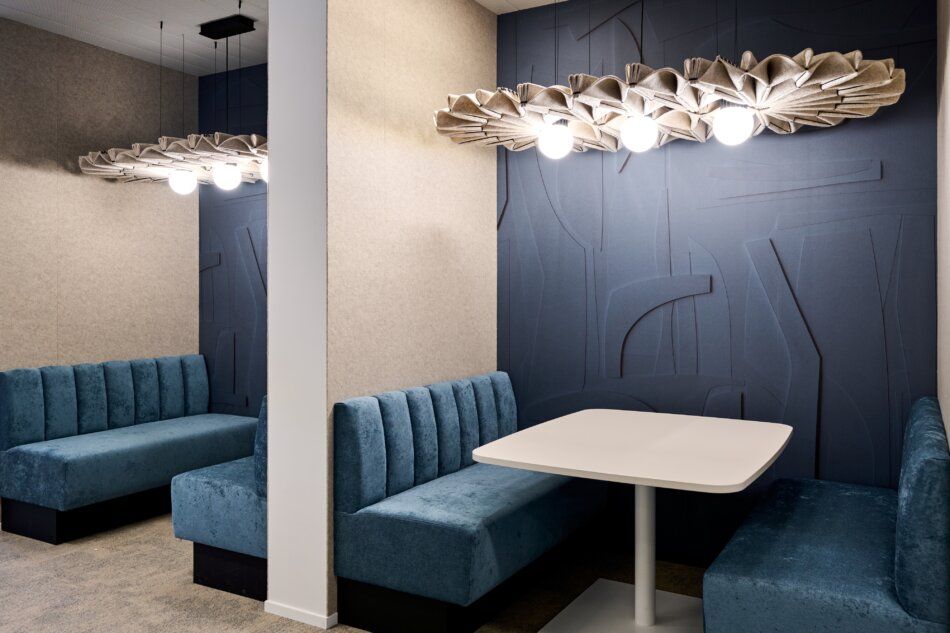
Residential style lives in the finishing layer, the part of a project most often cut when budgets tighten. According to Trivière, the distinctive features of this style include a variety of decorative lighting fixtures, comfortable seating, curtains and drapes to create a warm atmosphere, plus decorative elements such as shelves, floral arrangements and artwork to personalise the space.
She also points to the reception area and the quality of lighting. Both shape the first impression a visitor forms and the mood employees walk into every morning.
- Decorative lighting instead of uniform ceiling panels
- Textiles: curtains, drapes, rugs and upholstery
- Plants and floral arrangements in daily sightlines
- Shelving and artwork that personalise each zone
- A reception area designed as a welcome, not a checkpoint
How to apply the trend without losing function
Residential style goes wrong when comfort replaces purpose. A lounge with no power sockets, no acoustic treatment and no clear use will sit empty while people queue for the meeting rooms.
A few rules keep the balance:
- Give every soft seating area a defined purpose: informal meetings, focused solo work, breaks or client waiting
- Match acoustics to the setting, because soft furniture alone does not stop conversation travelling
- Keep ergonomic task seating for tasks that take hours; lounge chairs are for shorter stretches
- Choose contract-grade materials, since office traffic is heavier than a living room
- Test one zone before rolling the concept out across a floor
Alexia's favourites
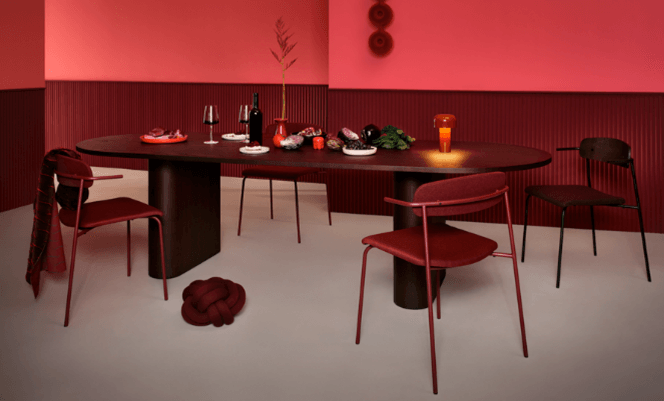
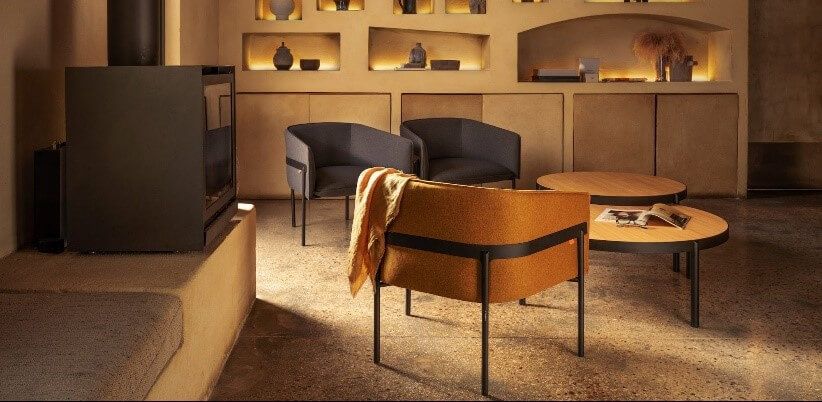
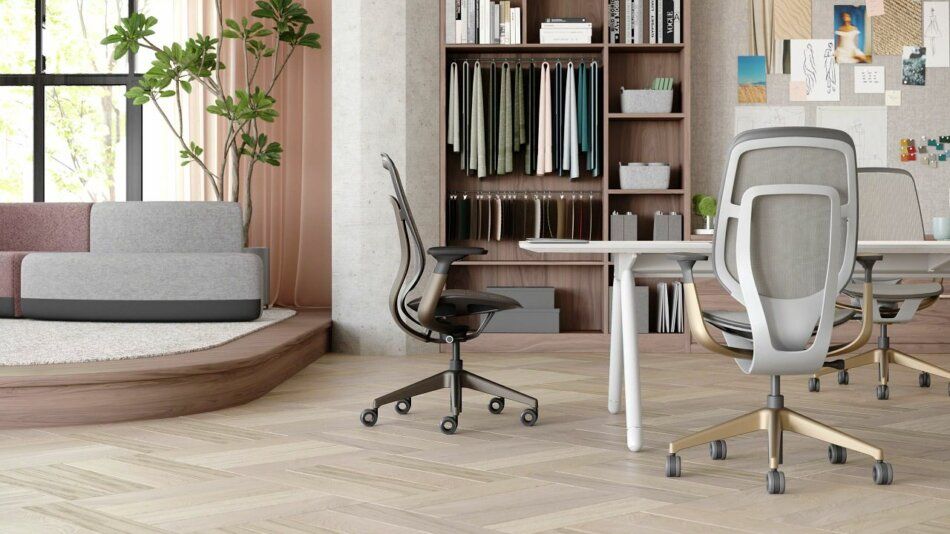
Three pieces she returns to in residential-style projects: the Kami table by Occony, the Marina lounge chair by esPattio and Karman by Steelcase.
The broader point is simple. The move towards residential style reflects a growing awareness that comfort, aesthetics and well-being belong in the design brief, not in the nice-to-have column.

Scroll or drag
Frequently asked questions
It is an approach that brings domestic qualities into the workplace: warm materials, decorative lighting, soft textiles and lounge-like seating instead of purely functional furniture.
Remote work made the office optional. Employers realised that attractive, comfortable environments are what encourage teams to come back in.
No. It complements them. Task chairs and desks still carry the long focused stretches, while soft seating supports short meetings, breaks and informal collaboration.
Lighting, textiles and the reception area. They shape the first impression and the daily atmosphere more than any single piece of furniture.
Curious how a residential feel would work in your own offices?
Contact Alternativ for a conversation about your space.