
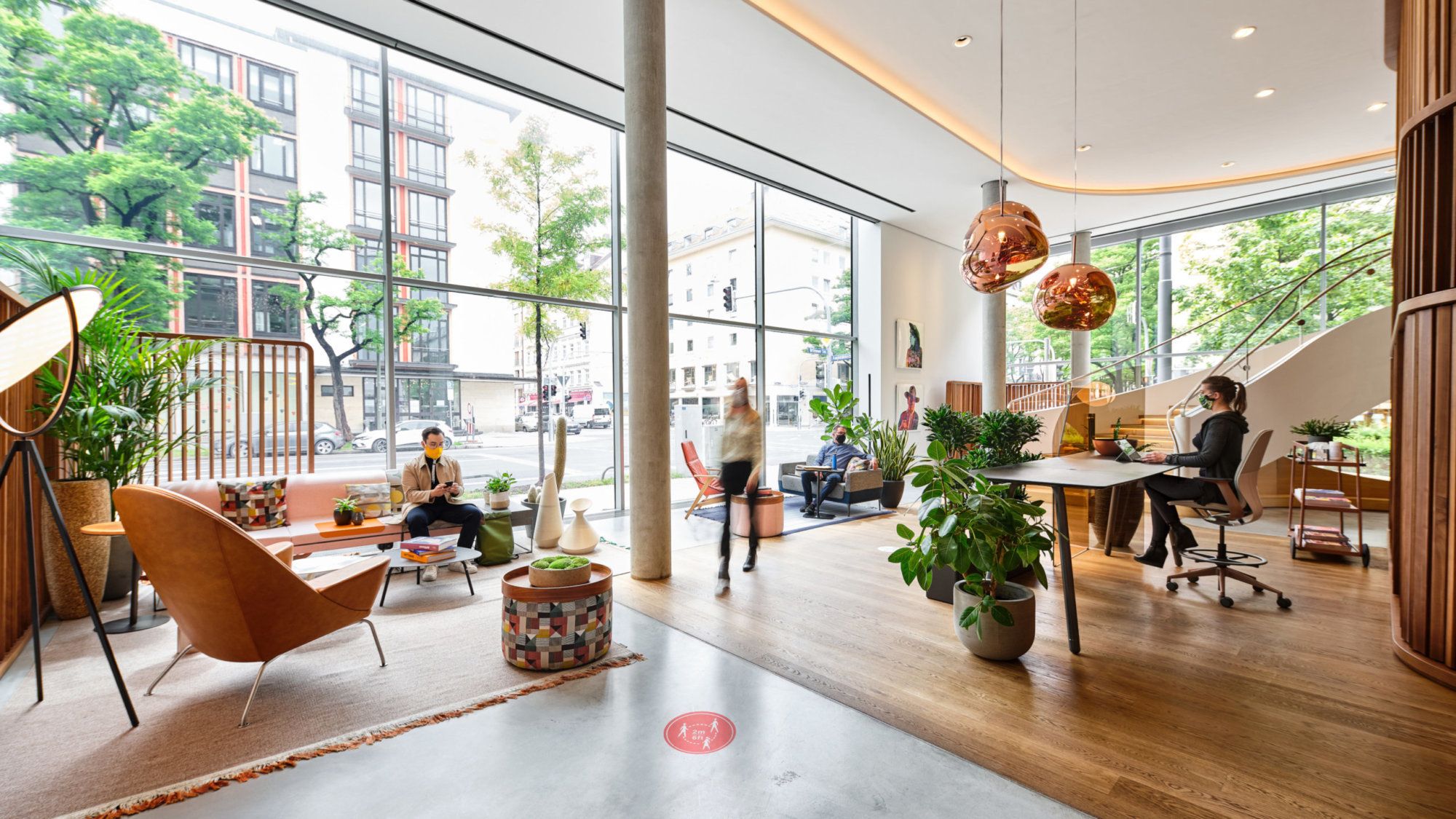
The future of the workplace: Five strategies to skip the status quo
So what is the future of work and the workplace? It is not a return to the status quo, and it is not an extreme solution driven by aggressive cost-cutting. It is a new approach: compelling for employees and smart for the business. Here are five strategies to get there, and what each one changes in your office.
Why full remote hits a ceiling
The work-from-home honeymoon is over, according to WKspace, whose global research shows that people reach a point of diminishing returns when working from home. Their research suggests that enjoyment, motivation and connection all begin to decline, and productivity levels off, after just five weeks of working from home.
As organisations learn more about the long-term realities of extreme remote strategies, they are confirming what they suspected: the workplace is essential to drive growth, build culture and fuel innovation.
That does not mean returning to the office of the past. Leading organisations are rethinking the role of the workplace, not how to eliminate it but how to make it a stronger competitive advantage. Apple, Google and others have stated their intent to bring people back while also adopting sensible work-from-home strategies.
1. Expand the ecosystem of places
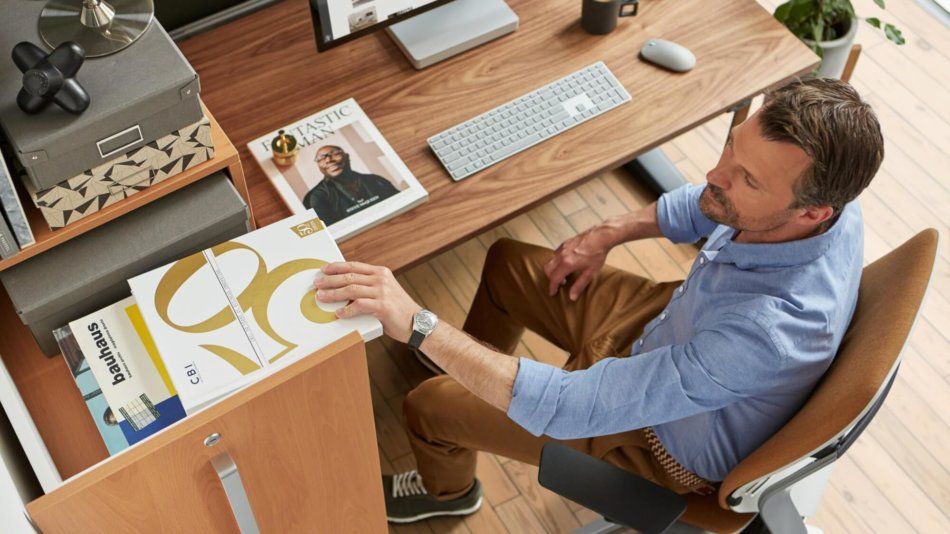
Everyone's sense of what makes them comfortable is different and changes over time. That argues for an expanded ecosystem of places, the workplace, home and potential satellite spaces, from which people choose where and how to work.
Choice creates a sense of control. The Steelcase Global Report: Engagement and the Global Workplace found that employees who had more control over their experience at work were more satisfied with their workplace and more highly engaged.
To attract and retain talent, you need a diversified workplace strategy. People need spaces that support different types of work: focus, collaboration, socialisation, learning and rejuvenation.
2. Shift from fixed to fluid
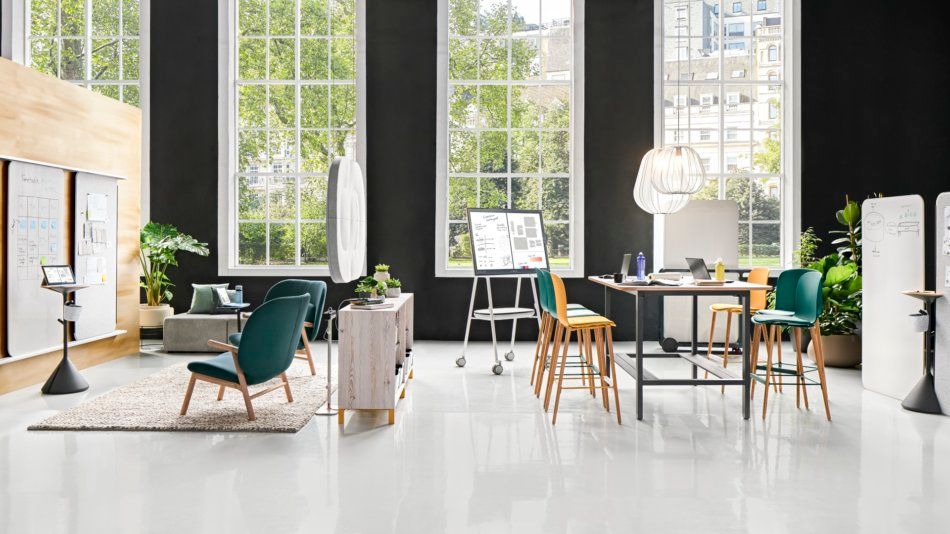
Work environments designed with fixed architecture and furniture need to become more fluid. Nobody knows what the future holds, and disruption is a given.
Organisations need spaces that adjust easily and quickly, not just by facilities teams but by employees themselves, so people can adapt a space to the work they need to do.
3. Focus on me within we
The workplace has to balance the growing need for teamwork, the we, with the needs of the individual, the me. Many people already struggled with open-plan offices that emphasised group work at the expense of concentration.
Teams lean on the office for the collaborative work that is hardest to do apart, so people need to shift quickly between working alone and together. They also need more places to focus and to recharge.
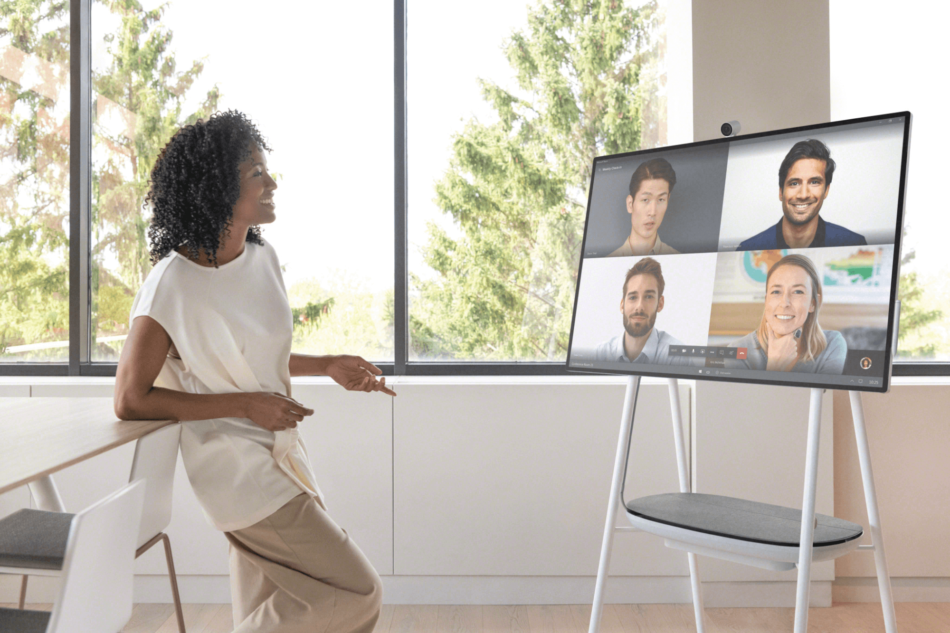
Video calls are more frequent because distributed work continues. That means more spaces to take calls without disrupting coworkers.
4. Make every collaboration space high performing
People used to have two main destinations for collaboration: open spaces with a coffee shop vibe, and traditional enclosed meeting rooms. Both need rethinking.
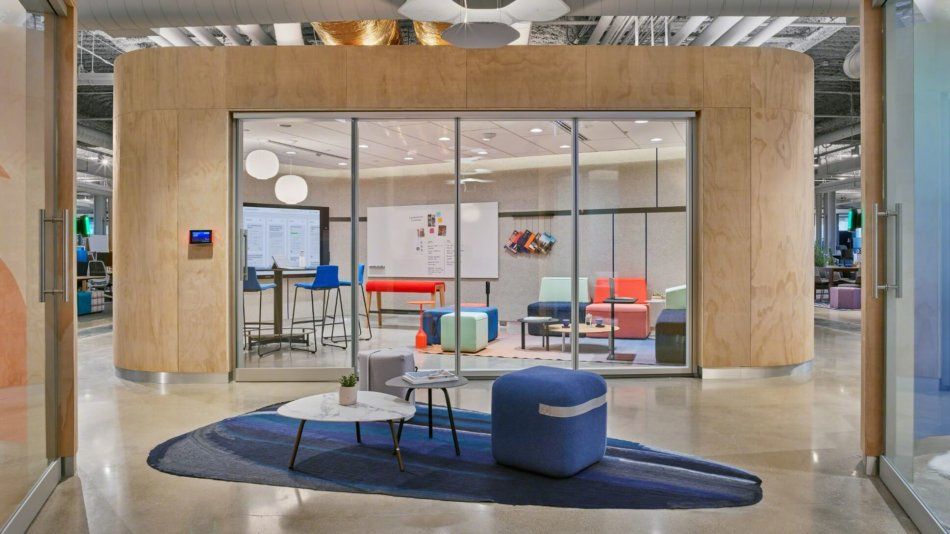
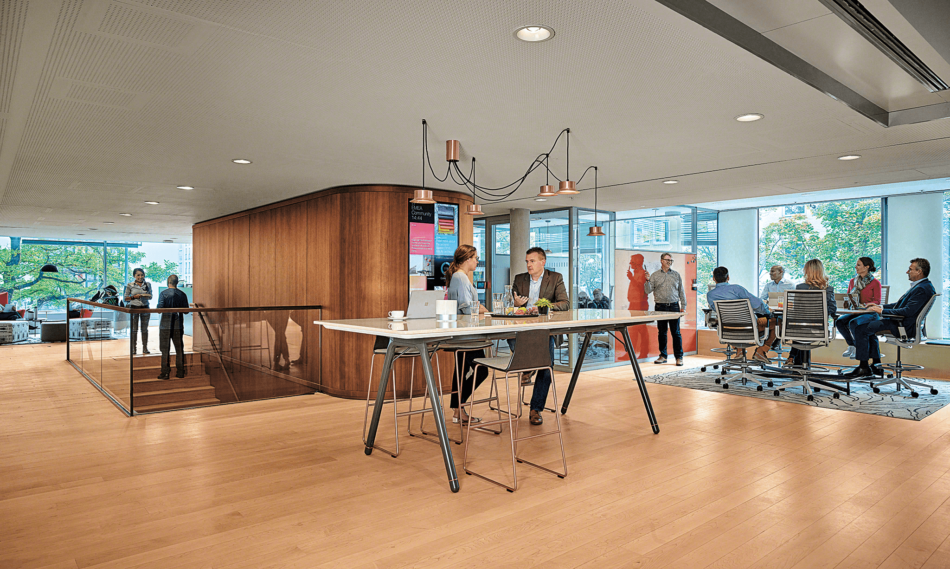
Some of the most inspiring spaces on corporate campuses often sat empty, because people gravitated to places where they could actually get work done. Traditional conference rooms may have had whiteboards or technology, but they rarely fostered creative thinking. Collaboration spaces, open and enclosed, should offer:
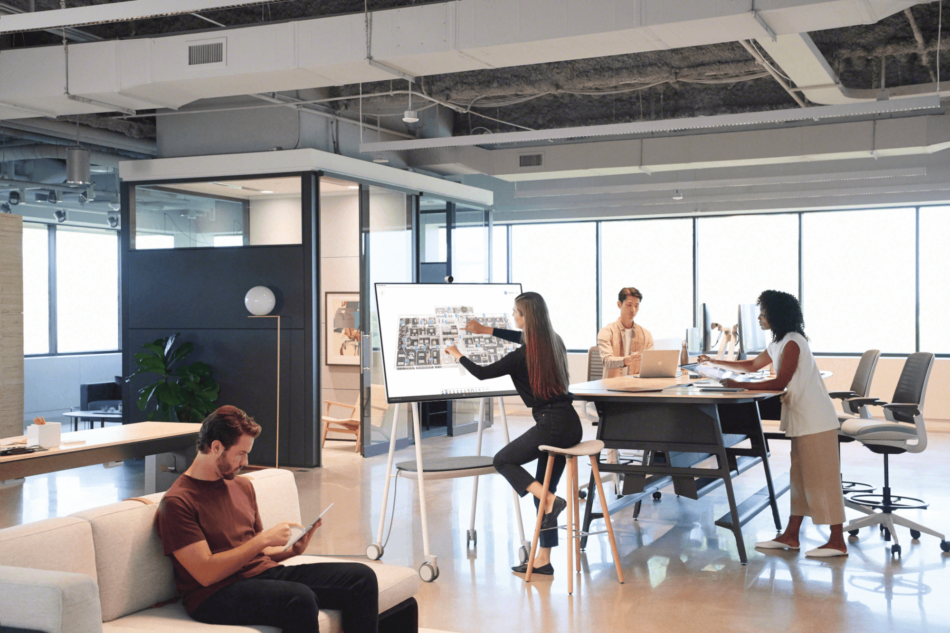
- A range of postures, so people can sit, perch or stand as the work demands
- Easy access to power at every seat
- Control over the level of privacy, while still feeling relaxed and comfortable
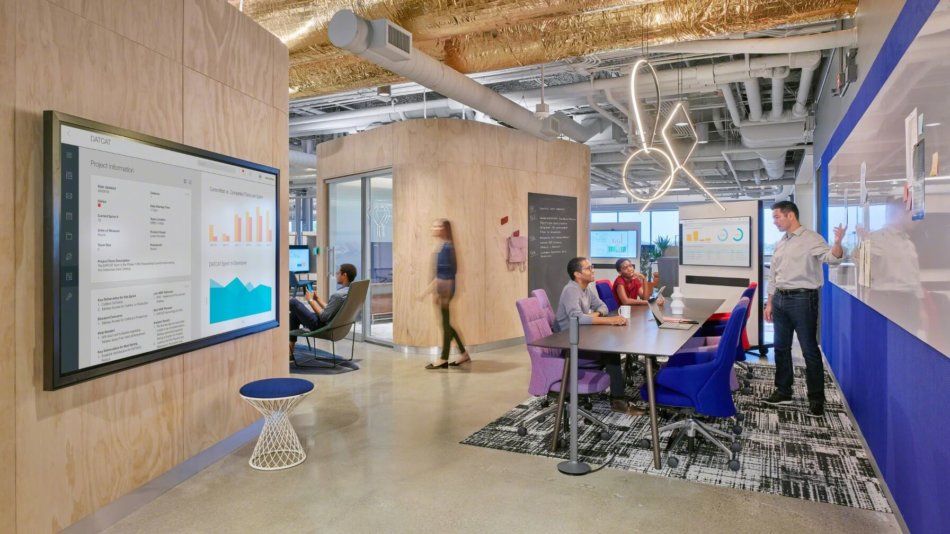
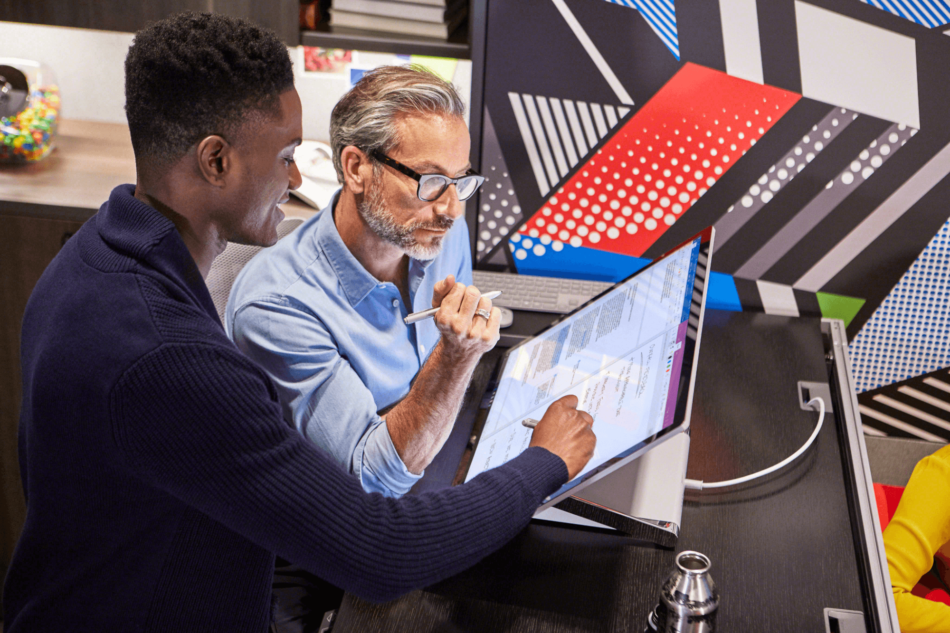
- Tools for idea generation, such as whiteboards and large-scale collaboration technology
- A way to include remote teammates as full participants
5. Merge the digital and physical
A crash course in remote work pushed people to improve their digital skills. Now the physical and digital need to come together in spaces that support co-located and distance work at once.
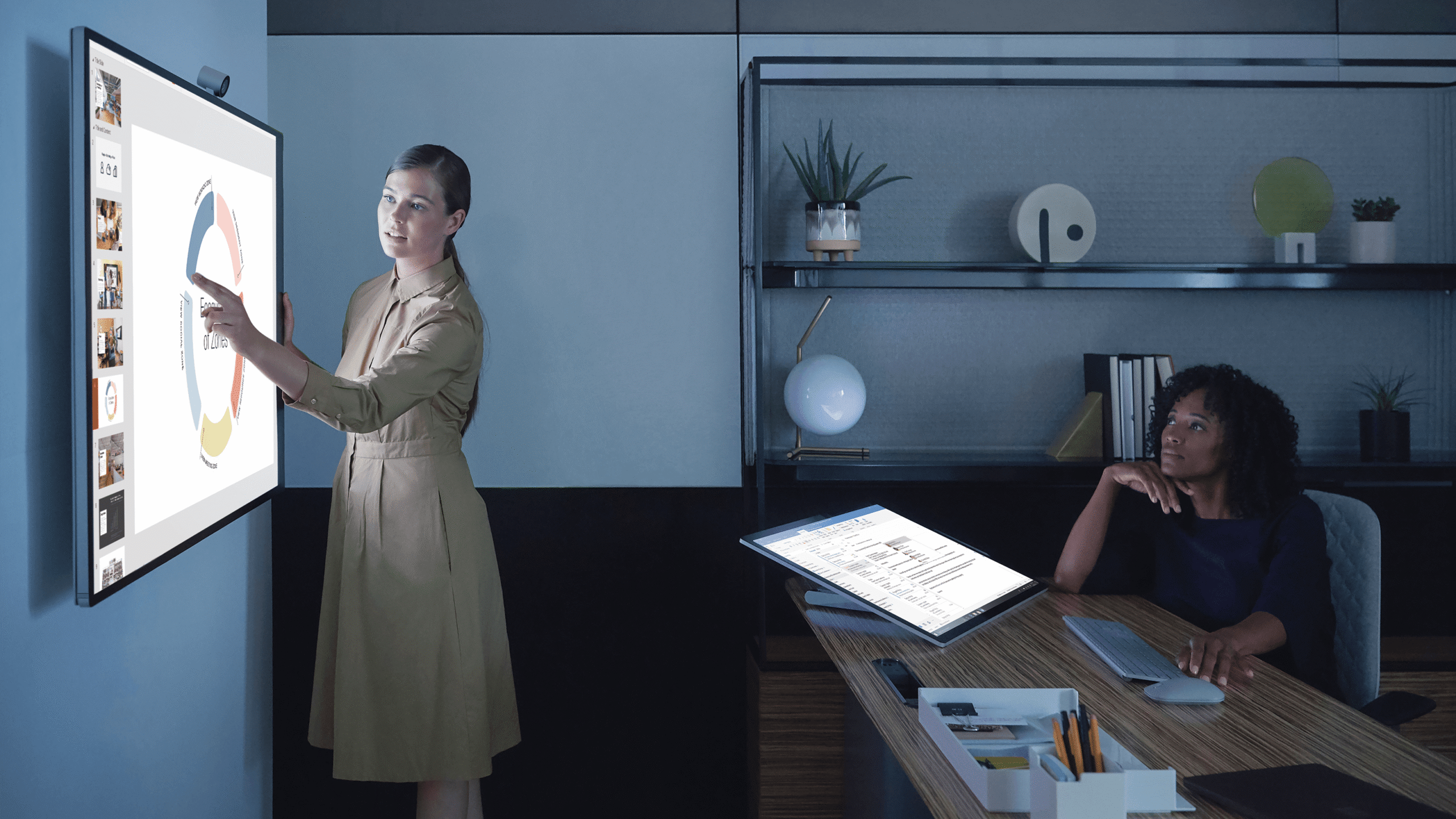
As teams embrace video-based collaboration, large-scale collaboration devices create a more inclusive experience for people and their content, whether they share a room or work apart.
Embedded layers of smart and connected technology can also create a more touchless experience at work. Occupancy data supports better decisions about density and helps you see when the workplace needs to change.
Where to start
These strategies come from decades of research, but they land differently in every organisation. Start with the question that exposes the gap fastest: which types of work does your office genuinely support, and which does it quietly make harder?
To know everything about tomorrow's world of work, we recommend the well-documented 306 magazine from our partner Steelcase. Pictures and source article: Steelcase.
Scroll or drag
Frequently asked questions
WKspace research shows people reach a point of diminishing returns: enjoyment, motivation and connection decline and productivity levels off after about five weeks of working from home.
It is a mix of work locations, the workplace, home and potential satellite spaces, that lets people choose where and how to work based on their needs.
Yes. The Steelcase Global Report: Engagement and the Global Workplace found that employees with more control over their experience at work were more satisfied and more highly engaged.
A range of postures, easy access to power, control over privacy and tools for idea generation, including technology that includes remote teammates.
Ready to move past the status quo?
Contact Alternativ to translate these strategies into your own floor plan.