
Buying office space outside Brussels: Why SMEs are looking beyond the city centre
If your lease is up and your team is half remote, the question is no longer only how much space you need. It is whether you should rent it or own it, and where. Eric Bastin, CEO of Growners, makes the case for offices on the outskirts, and for the office as a place to socialise as well as work.
The model: recycling offices instead of building new ones
Growners is a specialist real estate dealer located at Lasne in Walloon Brabant. Its core business consists of buying office buildings and warehouses that are at least 10 years old and located on the outskirts of Brussels, because mobility is at the heart of their thinking.
The company then recycles or subdivides these properties into a wide range of lots ranging from 50 m2 to 8,000 m2, before putting them back on the market to be sold or leased.
The premise is simple: becoming the owner of your premises is part of the offices of the future.
Will homeworking replace the office?
Eric Bastin does not think so. Having to work from home is one thing, but deliberate homeworking, a la carte, that people actually choose to do, is quite another. They are apples and pears, you simply cannot compare the two.
Numerous surveys have shown that people will gradually return to work in the office. In fact, many homeworkers are looking forward to getting back so that they can avoid feeling isolated. They want face-to-face exchanges with their workmates and to feel appreciated by management.
The health crisis had one unexpected positive effect, he adds: it revealed the extent to which the office is somewhere to socialise. It needs to stay that way.
Mobility: the argument for the outskirts
Commuting takes up a large part of the day, and Bastin is blunt about the consequence. Electing to set up a business in a congested city centre is crazy.
That is why 90% of the properties Growners offers for sale are located on the outskirts of town, usually close to a station, cycle route or the Brussels ring road. Being out of town is a plus for mobility.
For an employer, that turns the commute from an obstacle into a non-issue.
Bringing people back is a design challenge
Some surveys talk about workers making a gradual return to offices, and Bastin sees that as one of the most significant challenges businesses face. We will need to totally change the way the offices of yesterday once looked into an attractive working environment that is actually a place where normal life goes on.
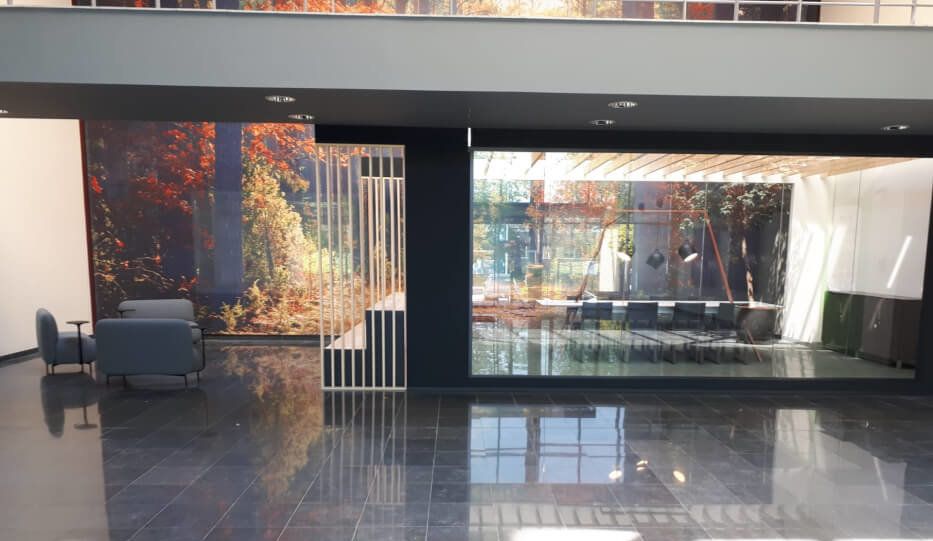
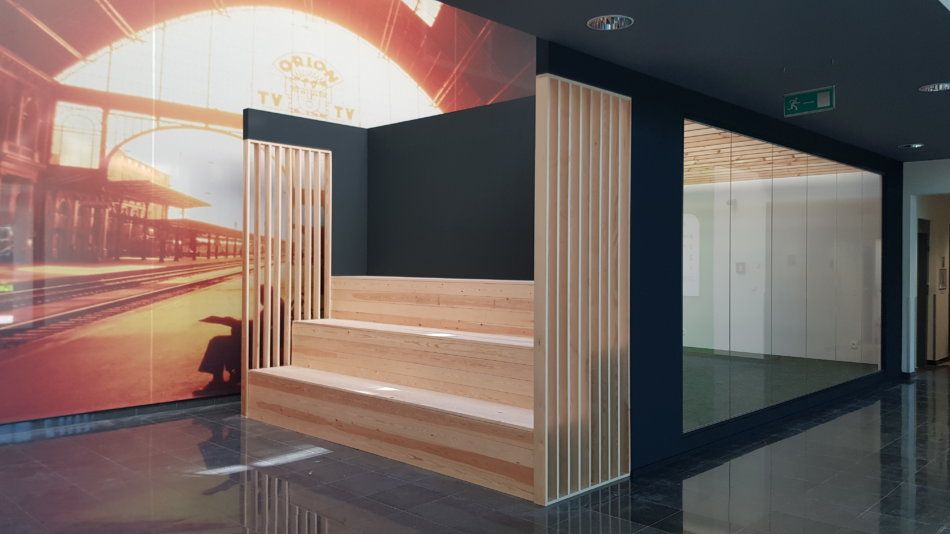
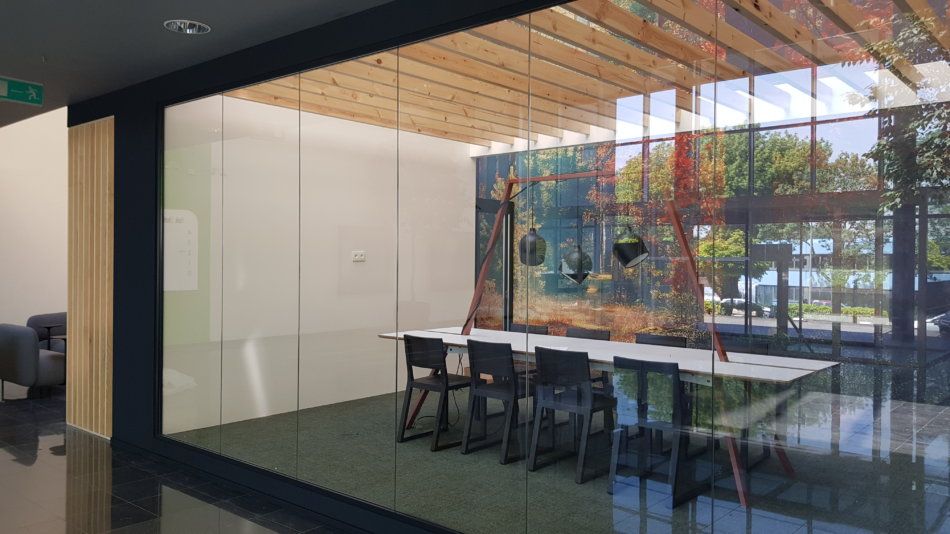
That is why Growners commissioned Alternativ to create a show unit in one of its buildings in Diegem. Set up in an internal area as big as a station concourse, it shows clients that company offices can be at the very heart of wellbeing in the workplace, provided the right attention is paid to design and fit-out.
A well-located building does not bring anyone back on its own. What happens inside it does.
The financial case for ownership
Belgians may love their bricks and mortar, but they are not necessarily keen to invest in the tertiary sector. Covid-19, says Bastin, has inescapably prompted companies to ask themselves about the future of the office.
At Growners we pay great attention to the location of offices, and hence the ease of accessing them, and offer them at prices that are highly competitive. Recycling buildings means they cost a lot less than new premises in the city centre. Spaces are tailored to fit demand, so clients can even consider decentralising their work units.
The target audience is specific: scale-up companies and SMEs employing 2 to 100 people, looking to purchase an office that can be financed by their own business. This enables them to increase their property assets. Our business model means an SME can become the owner of its own offices at a level equivalent to repaying a bank loan. It is a win-win situation, concludes Eric Bastin.
Questions to answer before you buy
Ownership suits some organisations and traps others. Work through these first:
- How many square metres do you actually occupy on a busy day, now that part of the week is remote?
- Is the building reachable by train, bike and car, or only by car?
- Can the floor plate be subdivided or extended as your headcount changes?
- What will the fit-out cost on top of the purchase, including technical works?
Scroll or drag
Frequently asked questions
Recycled buildings on the outskirts cost considerably less than new premises in the city centre, and locations near a station, cycle route or the ring road are easier for staff to reach.
According to Growners, yes. Their model lets an SME become the owner of its offices at a level equivalent to repaying a bank loan, which also builds property assets.
Eric Bastin does not think so. He points to surveys showing a gradual return, and to the office as the place where people socialise.
Location and adaptability. Growners buys buildings at least 10 years old near Brussels and subdivides them into lots from 50 m2 to 8,000 m2.
Found the right building and wondering what to do inside it?
Contact Alternativ to turn a shell into a workplace people choose.